
pluripotent stem cell (PSC)-derived therapies
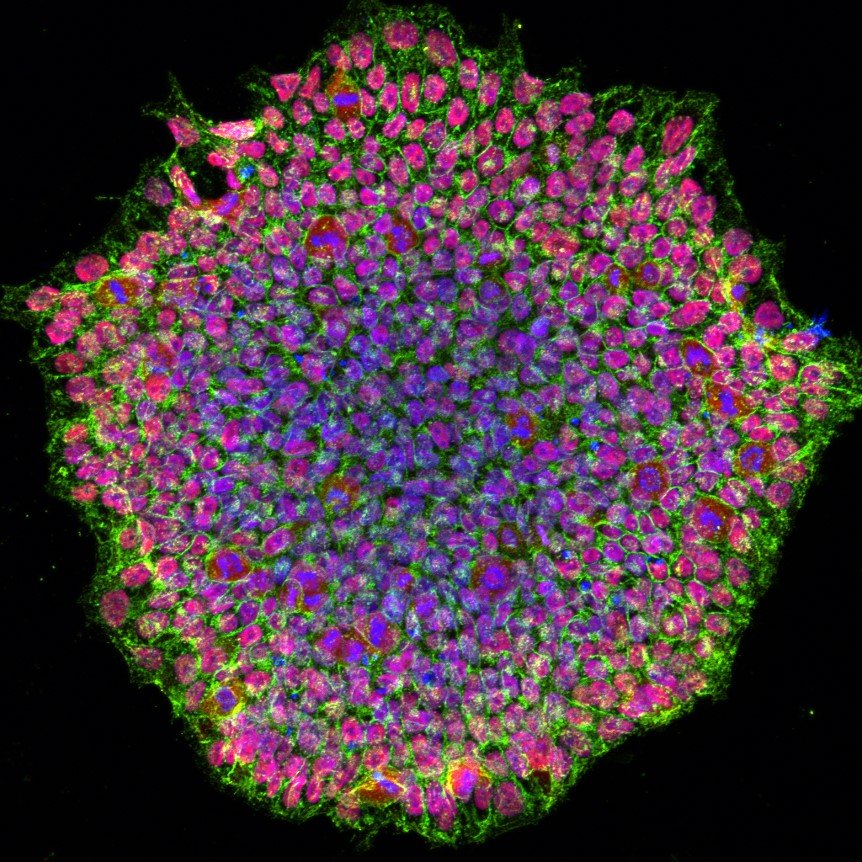
This lineup at ISSCR 2026 provides comprehensive coverage of the pluripotent stem cell (PSC) -derived cell therapy pipeline, from preclinical research, clinical translation, and commercial manufacturing, along with enabling technologies to drive the next breakthrough. Register for ISSCR 2026 to hear these presentations.
Roger A. Barker, PhD, MRCP
-
Roger A. Barker is a clinician–scientist best known for his work on Parkinson’s disease and movement disorders. His research spans disease mechanisms, biomarkers, and the clinical translation of cell-based therapies, including stem cell–derived dopaminergic neuron transplantation for Parkinson’s disease.
Faranak Fattahi, PhD
University of California, San Francisco, USA; ISSCR 2026 Early Career Impact Award Honorable Mention recipient
Presenting in Modeling Cellular Complexity for Tissue Therapies
-
The Fattahi laboratory develops human pluripotent stem cell-based models of the peripheral nervous system (PNS), including the enteric nervous system in health and disease. Her work provides insight into the developmental origins of gastrointestinal and neurodevelopmental disorders. Dr. Fattahi was recently recognized with an Honorable Mention distinction for the ISSCR 2026 Early Career Impact Award.
Michael A. Laflamme, MD, PhD
-
Michael A. Laflamme is a leading figure in the development of pluripotent stem cell–derived cardiomyocyte therapies for heart disease. His work focuses on producing, maturing, and engrafting human cardiomyocytes to repair injured myocardium, with strong translational impact and involvement in multiple companies advancing cardiac cell therapies.
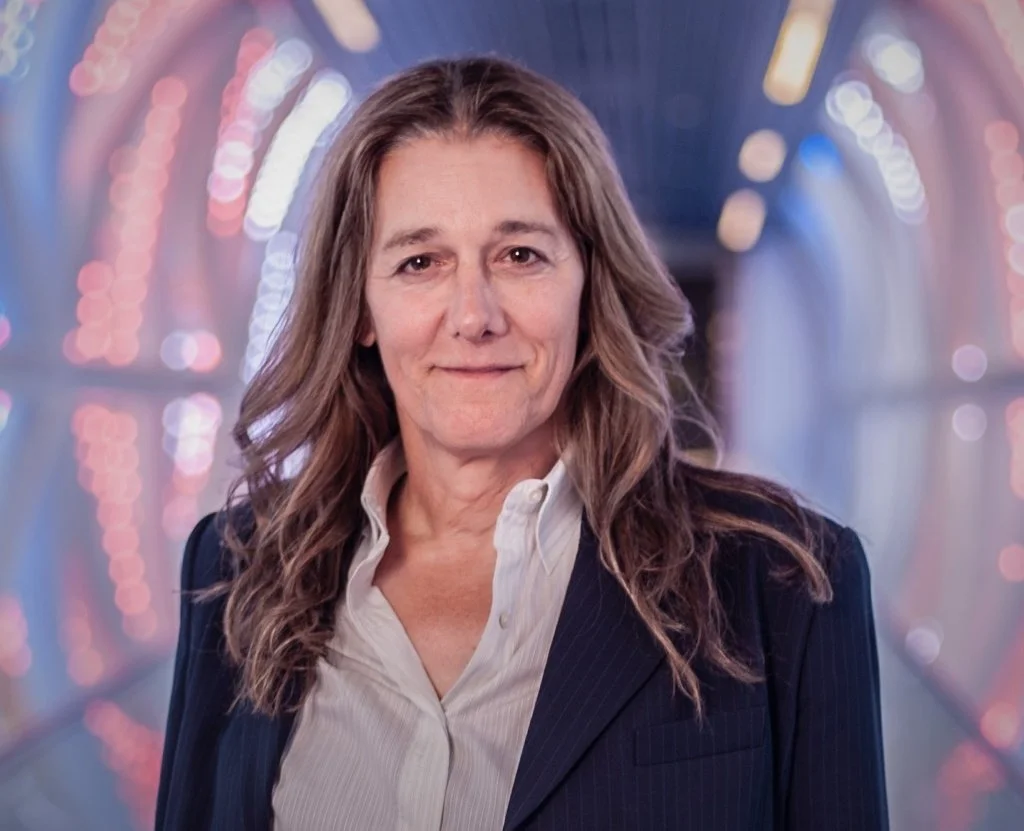
Martine Rothblatt, JD, PhD
-
Martine Rothblatt is a biotech entrepreneur driving the development of organ manufacturing technologies to address transplant shortages. Through United Therapeutics, her work advances xenotransplantation and bioengineered organs—particularly genetically modified pig organs for human transplantation—bridging industrial innovation, regulatory strategy, and regenerative medicine at scale.
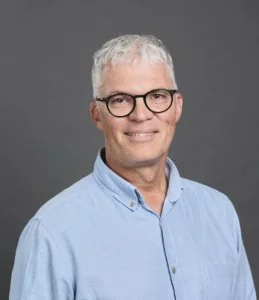
Guy Sauvageau, PhD
-
Guy Sauvageau is a leading stem cell biologist whose work centers on the regulation and ex vivo expansion of hematopoietic stem cells. His discoveries have had strong clinical relevance, enabling improved stem cell transplantation strategies and advancing translation in hematologic therapies.
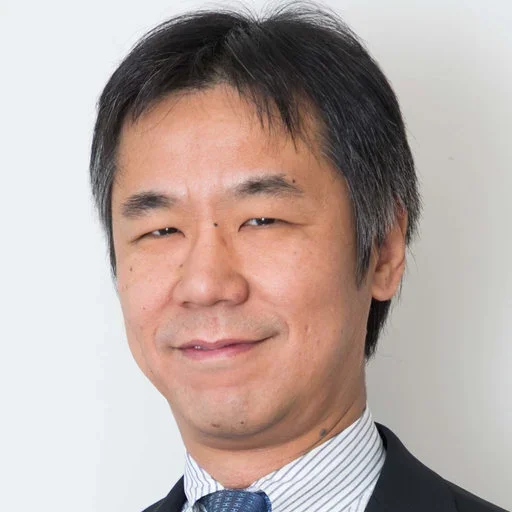
Nobukatsu Sawamoto, MD, PhD
Kyoto University, Japan
Presenting in Modulating the Tissue Niche for Therapeutic Success
-
Nobukatsu Sawamoto is a physician–scientist studying mechanisms of neural repair and functional recovery in the injured and diseased brain. His work integrates neuroimaging, clinical neurology, and regenerative approaches to understand how neural circuits reorganize and how repair processes can be enhanced after damage.
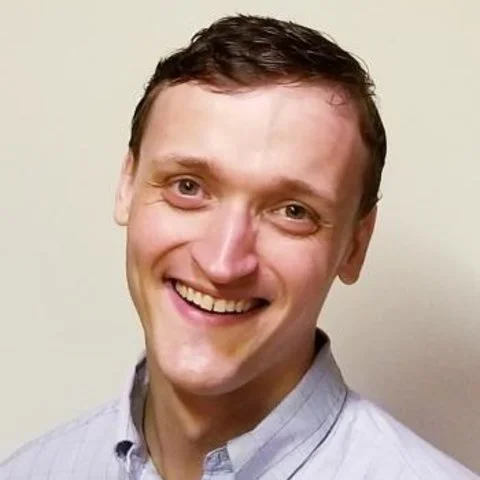
Mark Skylar-Scott, PhD
Stanford University, USA
Presenting in Biomanufacturing Stem Cell Therapies
-
Dr. Skylar-Scott's lab develops integrative technologies combining stem cell engineering, 3D bioprinting, and tissue vascularization to address cardiac tissue engineering at whole-organ scale. His lab has pioneered methods for bioprinting organ building blocks composed of multicellular spheroids and organoids, developing wholly-cellular bioinks for billion cell-scale organ engineering. The lab has demonstrated orthogonally induced differentiation of stem cells to generate patterned vascularized tissues and cortical organoids, bioprinting human induced pluripotent stem cell inks without extracellular matrix to generate layered neural tissues.
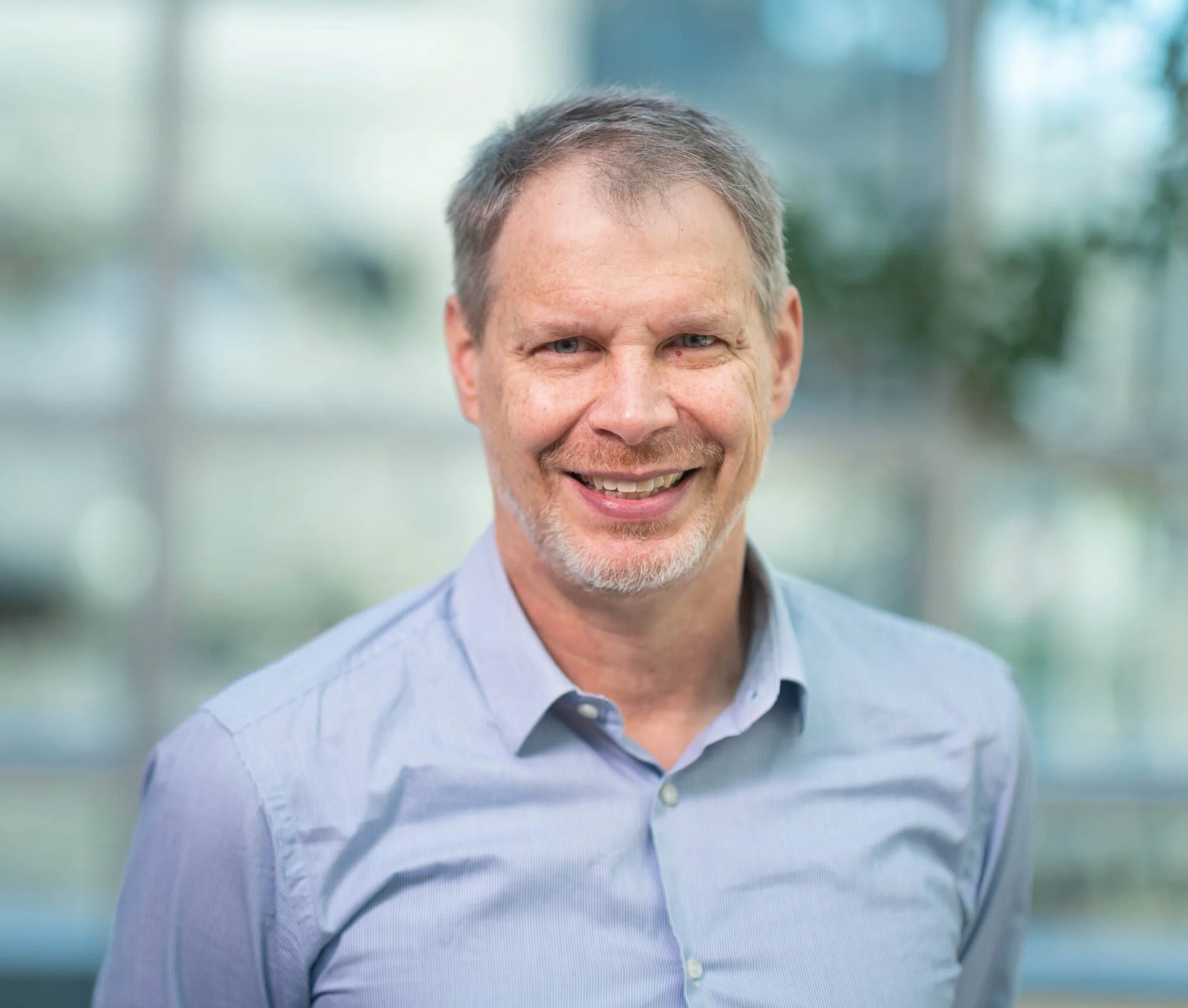
Peter Zandstra, PhD, FRSC, PEng
The University of British Columbia, Canada
Presenting in Engineering Cell Fate in Biological Systems
-
Dr. Zandstra's lab studies how individual cells form complex tissues and organs, focusing on multiscale interactions between cells and the influence of these interactions on internal regulatory control networks and the external microenvironment that shapes cell fate and functional tissue development. His team has developed hydrogel-based systems that provide serum-free, feeder-free thymic-like niches for hematopoietic stem cells to develop into T cells, creating the first feeder-free serum-free 3D system for T cell generation from pluripotent stem cell-derived cells. His research focuses on understanding how functional tissue forms from stem cells and applying this to design novel therapeutic technologies based on living cells, with particular focus on blood cell forming systems and biomanufacturing.