
plenary sessions
plenary I: presidential symposium
sponsored by: Centre for Research Application and Training in Embryology (CReATE) @ BRIC-inStem
This Presidential Symposium brings together internationally recognized pioneers to present advances in stem cell research and related technologies that are transforming our understanding of human biology and enabling new approaches to disease and therapy.
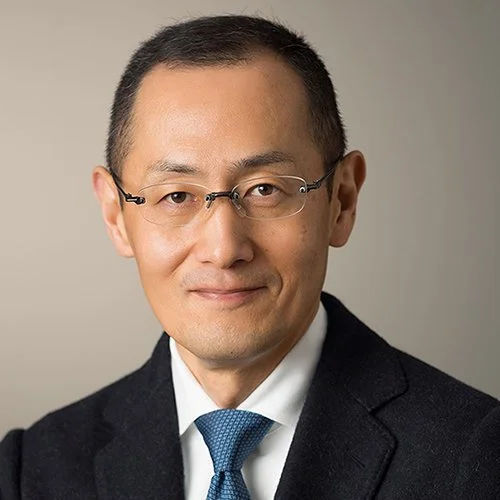
Shinya Yamanaka, MD, PhD
CiRA, Kyoto University and CiRA Foundation, Japan & Gladstone Institutes, USA
-
Shinya Yamanaka is a pioneering stem cell biologist best known for discovering induced pluripotent stem cells (iPSCs), which enable the reprogramming of adult cells to a pluripotent state. His work transformed regenerative medicine by providing a scalable platform for disease modeling, drug discovery, and cell-based therapies, with ongoing efforts to translate iPSC technologies into clinical applications.

Madeline Lancaster, PhD
Medical Research Council (MRC), UK
-
Madeline Lancaster is a founder of human brain organoid technology, transforming disease modeling and evolutionary neuroscience. Her innovations have made it possible to dissect disease mechanisms, evolutionary divergence, and cognitive function in vitro, revolutionizing experimental neuroscience.
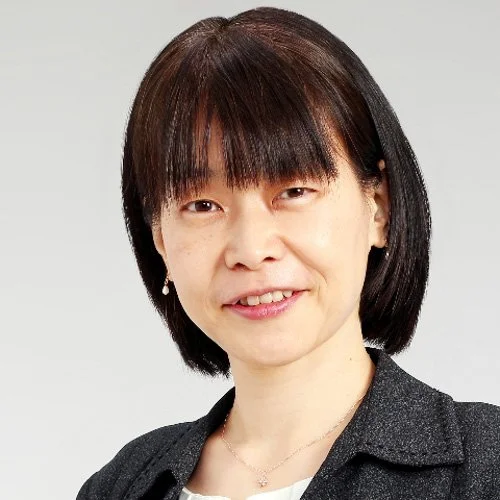
Yukiko S. Gotoh, PhD
University of Tokyo, Japan
-
Yukiko Gotoh is a leading expert in neural development and circuit formation. Her research has elucidated molecular mechanisms guiding neuronal subtype specification and connectivity during mammalian brain development, bridging fundamental principles of neurogenesis with insights into neurodevelopmental disorders.
Feng Zhang, PhD
Broad Institute of MIT and Harvard, USA
-
Feng Zhang is the architect of CRISPR-based genome engineering and next-generation gene modulation platforms. His work is driving next-generation therapeutic modalities that integrate genetic modulation with stem-cell-based neural repair.
plenary II: modeling early development
sponsored by: Burroughs Wellcome Fund
This session features breakthroughs in modeling early development, including both experimental and theoretical approaches, along with ethical perspectives.
Bianca M. Dumitrascu, PhD
Irving Institute for Cancer Dynamics, Columbia University, USA
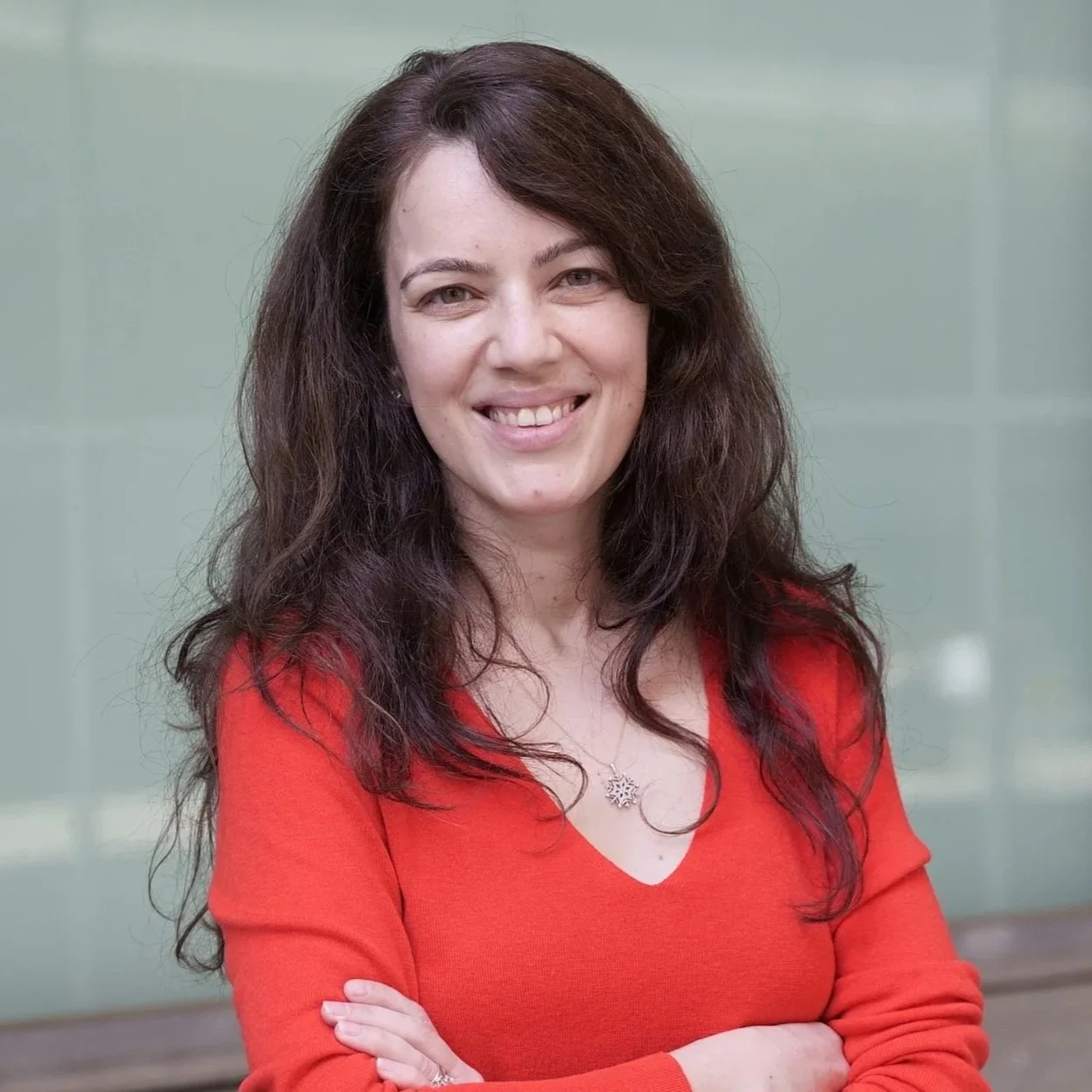
Elvan Böke, PhD
Centre for Genomic Regulation, Spain
-
Elvan Böke studies the unique cell biology of mammalian oocytes, with a focus on cytoplasmic organization, protein homeostasis, and stress resistance. Her work reveals how oocytes maintain long-term cellular integrity, offering insight into fertility, aging, and fundamental principles of cell protection.
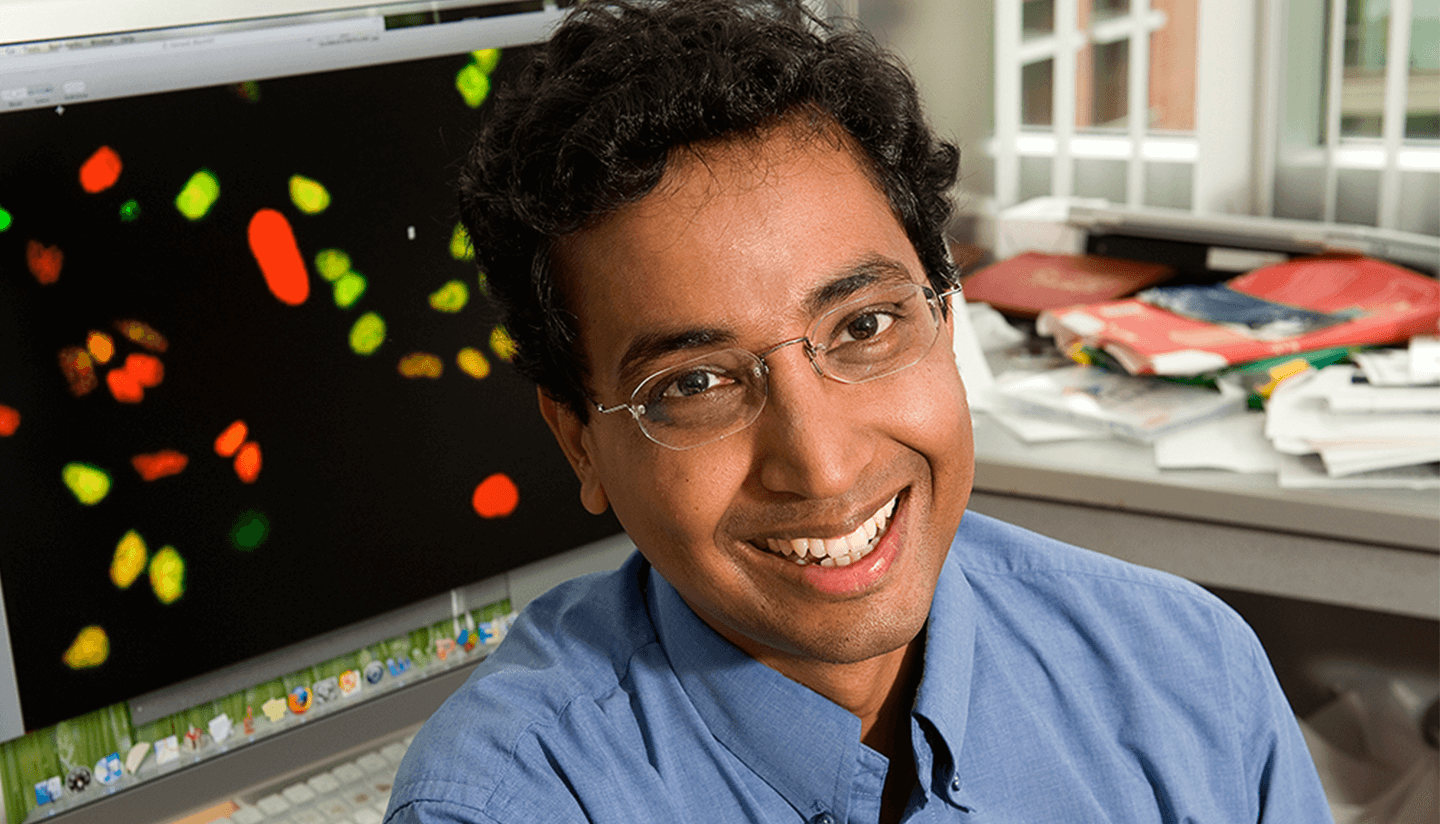
Sharad Ramanathan, PhD
Harvard University, USA
-
Sharad Ramanathan develops advanced stem cell–based models to study self-organization and pattern formation during early embryonic development. His work integrates quantitative experiments and theory to uncover the signaling and physical principles governing axis formation and tissue organization.
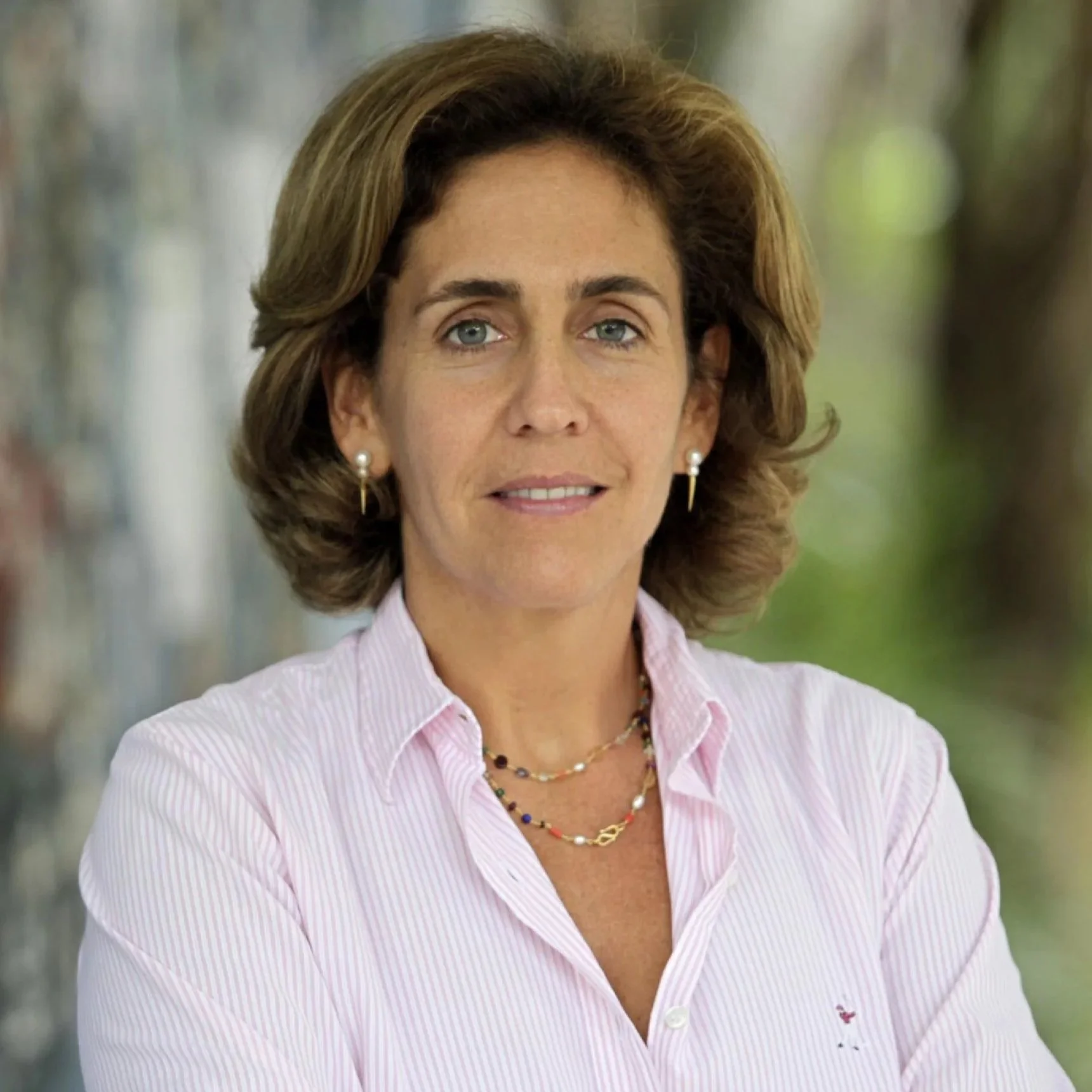
Lygia da Veiga Pereira, PhD
Universidade de São Paulo, Brazil
-
Lygia da Veiga Pereira is a leading stem cell geneticist known for advancing human pluripotent stem cell research in Brazil. Her work focuses on the genetic and epigenetic regulation of stem cells and their application to disease modeling, particularly using patient-derived iPSCs.
plenary III: tissue stem cells in physiology and disease
sponsored by: Stem Cell Reports
This session explores the mechanisms that drive tissue remodeling, adaptation, and regeneration in both physiological and disease contexts.
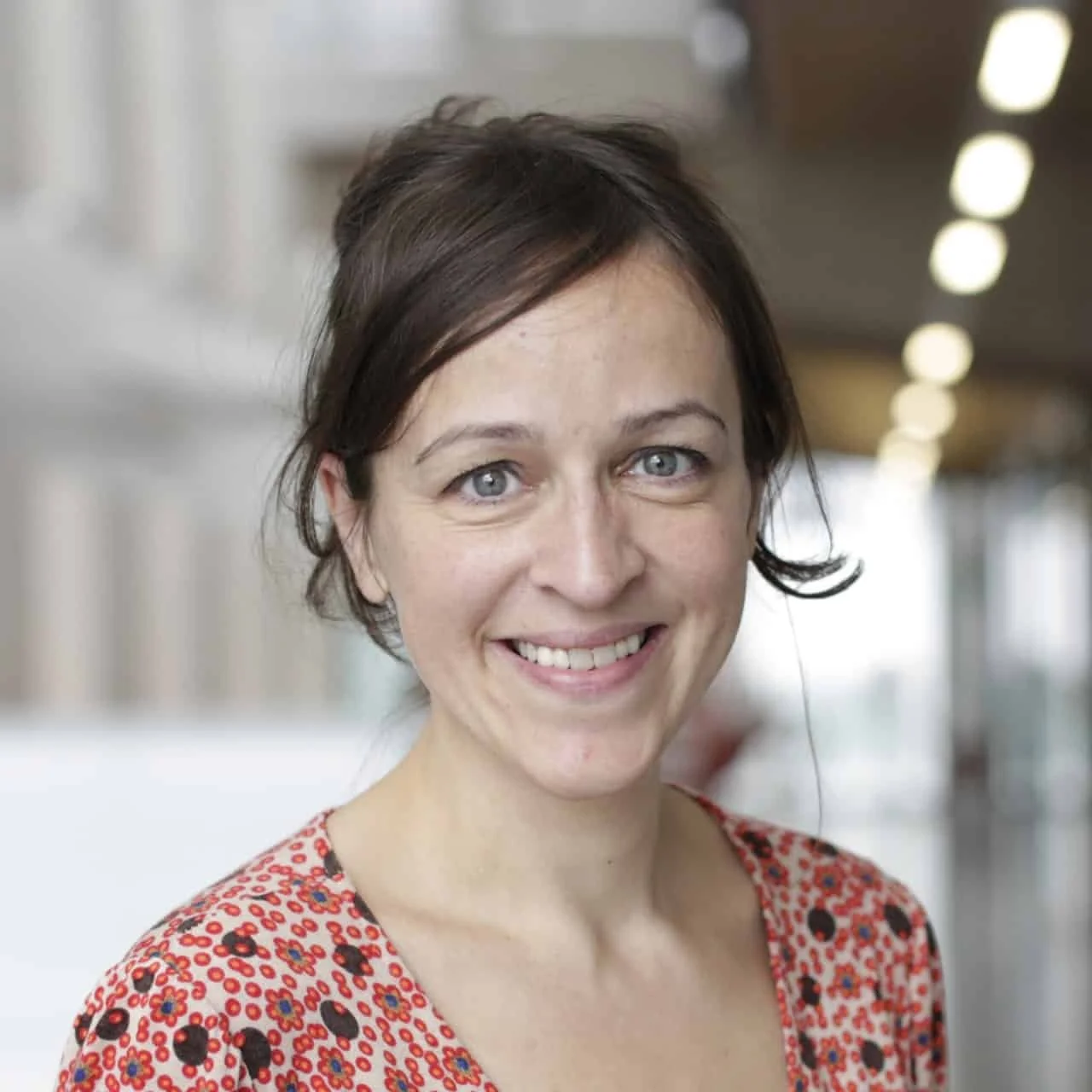
Irene Miguel-Aliaga, PhD
The Francis Crick Institute, UK
-
Irene Miguel-Aliaga studies organ physiology and tissue remodeling using Drosophila and mouse models. Her work focuses on how organs adapt structurally and functionally to developmental and metabolic changes, linking cellular remodeling to whole-organism physiology.
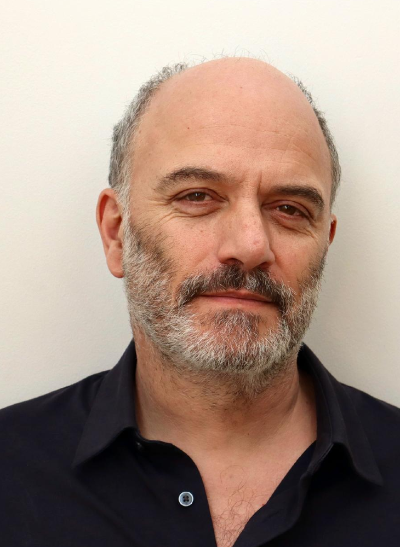
Miguel Concha, MD, PhD
Universidad de Chile, Chile
-
Miguel Concha studies regeneration using killifish as a comparative vertebrate model. His work examines how neural and tissue repair mechanisms operate across lifespan and species, providing insight into the principles that enable or limit regenerative capacity.
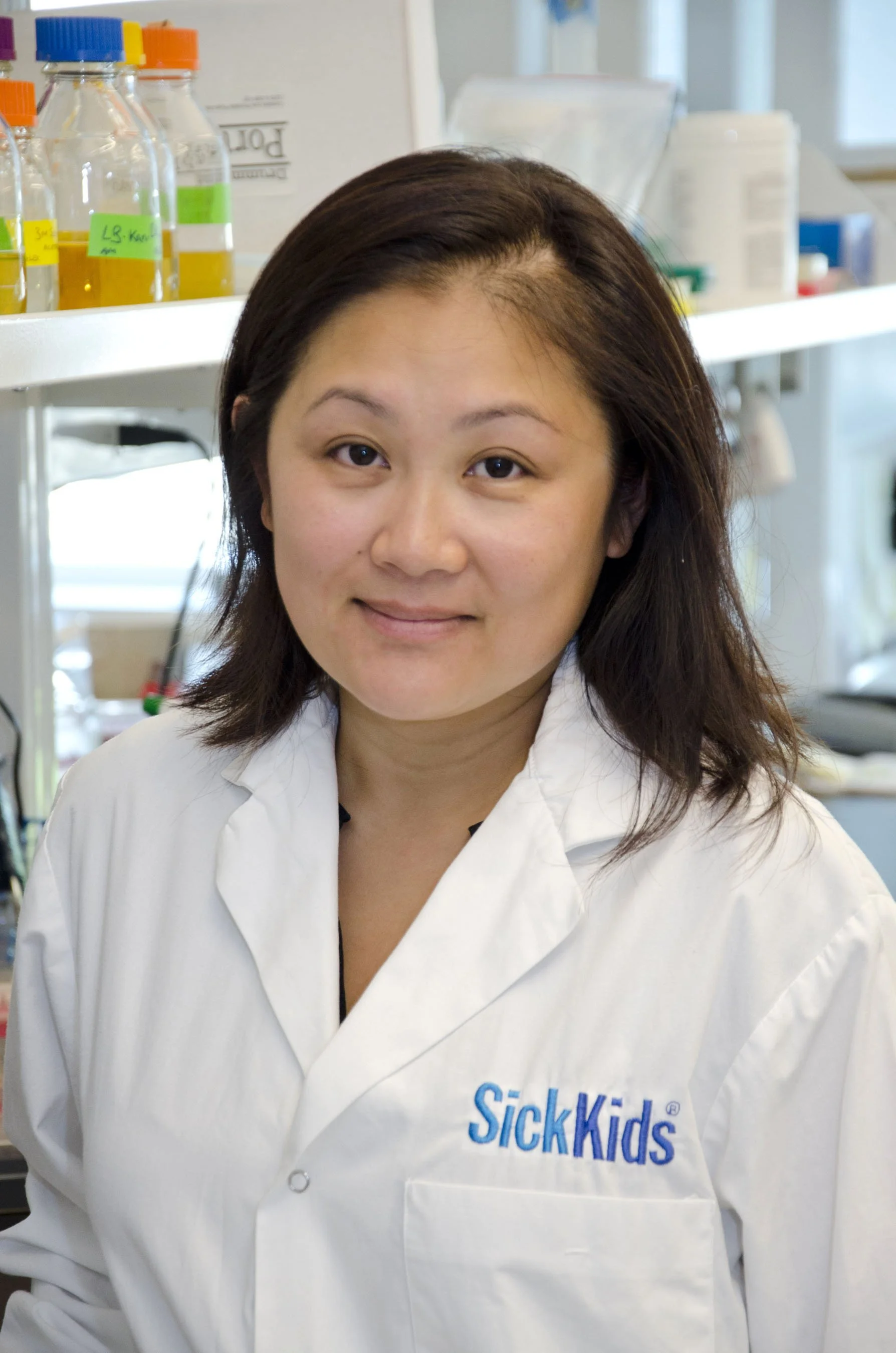
Amy Wong, PhD
The Hospital for Sick Children, Canada
-
Amy Wong develops engineered human lung tissue models to study pulmonary disease, with a particular focus on cystic fibrosis. Her work combines stem cell biology and bioengineering to create physiologically relevant platforms for disease modeling and therapeutic testing, alongside service as an early-career editor for Stem Cell Reports.
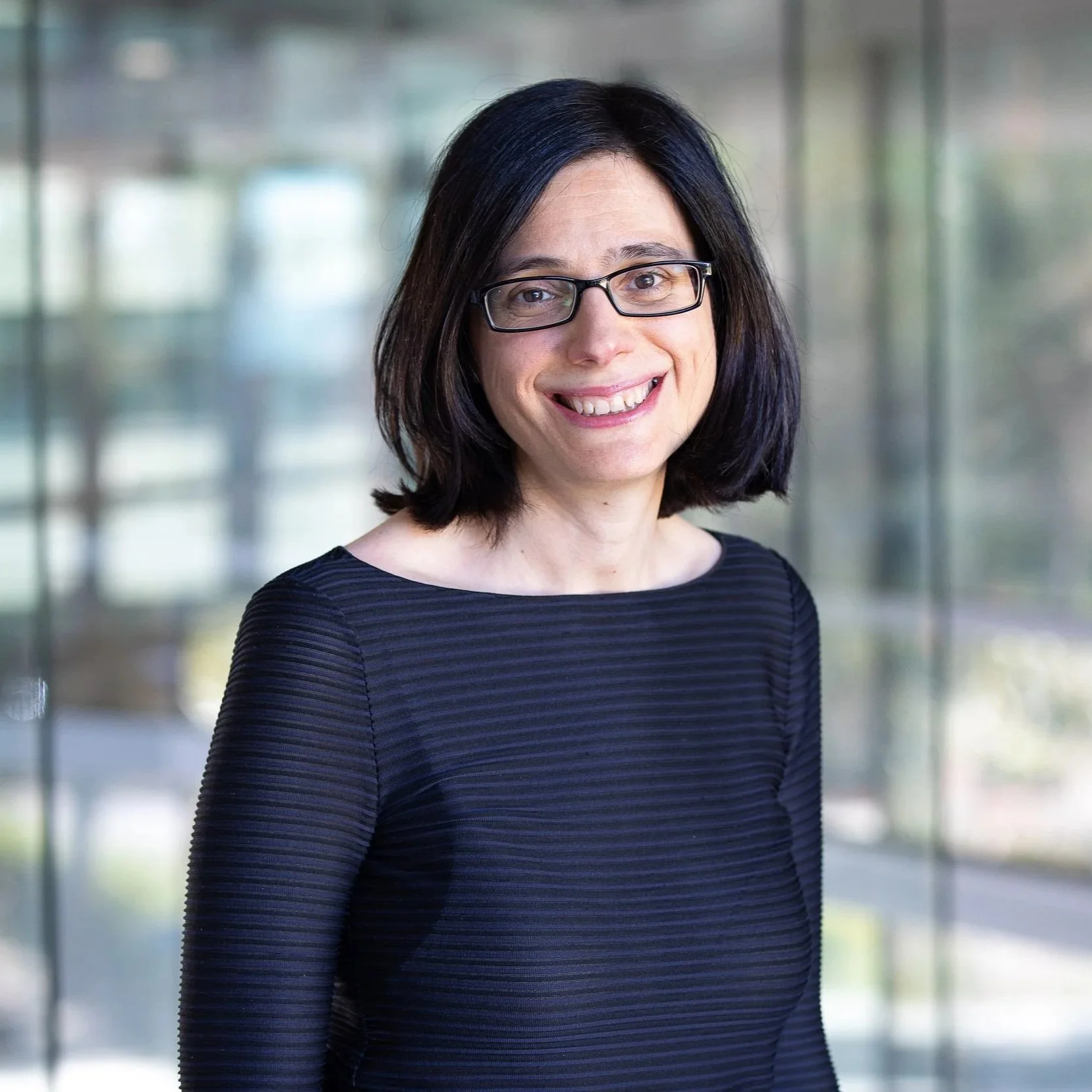
Aviv Regev, PhD
Genentech, USA
Keynote Speaker
-
Aviv Regev is a pioneer in applying computational and AI-driven approaches to understand cell identity and tissue organization. She was a founding leader of the Human Cell Atlas and her work integrates large-scale single-cell data, machine learning, and systems biology to map human biology and disease at cellular resolution.
plenary IV: clinical advances and the promise for patients
sponsored by: BlueRock Therapeutics
This session brings together scientists, clinicians, and industry leaders to share advances in cell therapy, gene editing, and transplantation, including a real-world patient perspective.
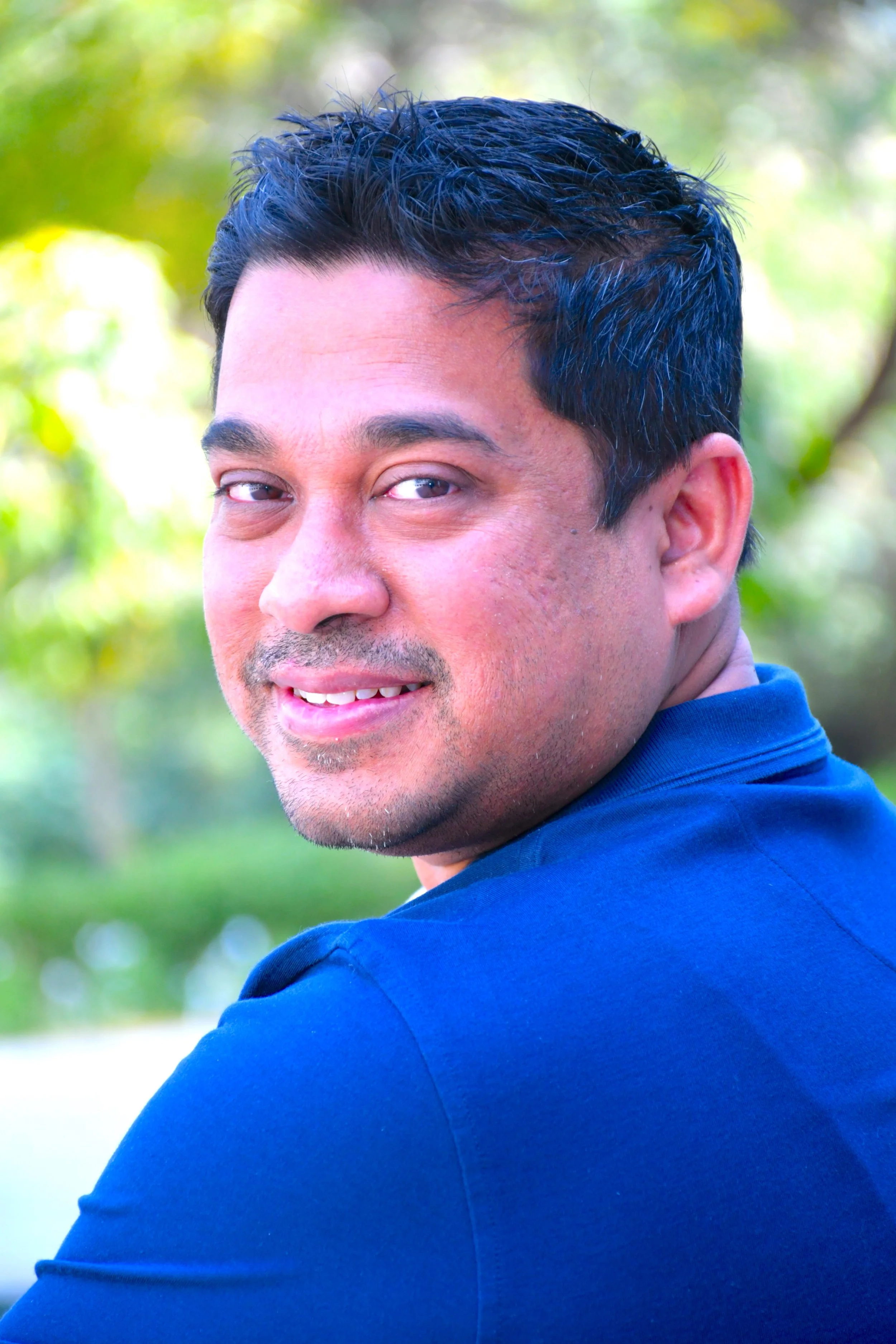
Debojyoti Chakraborty, PhD
CSIR-Institute of Genomics and Integrative Biology, India
-
Debojyoti Chakraborty develops CRISPR-based genome editing tools aimed at therapeutic applications. His work focuses on improving the precision, efficiency, and safety of gene editing platforms, supporting their translation into treatments for genetic and complex diseases.
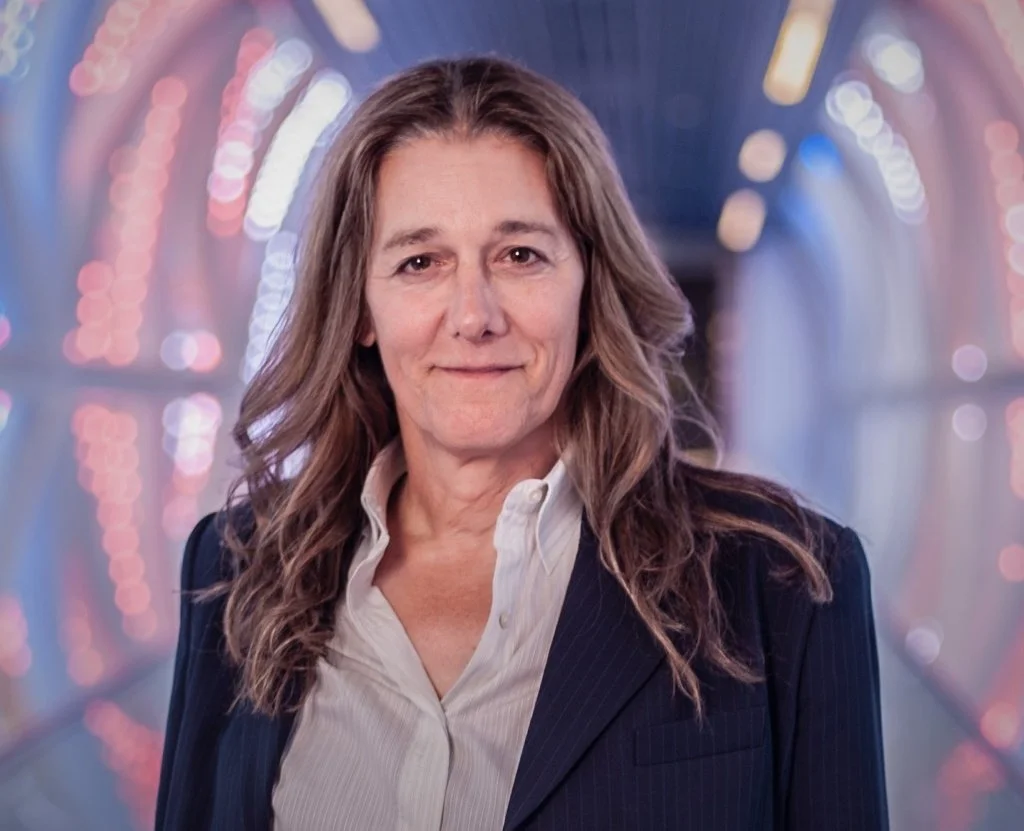
Martine Rothblatt, JD, PhD
United Therapeutics, USA
John McNeish Memorial Lecture
-
Martine Rothblatt is a biotech entrepreneur driving the development of organ manufacturing technologies to address transplant shortages. Through United Therapeutics, her work advances xenotransplantation and bioengineered organs—particularly genetically modified pig organs for human transplantation—bridging industrial innovation, regulatory strategy, and regenerative medicine at scale.
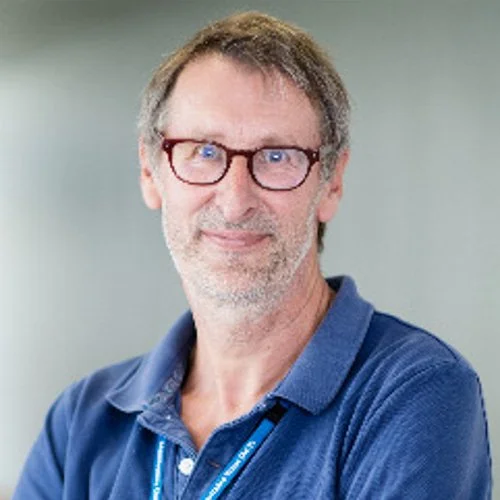
Roger A. Barker, PhD, MRCP
University of Cambridge, UK
-
Roger A. Barker is a clinician–scientist best known for his work on Parkinson’s disease and movement disorders. His research spans disease mechanisms, biomarkers, and the clinical translation of cell-based therapies, including stem cell–derived dopaminergic neuron transplantation for Parkinson’s disease.
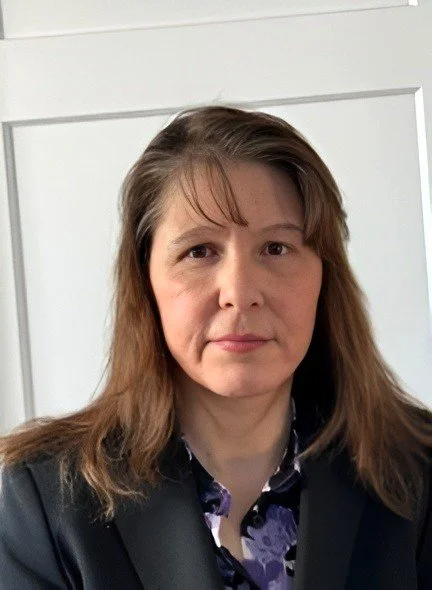
Mary Anna Pokerznik
Patient voice, Canada
-
Mary Anna Pokerznik is one of the original seven recipients of the Edmonton Protocol islet‑cell transplant at the University of Alberta, a procedure that transformed the treatment of Type 1 diabetes by enabling insulin production from transplanted donor cells. Two decades later, she continues to share her lived experience and helps to elevate patient perspectives in health care conversations.
plenary V: technologies to understand and engineer stem cell systems
This session highlights innovative technologies advancing stem cell biology including AI, imaging, organ-on-chips, and genome editing.
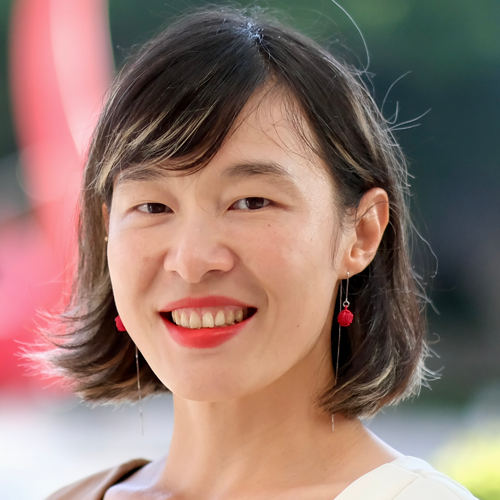
Angela Ruohao Wu, PhD
The Hong Kong University of Science and Technology, Hong Kong, China
-
Angela Wu develops microfluidic and organ-on-chip platforms to model human tissues and physiological systems. Her work integrates engineering and stem cell biology to create controllable, scalable in vitro models for studying development, disease mechanisms, and therapeutic responses.
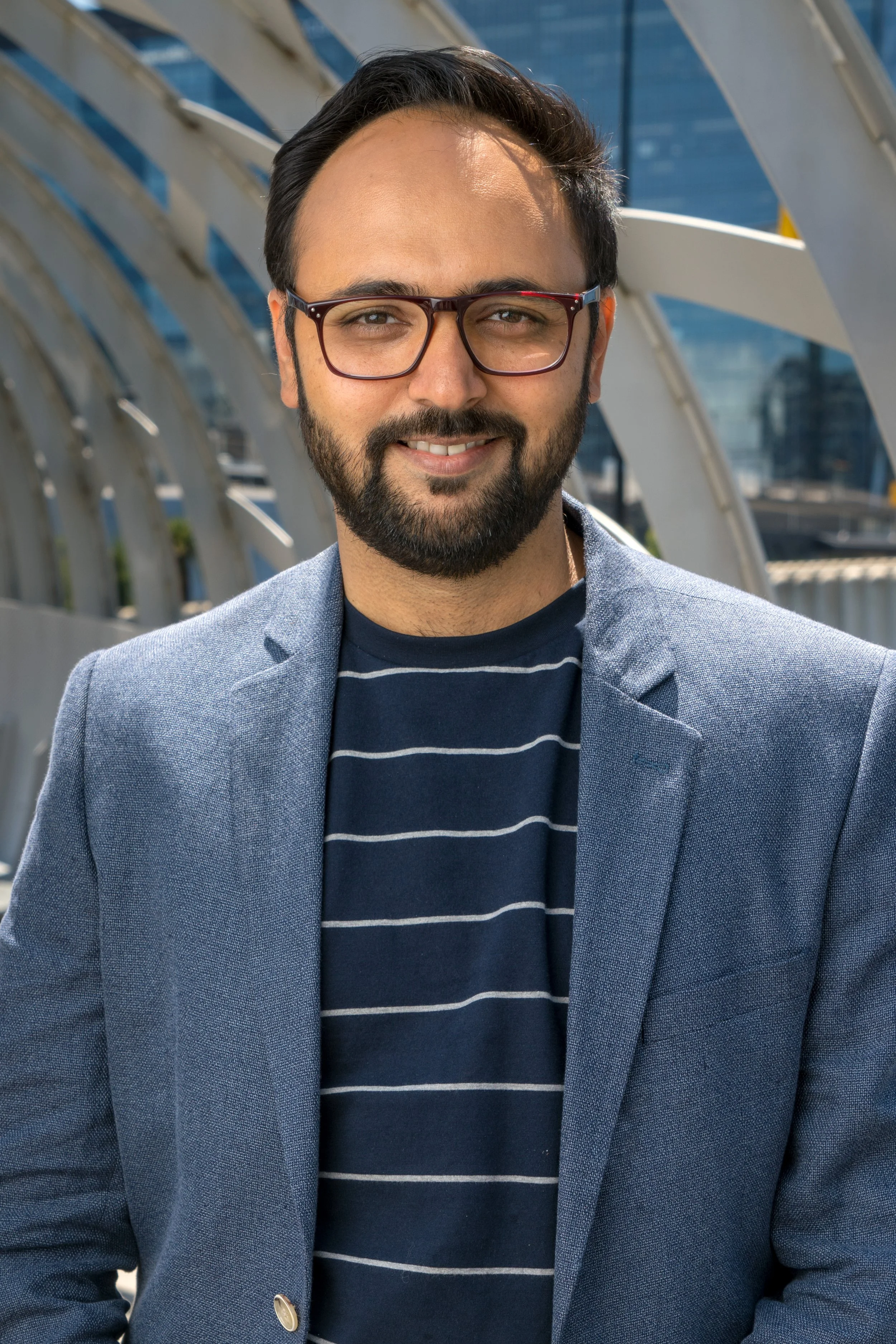
Shalin H. Naik, PhD
WEHI, Australia
-
Shalin Naik applies single-cell genomics to dissect immune cell diversity, development, and function. He is particularly known for developing and sharing new experimental and analytical tools that enable other researchers to more precisely interrogate immune systems at cellular resolution.
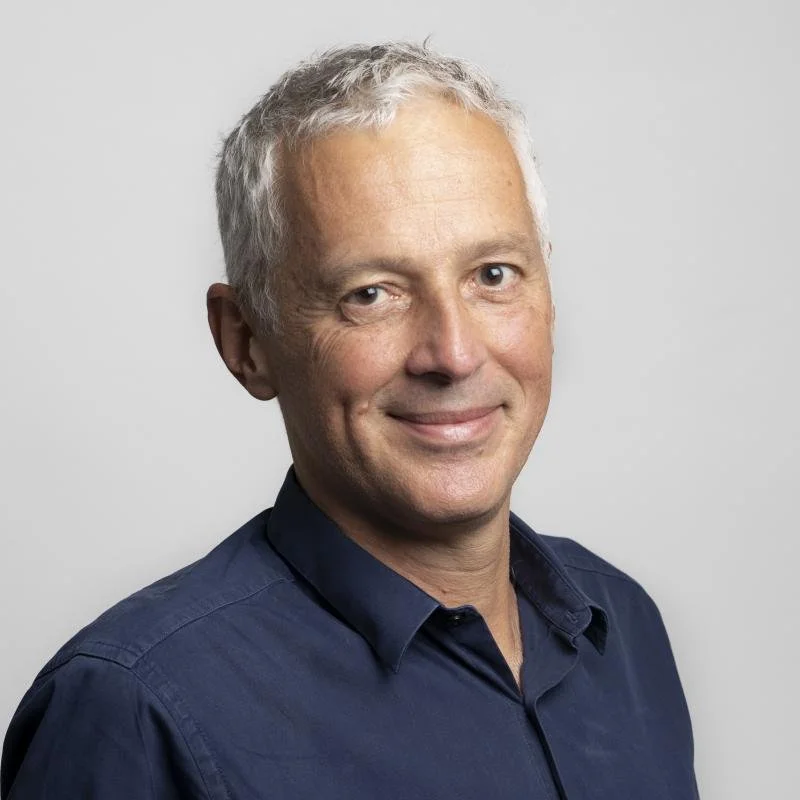
Alain Chédotal, PhD
Institut de la Vision, France
-
Alain Chédotal uses advanced single-cell and 3D imaging technologies to build cell atlas and understand processes including human gonad development, sex determination, and vision development.
plenary VI: awards and keynote
sponsored by: Stem Cell Reports
This capstone session features lectures from the ISSCR Early Career Impact and Momentum Award winners and presentation of the Lifetime Achievement and Public Service Award winners, followed by the Keynote Address.
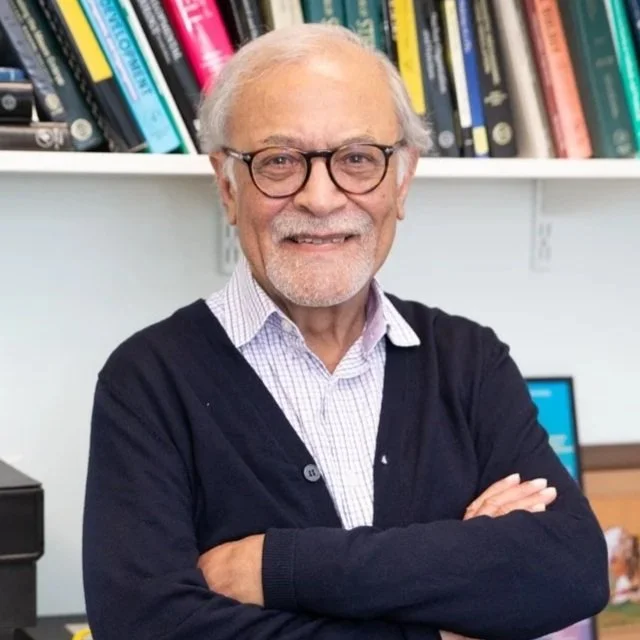
Azim Surani, FMedSci, FRS
Gurdon Institute, University of Cambridge, UK
Keynote Speaker
Anne McLaren Memorial Lecture
-
Azim Surani is a pioneering developmental biologist best known for discovering genomic imprinting and elucidating parent-of-origin effects in mammalian development. His work has fundamentally shaped understanding of epigenetic regulation, germ cell development, and early embryogenesis, with lasting influence across developmental and stem cell biology.
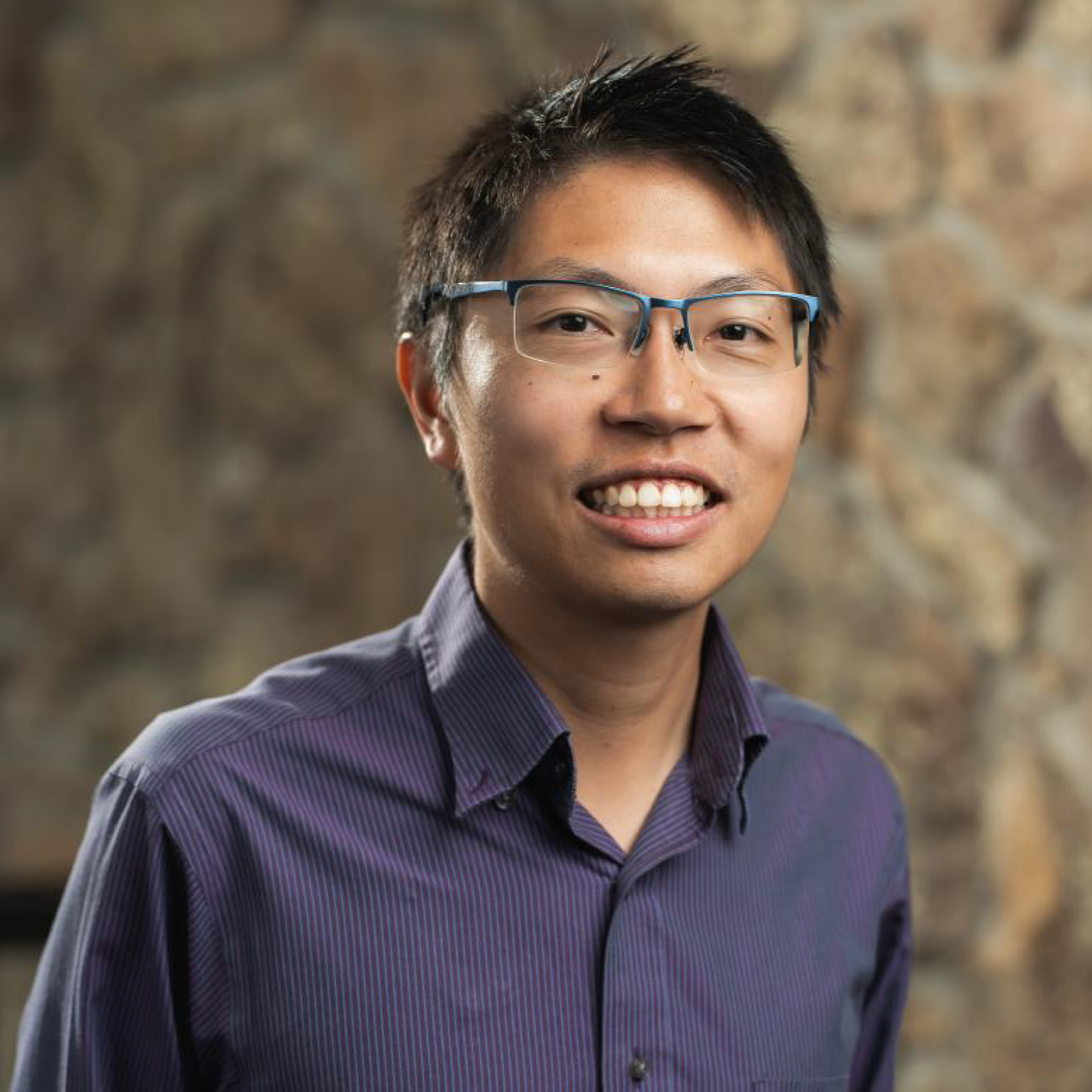
Kyle M. Loh, PhD
Stanford University School of Medicine, USA
ISSCR Early Career Impact Award Winner
-
Kyle Loh’s work identified lineage-specific progenitors and the signals that control cell fate decisions to developing methods to direct human pluripotent stem cells into highly purified cell types, particularly arterial and venous endothelial cells. His work advances understanding of human development and disease by enabling rapid generation of diverse cell types and applying these systems to study processes such as vascular biology, viral infection, and early brain development.
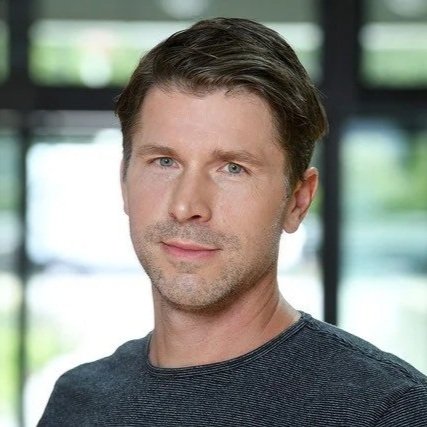
Alexander Meissner, PhD
Max Planck Institute for Molecular Genetics, Germany
ISSCR Momentum Award Winner
-
Alexander Meissner’s research focuses on understanding how cell identity is established, maintained, and reprogrammed through developmental and stem cell epigenetics. He has advanced the field by creating comprehensive transcriptional and epigenomic maps of pluripotent stem cells, developing the widely adopted “ScoreCard” assay, and elucidating chromatin remodeling and early regulatory dynamics during pluripotent cell specification.
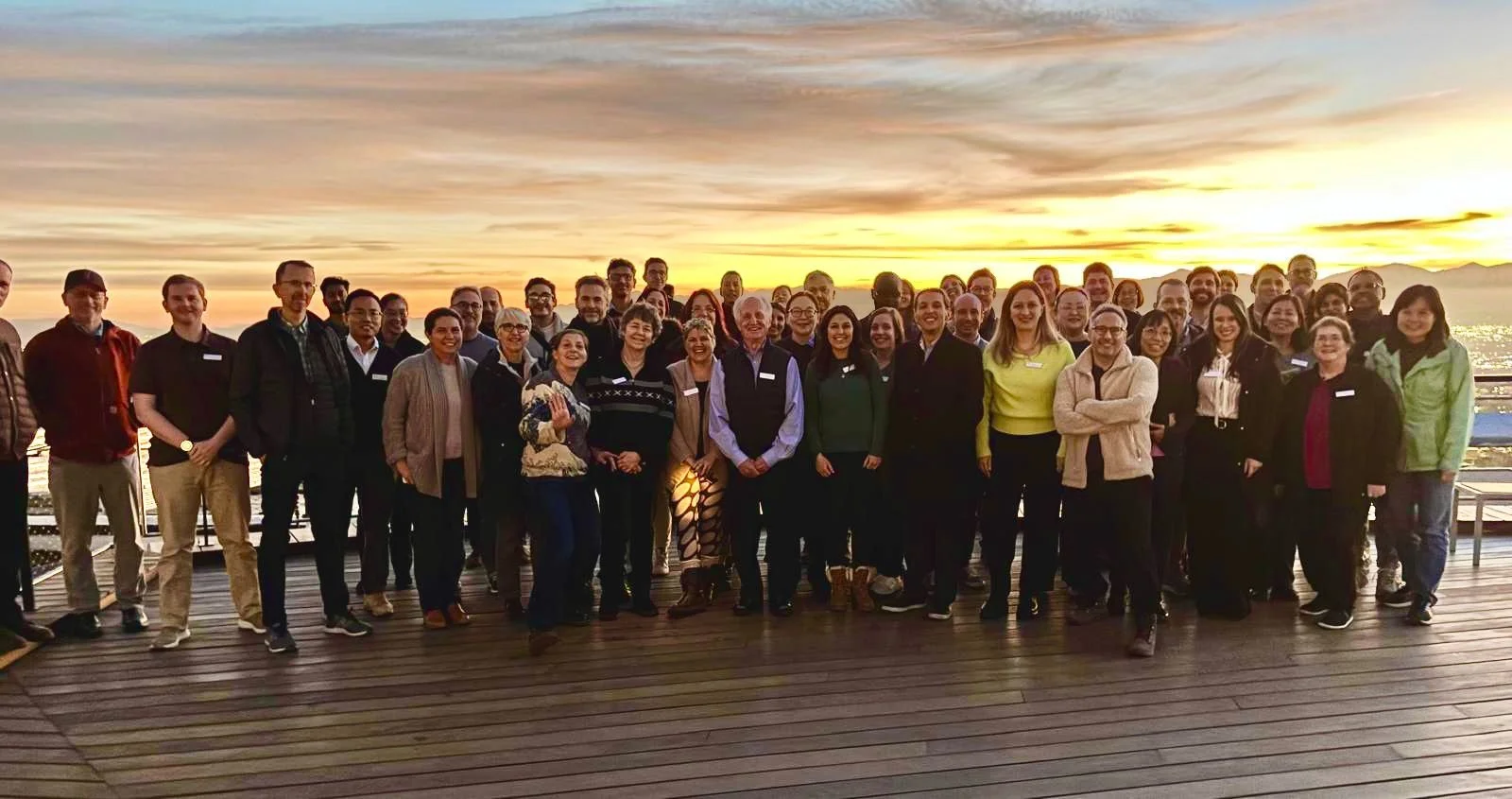
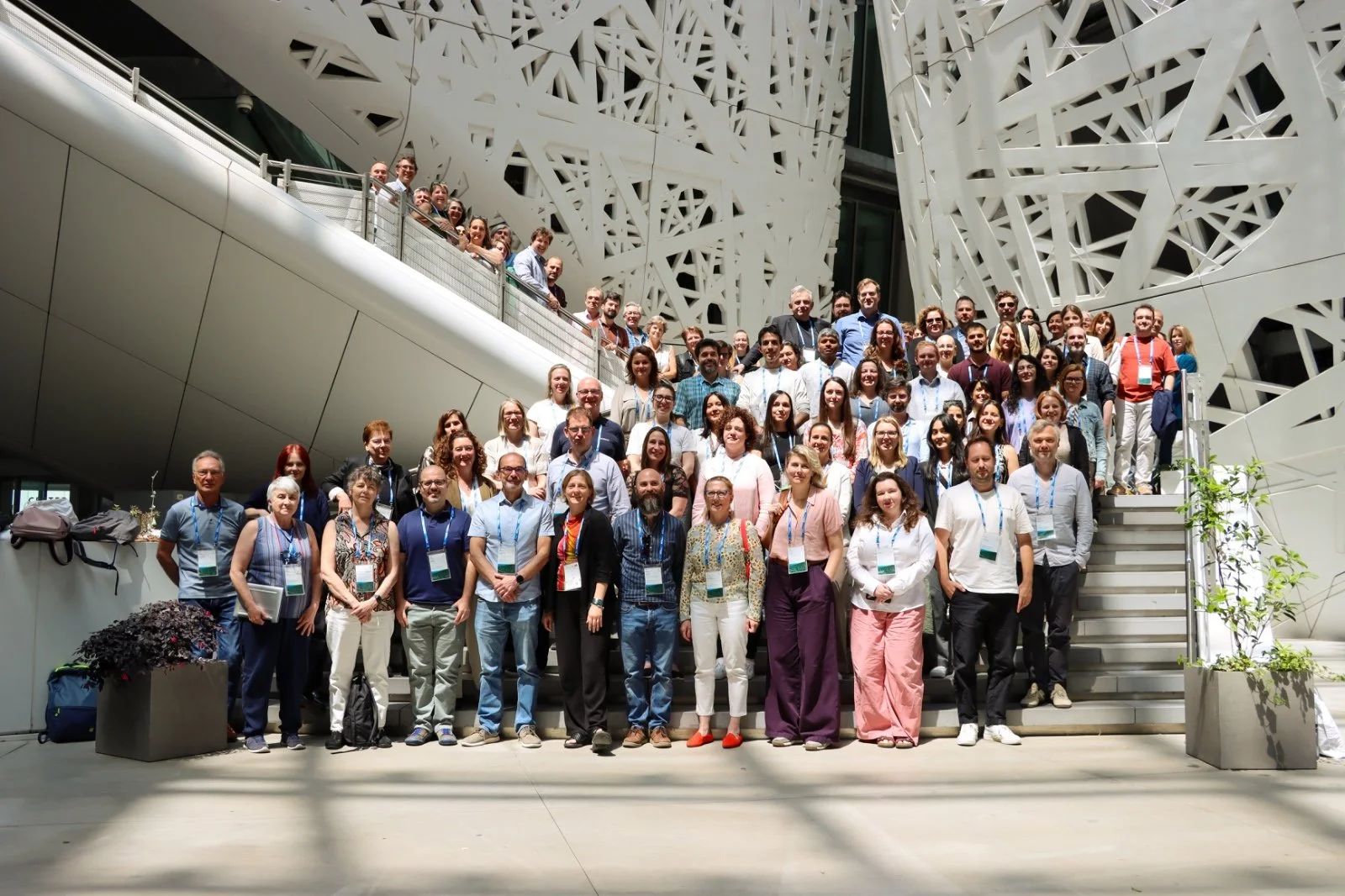
COREdinates and CorEUStem
ISSCR Public Service Award Winner
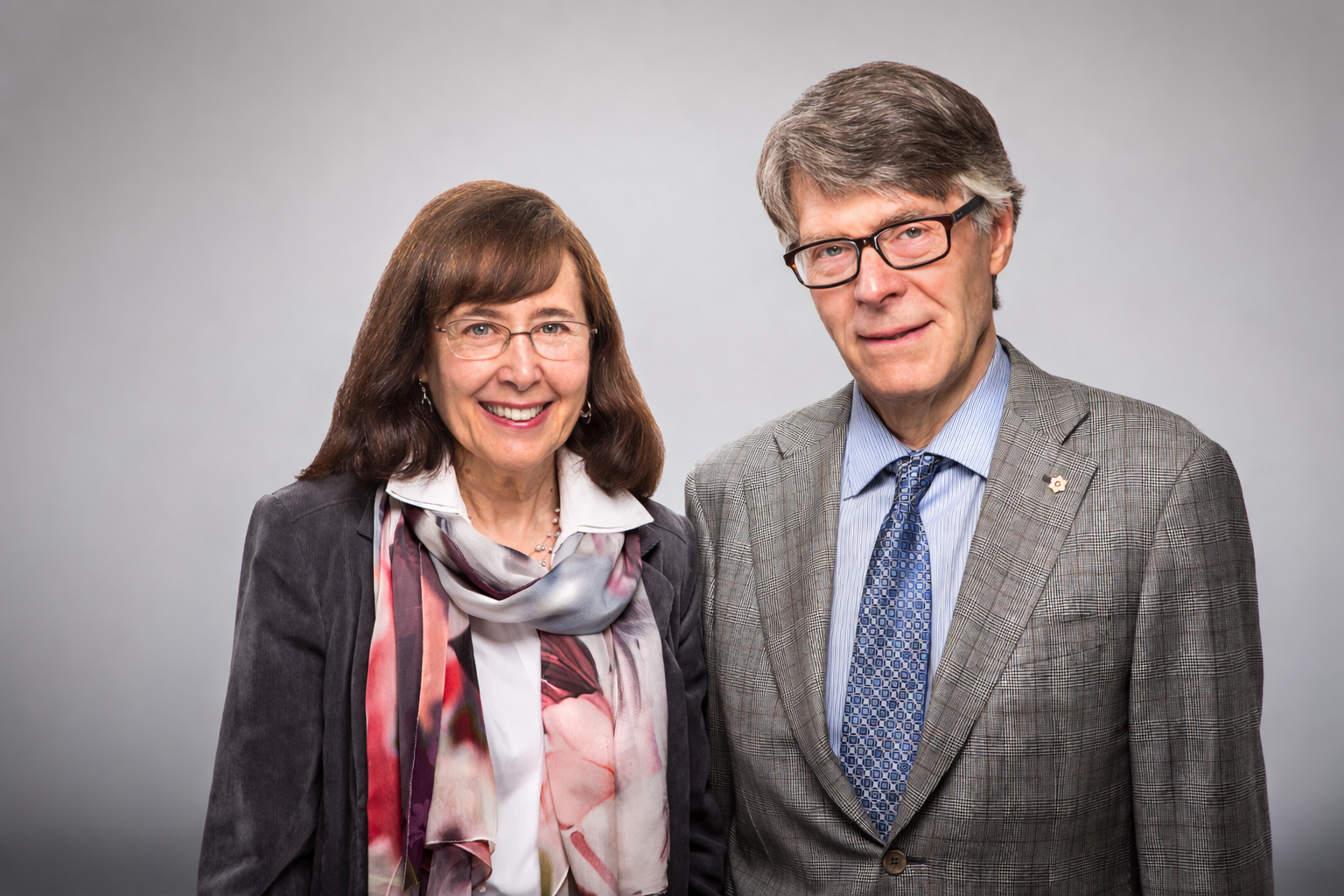
Allen C. Eaves, OC, OBC, MD, PhD, FRCPC
STEMCELL Technologies Inc., Canada
the late Connie J. Eaves, OC, FRSC, FRS PhD
BC Cancer Agency, Canada
ISSCR Lifetime Achievement Award Winners