
organoids
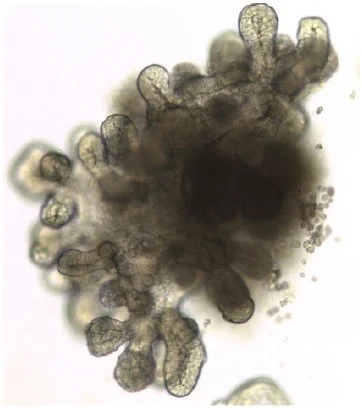
Leading stem cell researchers will share their latest innovations and technological advances in deriving 3D multicellular systems to model and understand human organogenesis and pathogenesis. Register to experience the interface of cell and developmental biology with engineering, highlighting iPSC- and adult stem cell-derived organoid systems as powerful tools for studying human development and disease.
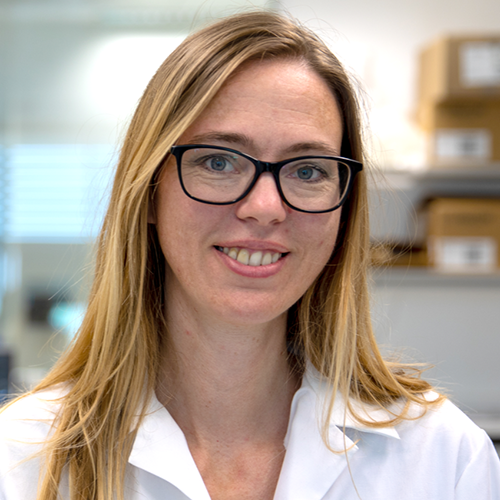
Madeline Lancaster, PhD
Medical Research Council (MRC), UK
Presenting in Plenary I: Presidential Symposium
-
Madeline Lancaster is a founder of human brain organoid technology, transforming disease modeling and evolutionary neuroscience. Her innovations have made it possible to dissect disease mechanisms, evolutionary divergence, and cognitive function in vitro, revolutionizing experimental neuroscience.
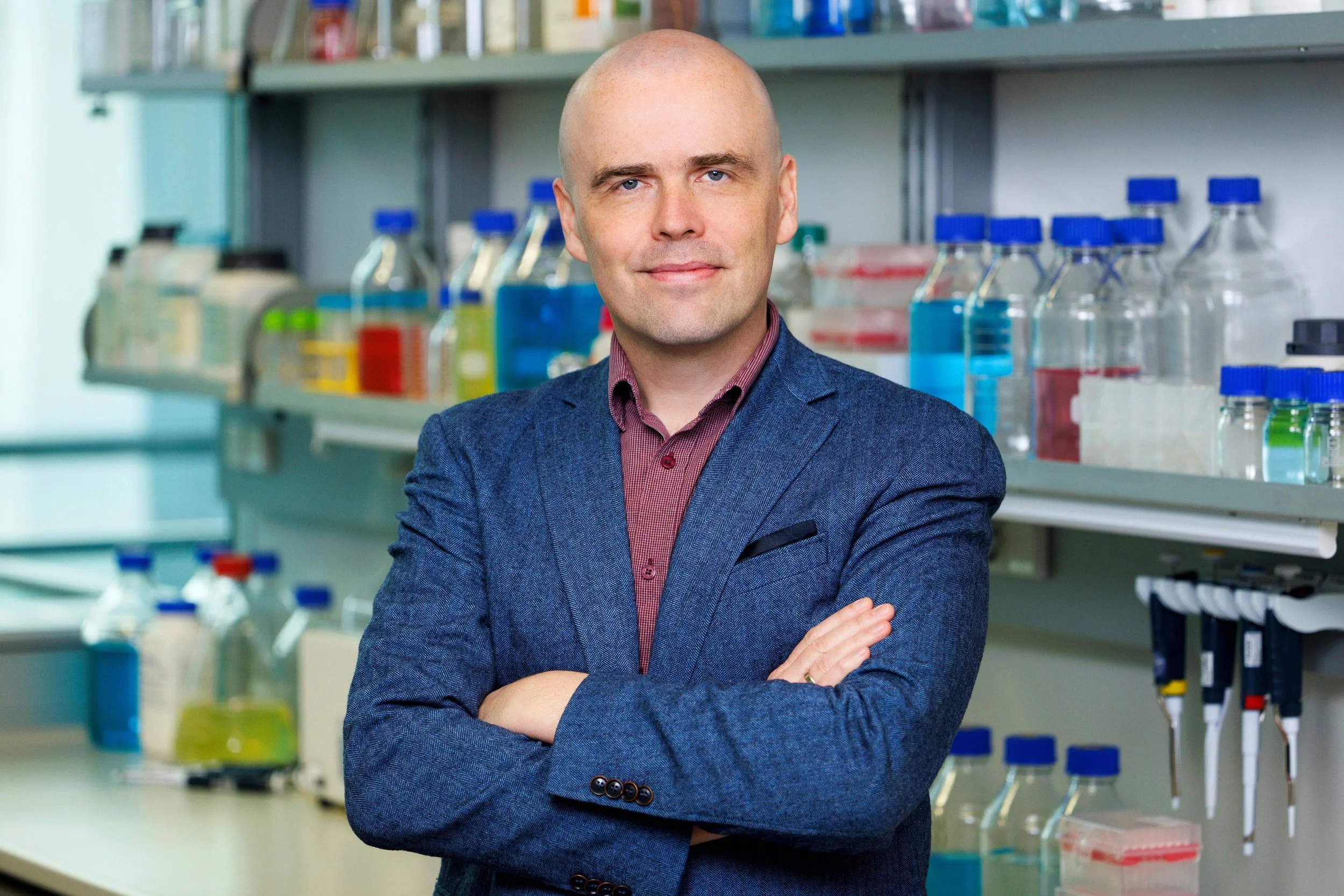
Sasha Mendjan, PhD
Institute of Molecular Biotechnology, IMBA, Austria
Presenting in Advanced Organoid Models
-
Sasha Mendjan is a stem cell biologist known for developing human heart organoid and multi-lineage cardiac models. His work uses pluripotent stem cells to study early human cardiogenesis and tissue–tissue interactions, providing mechanistic insight into heart development and disease.
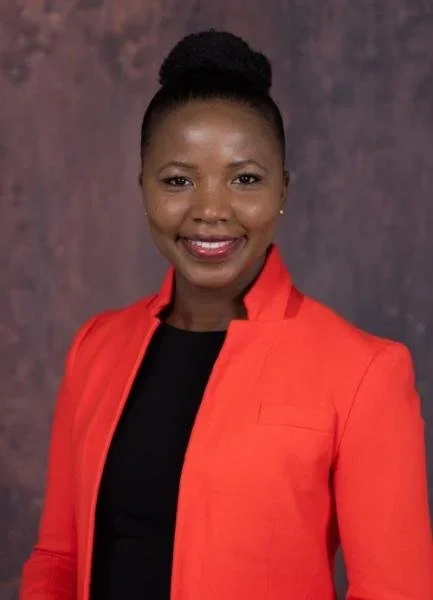
Samira Musah, PhD
Duke University, USA
Presenting in Advanced Organoid Models
-
Samira Musah integrates stem cell biology, biophysics, and microengineering to model human kidney function. Her work develops kidney organoid and microphysiological systems (organ-on-chip platforms) that capture mechanical and biochemical cues, enabling more physiologically relevant studies of renal development, disease, and developing new therapeutic strategies.

Josef Penninger, MD
Helmholtz Centre for Infection Research, Germany and The University of British Columbia, Canada
Presenting in Tissue and organoid engineering
-
Dr. Penninger developed the first self-organizing three-dimensional human blood vessel organoids from pluripotent stem cells, which contain endothelial cells and pericytes that self-assemble into capillary networks enveloped by a basement membrane. These blood vessel organoids transplanted into mice form stable, perfused vascular trees including arteries, arterioles and venules, and have been used to model diabetic vasculopathy. His lab has developed microfluidic platforms to vascularize biological tissues on-chip, enabling long-term culture of three-dimensional organoids and enhancing their growth, maturation, and function.
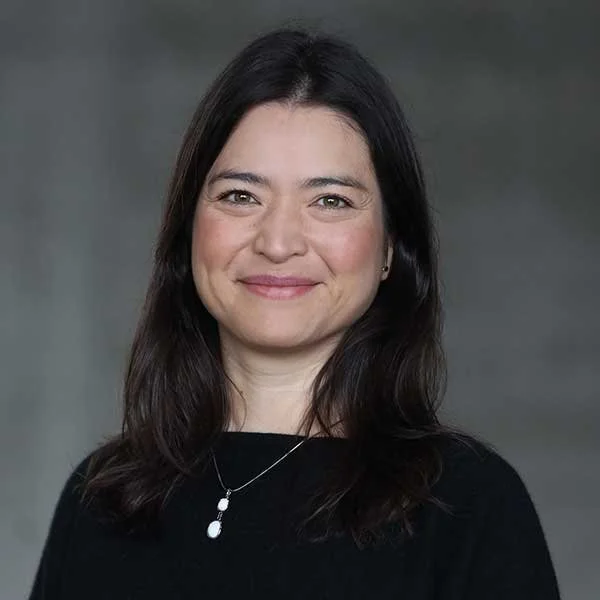
Sandra Scharaw, PhD
-
Sandra Scharaw studies cell biology in tissue renewal and how it changes with age. Her lab uses the small intestine as a model of stem cell–driven tissue renewal that declines over time. Using 3D intestinal organoid cultures and advanced imaging approaches, such as Volume Electron Microscopy (VEM), her group studies how endomembrane organelle organization in stem cells controls tissue renewal, and how this organization changes with age, and how age-related dysfunctions might be targeted.
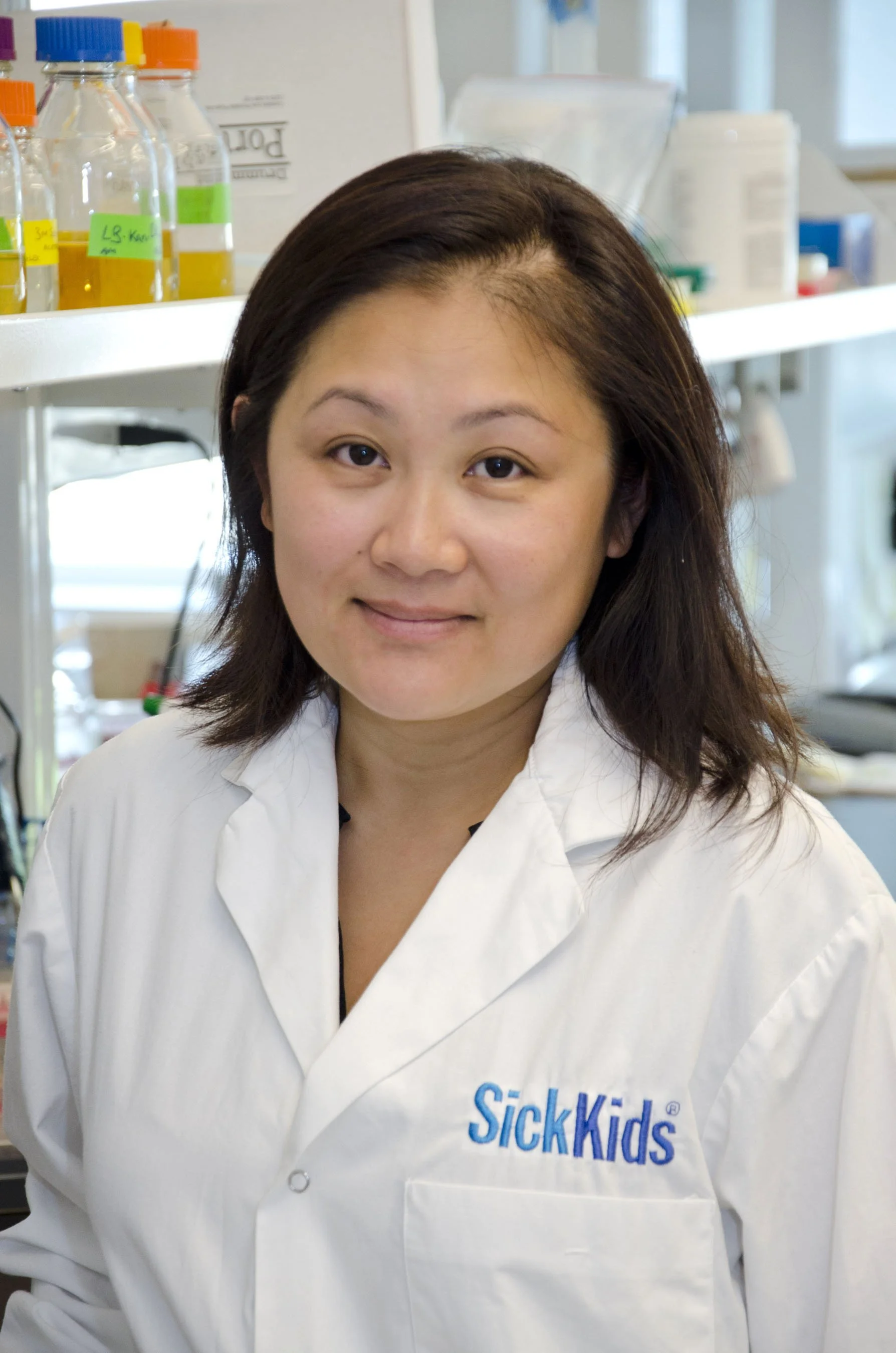
Amy Wong, PhD
The Hospital for Sick Children, Canada
Presenting in Plenary III: Tissue Stem Cells in Physiology and Disease
-
Amy Wong develops engineered human lung tissue models to study pulmonary disease, with a particular focus on cystic fibrosis. Her work combines stem cell biology and bioengineering to create physiologically relevant platforms for disease modeling and therapeutic testing, alongside service as an early-career editor for Stem Cell Reports.