
new technologies
Use AI, omics, imaging, and computational biology to advance stem cell research and its clinical translation. Discover how leading researchers are applying cutting edge single-cell and computational approaches to gain new insights into human health, development, and disease. Register to discover the latest technologies at ISSCR 2026.
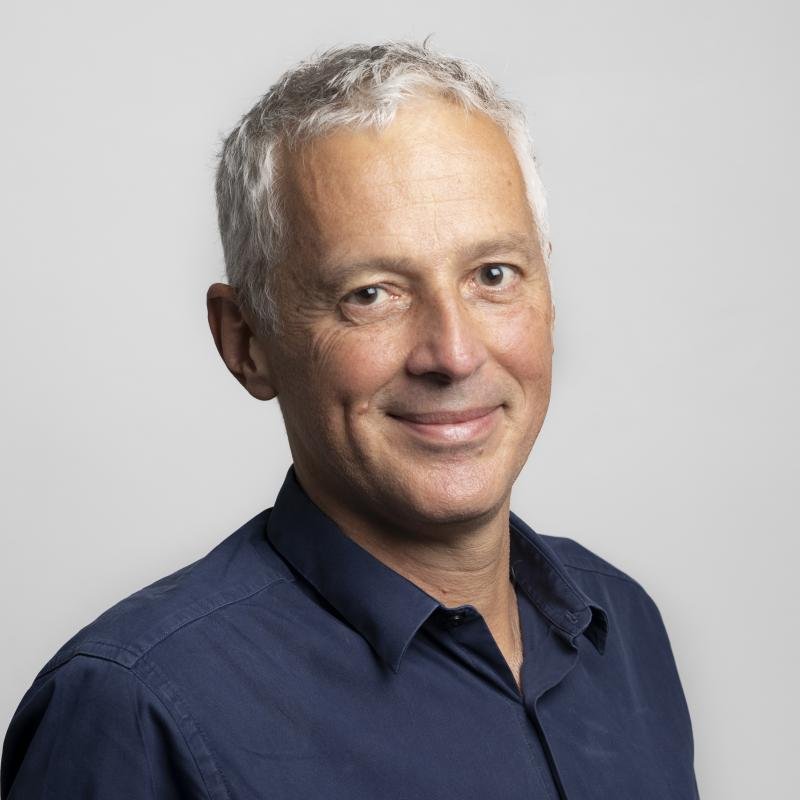
Alain Chédotal, PhD
-
Alain Chédotal uses advanced single-cell and 3D imaging technologies to build cell atlas and understand processes including human gonad development, sex determination, and vision development.
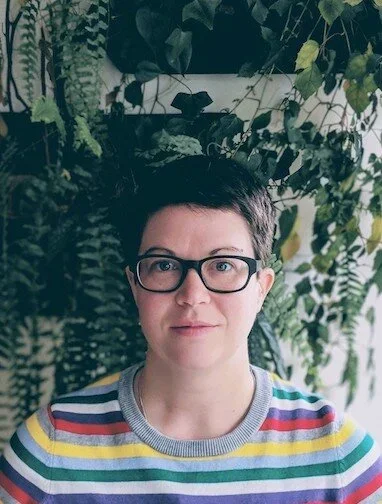
Morgan Craig, PhD
-
Dr. Craig's Quantitative and Translational Medicine Laboratory applies computational biology approaches to study how heterogeneity impacts disease and treatment outcomes, developing predictive mechanistic models of cancer and viral respiratory diseases to identify pathophysiological mechanisms and tailor therapeutic regimens using in silico clinical trials and virtual patient cohorts. Her work combines delay differential equations and stochastic approaches to model the hematopoietic system in physiologically-complete ways, studying hematopoietic stem cell dynamics, clonal hematopoiesis, and optimization of treatments like granulocyte colony-stimulating factor therapy. Her research demonstrates how in silico clinical trials combine mechanistic disease modeling with computational strategies to rationalize pre-clinical and clinical studies and establish effective treatment strategies for complex diseases.
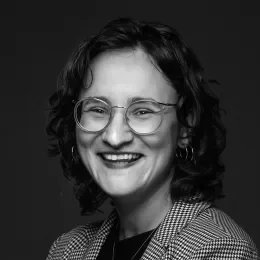
Bianca M. Dumitrascu, PhD
-
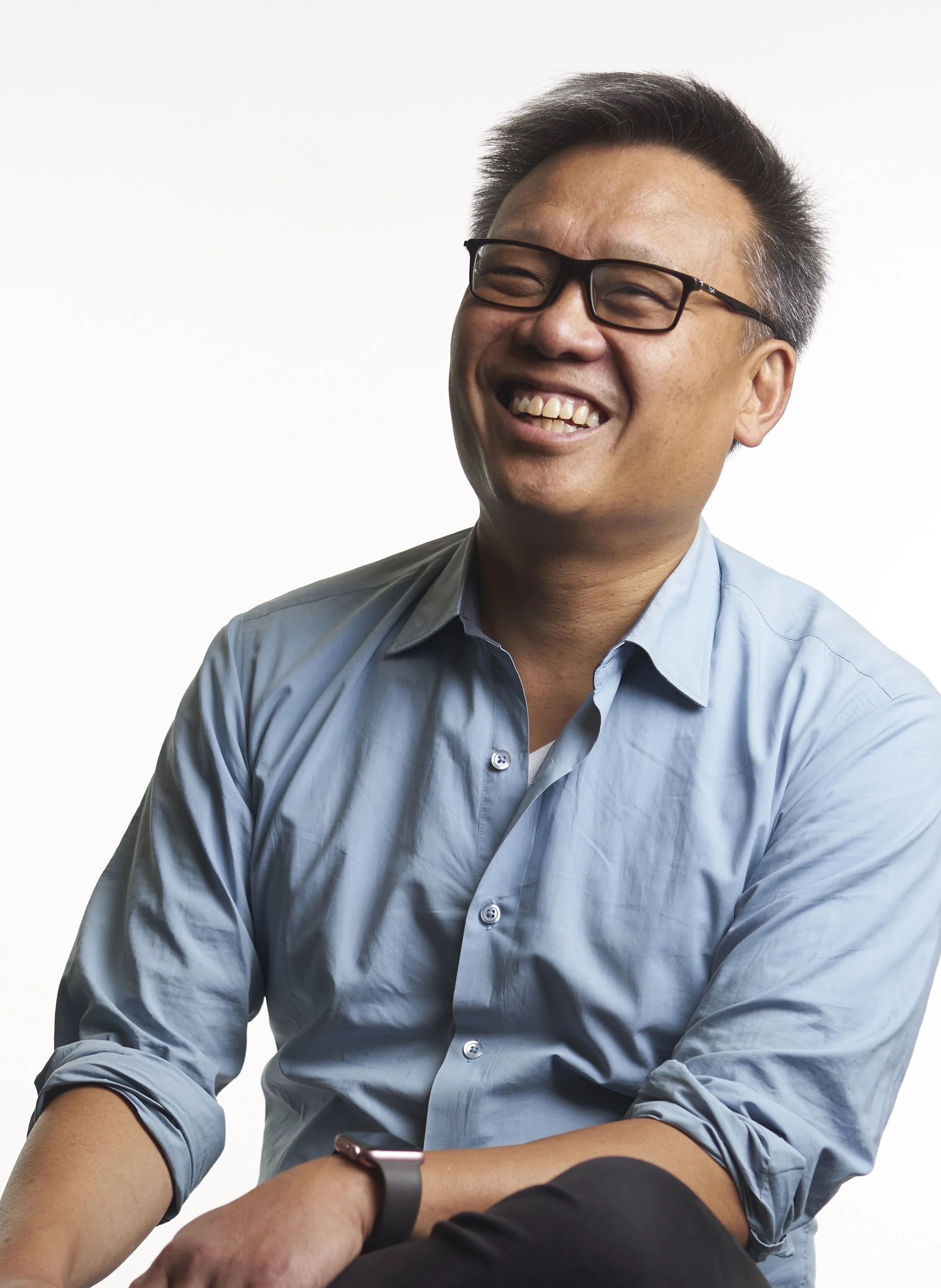
Noo Li Jeon is a bioengineer known for pioneering microfluidic platforms to study cell–cell communication and tissue organization. His work applies organ-on-chip and microphysiological systems to model vascular, neural, and multi-organ interactions in controlled in vitro environments.
Wendell A. Lim, PhD
-
Dr. Lim's research focuses on understanding how genetically encoded molecular programs yield complex cellular behaviors, studying mechanisms of cell signaling and how cells sense their environment and process information to make functional decisions. His lab uses synthetic biology to rewire cellular signaling pathways and networks, engineering novel receptors and therapeutic immune cells programmed to recognize and treat disease. The lab has pioneered optogenetic approaches to control intracellular signaling dynamics and is developing synthetic cell-cell communication systems to understand multicellular spatial self-organization and emergent behaviors.
Alexander Meissner, PhD
Max Planck Institute for Molecular Genetics, Germany
ISSCR Momentum Award Winner
-
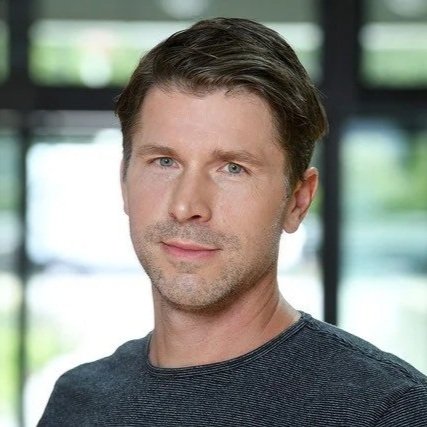
Alexander Meissner’s research focuses on understanding how cell identity is established, maintained, and reprogrammed through developmental and stem cell epigenetics. He has advanced the field by creating comprehensive transcriptional and epigenomic maps of pluripotent stem cells, developing the widely adopted “ScoreCard” assay, and elucidating chromatin remodeling and early regulatory dynamics during pluripotent cell specification.
Musa M. Mhlanga, PhD
Radboud Institute for Molecular Lifesciences (RiMLS), Netherlands
Presenting in Transcriptional Regulation of Somatic Stem Cells
-
Musa M. Mhlanga studies gene regulation through single-cell and single-molecule biology using advanced single-molecule and super-resolution imaging techniques. His research explores nuclear architecture and the interplay between gene expression and coding and noncoding RNA. His laboratory investigates the epigenome and the role of noncoding RNA in genomic architecture and gene regulation, integrating single-cell genomics, spatial transcriptomics, and multi-omics microscopy approaches in translational immune system models.
Shalin H. Naik, PhD
WEHI, Australia
Presenting in Plenary V: Technologies to Understand and Engineer Stem Cell Systems
-
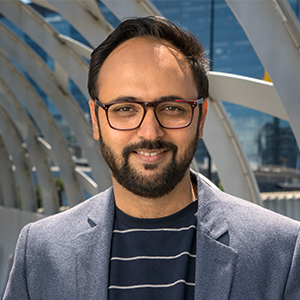
Shalin Naik applies single-cell genomics to dissect immune cell diversity, development, and function. He is particularly known for developing and sharing new experimental and analytical tools that enable other researchers to more precisely interrogate immune systems at cellular resolution.
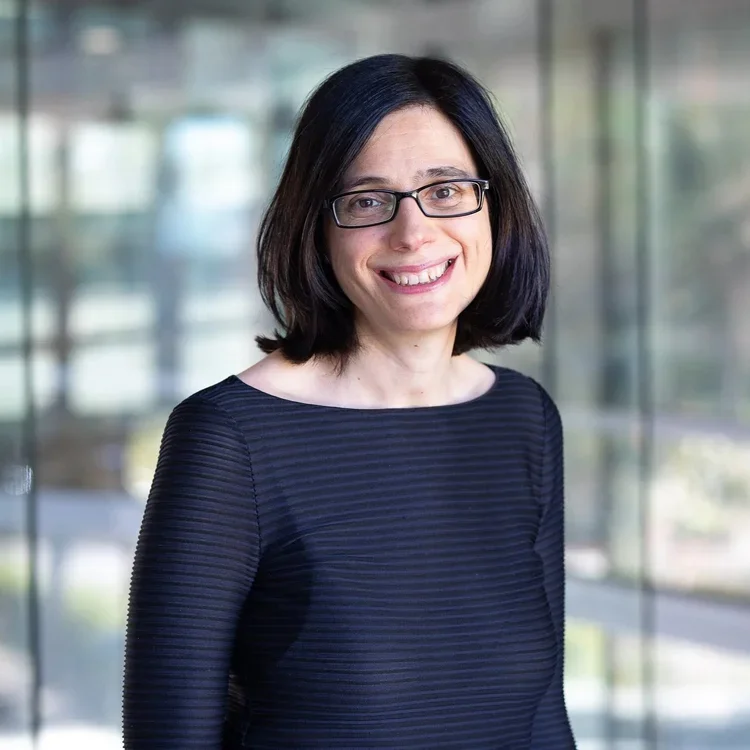
Aviv Regev, PhD
Genentech, USA
Keynote speaker in Plenary III: Tissue Stem Cells in Physiology and Disease
-
Aviv Regev is a pioneer in applying computational and AI-driven approaches to understand cell identity and tissue organization. She was a founding leader of the Human Cell Atlas and her work integrates large-scale single-cell data, machine learning, and systems biology to map human biology and disease at cellular resolution.
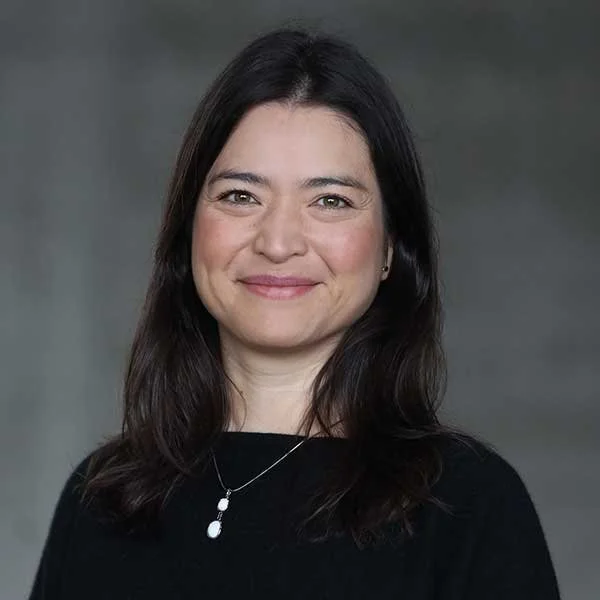
Sandra Scharaw, PhD
-
Sandra Scharaw studies cell biology in tissue renewal and how it changes with age. Her lab uses the small intestine as a model of stem cell–driven tissue renewal that declines over time. Using 3D intestinal organoid cultures and advanced imaging approaches, such as Volume Electron Microscopy (VEM), her group studies how endomembrane organelle organization in stem cells controls tissue renewal, and how this organization changes with age, and how age-related dysfunctions might be targeted.
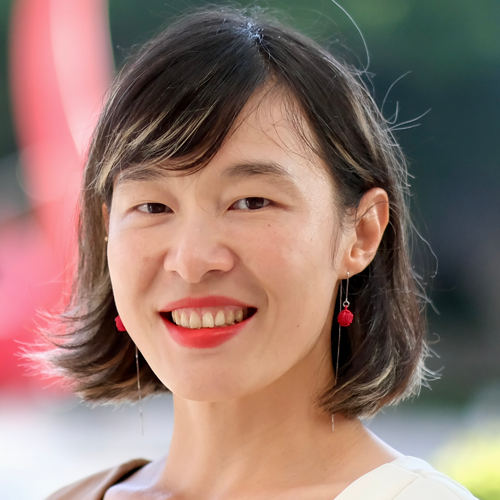
Angela Ruohao Wu, PhD
The Hong Kong University of Science and Technology, Hong Kong, China
Presenting in Plenary V: Technologies to Understand and Engineer Stem Cell Systems
-
Angela Wu develops microfluidic and organ-on-chip platforms to model human tissues and physiological systems. Her work integrates engineering and stem cell biology to create controllable, scalable in vitro models for studying development, disease mechanisms, and therapeutic responses.
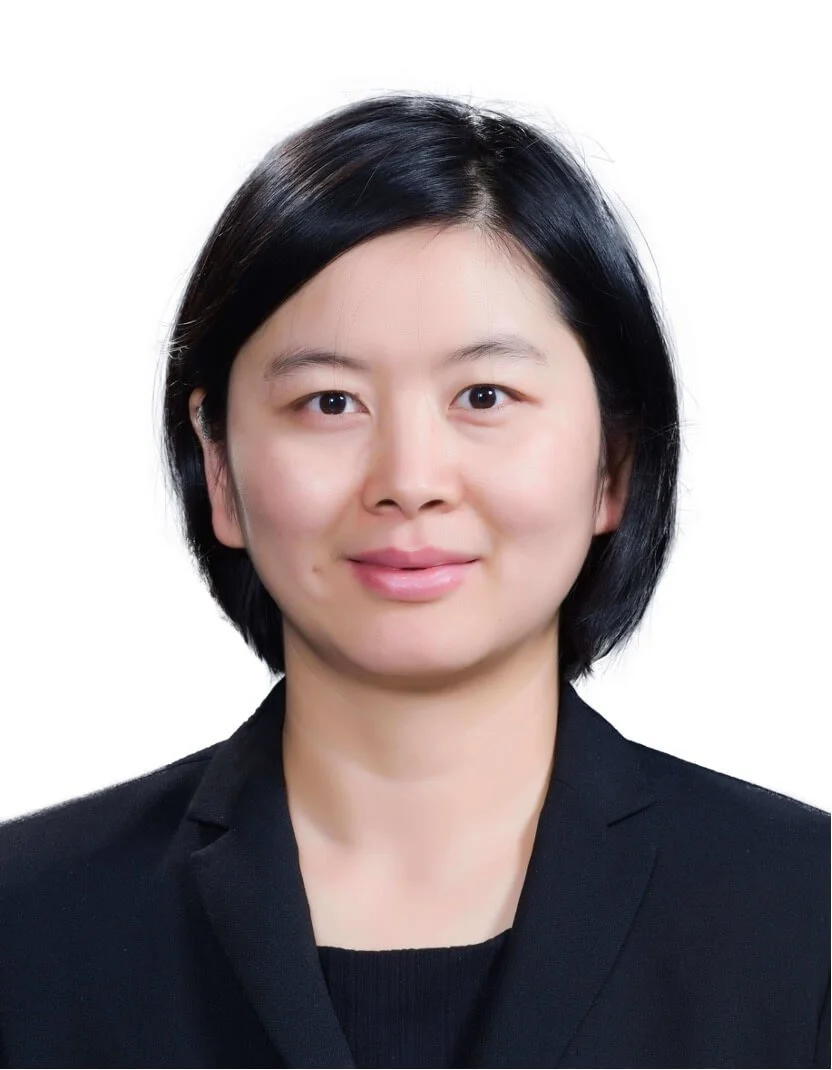
Weiqi Zhang, PhD
-
Weiqi Zhang is a computational biologist working on large-scale genomics and bioinformatics methods to analyze mechanisms of aging, aging-related diseases, and interventions to delay aging. Their research focuses on integrating multi-omics and single-cell data to reconstruct developmental and disease-relevant cellular programs, supporting data-driven modeling across stem cell and developmental biology.
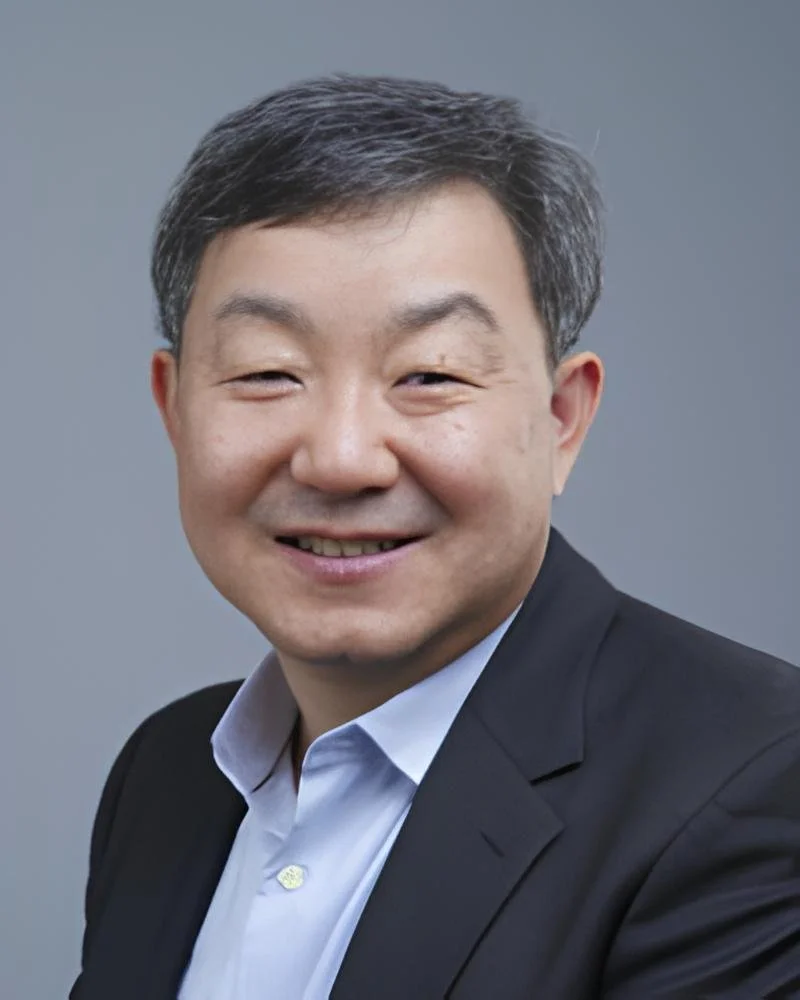
Noo Li Jeon, PhD
Seoul National University, Korea
Presenting in Tissue and Organoid Engineering Session
-
Noo Li Jeon is a bioengineer known for pioneering microfluidic platforms to study cell–cell communication and tissue organization. His work applies organ-on-chip and microphysiological systems to model vascular, neural, and multi-organ interactions in controlled in vitro environments.