
neural
Stem cell research enables the study of the nervous system at cellular and molecular resolution from early development through aging, while also offering powerful approaches to model and treat diseases of the central nervous system. At the ISSCR 2026 Annual Meeting, top stem cell researchers will share their latest findings on neural fate specification, stem cell-based disease models, and the clinical applications of stem cell therapies for neurodegenerative diseases. Register to hear their presentations.

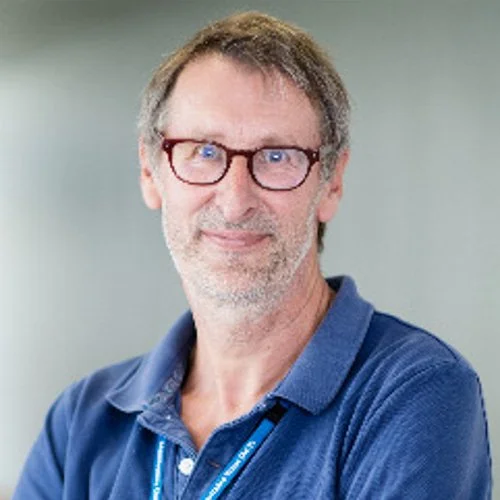
Roger A. Barker, PhD, MRCP
-
Roger A. Barker is a clinician–scientist best known for his work on Parkinson’s disease and movement disorders. His research spans disease mechanisms, biomarkers, and the clinical translation of cell-based therapies, including stem cell–derived dopaminergic neuron transplantation for Parkinson’s disease.
Brian Bigger, PhD
-
Brian Bigger focuses on developing stem cell gene therapies for childhood dementias and multisystem diseases. His work spans stem cell–based approaches and in vivo gene delivery to address neurodegeneration and lysosomal storage disorders, with an emphasis on translational and preclinical models. He was named in TIME’s 2026 TIME100 Health List of the World’s Most Influential Leaders in Health
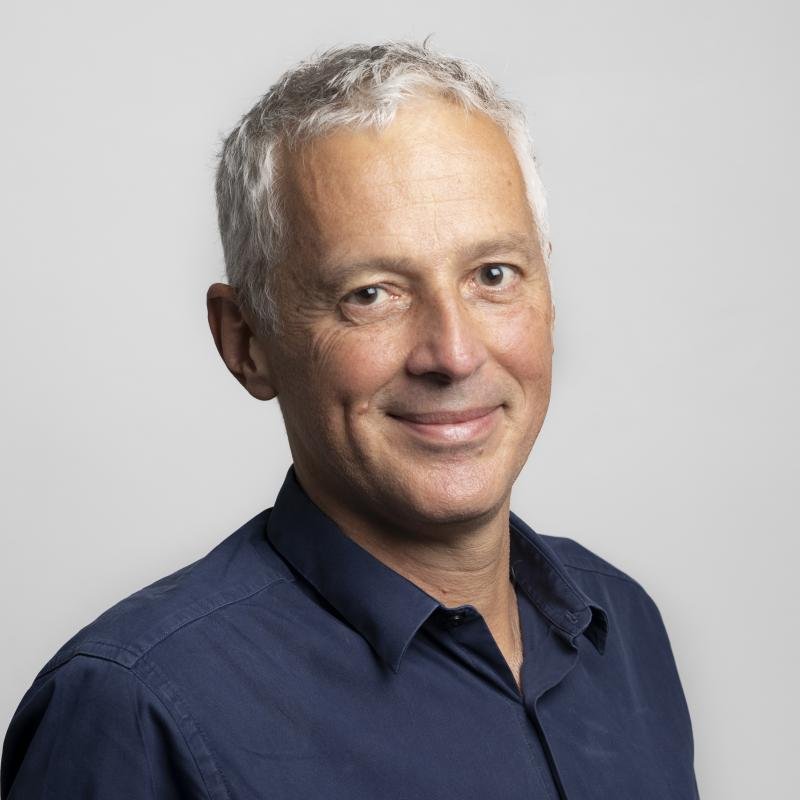
Alain Chédotal, PhD
Institut de la Vision, France
Presenting in Plenary V: Technologies to Understand and Engineer Stem Cell Systems
-
Alain Chédotal uses advanced single-cell and 3D imaging technologies to build cell atlas and understand processes including human gonad development, sex determination, and vision development.
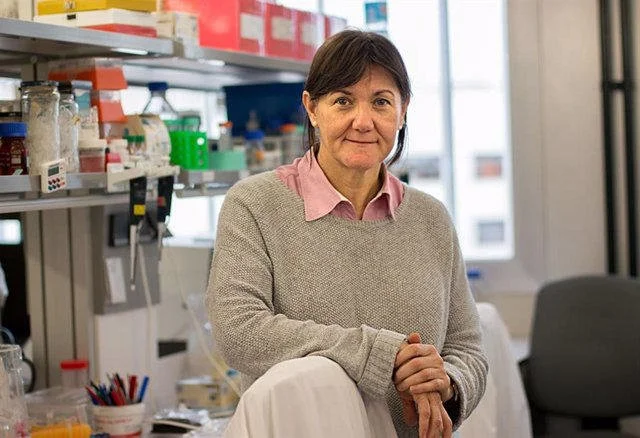
Isabel Farinas, PhD
Altos Labs San Diego Institute of Science, USA
Presenting in Aging and Rejuvenation
-
Isabel Fariñas’ work focuses on the biology of the neural stem cell niche. She helped define the role of blood vessels in neurogenic niches, the active regulation of stem cell quiescence, and the influence of cell-cycle molecules, cell adhesion, and inflammation in maintaining these cells. Her lab studies the intrinsic and extrinsic signals that influence neural stem cell behavior, with emphasis on the dynamic transitions among quiescent, primed-for-activation, and activated states.
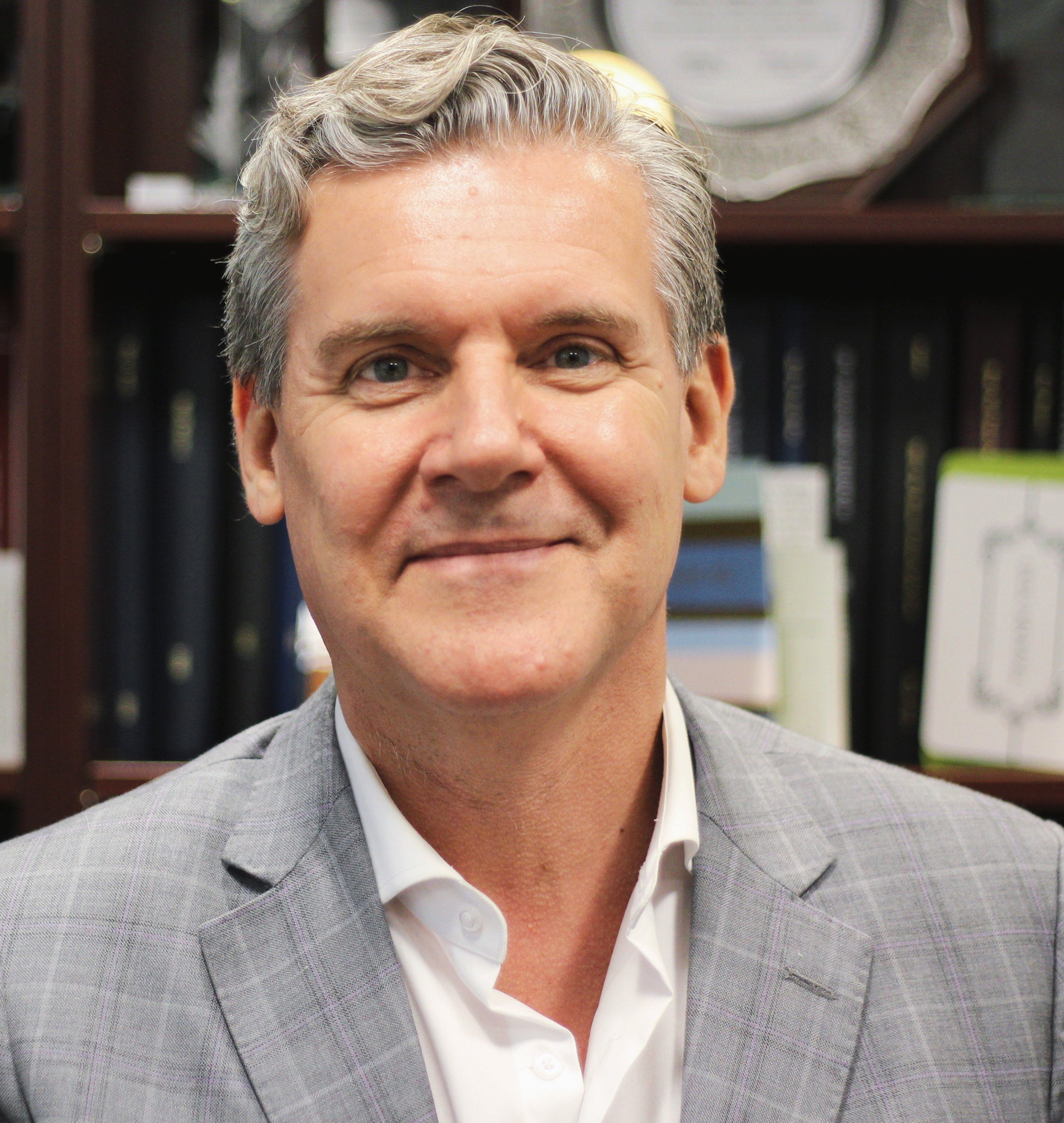
Michael G. Fehlings, MD, PhD
-
Michael G. Fehlings is a neurosurgeon-scientist focused on translational therapies for spinal cord injury. His work is focused on promoting neuroprotection and functional recovery, alongside clinical and preclinical studies advancing regenerative strategies for CNS repair.
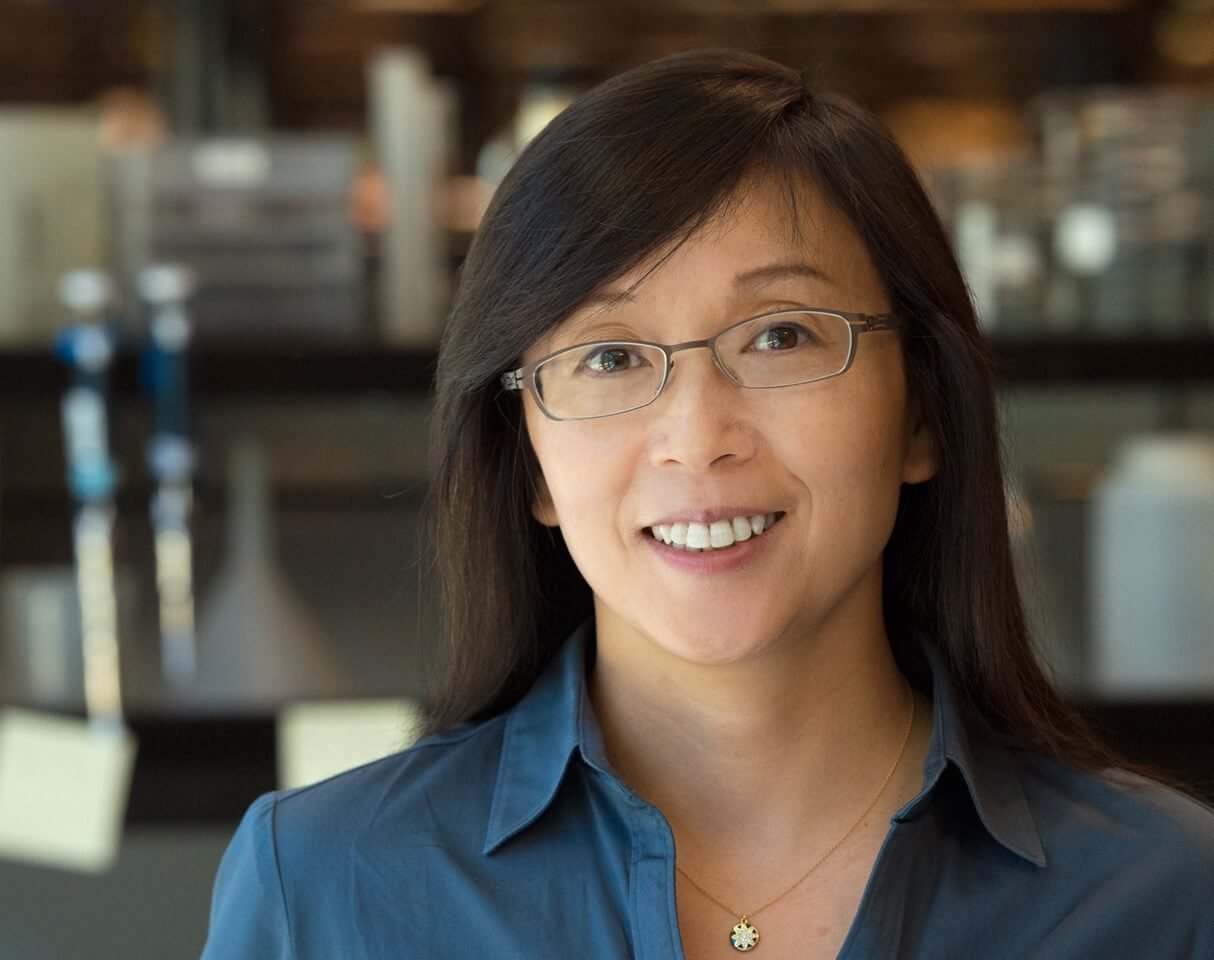
Li Gan, PhD
Weill Cornell Medical College, USA
Presenting in Aging Models and Age-Related Diseases
-
Li Gan develops stem cell–based models of Alzheimer’s disease that capture interactions among neurons, microglia, and astrocytes, including advanced triculture systems. Her work uses human iPSC models to dissect cell-type–specific contributions to neurodegeneration and inflammation.
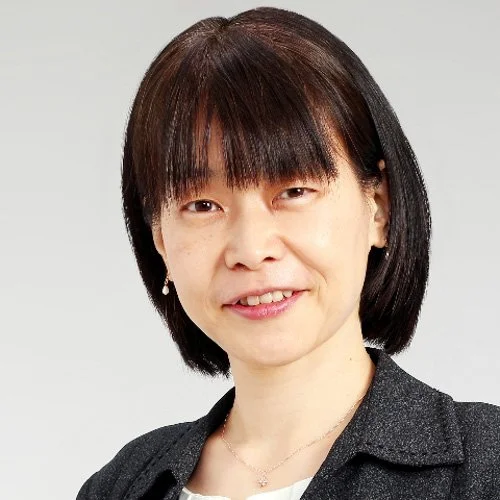
Yukiko S. Gotoh, PhD
University of Tokyo, Japan
Presenting in Plenary I: Presidential Symposium
-
Yukiko Gotoh is a leading expert in neural development and circuit formation. Her research has elucidated molecular mechanisms guiding neuronal subtype specification and connectivity during mammalian brain development, bridging fundamental principles of neurogenesis with insights into neurodevelopmental disorders.
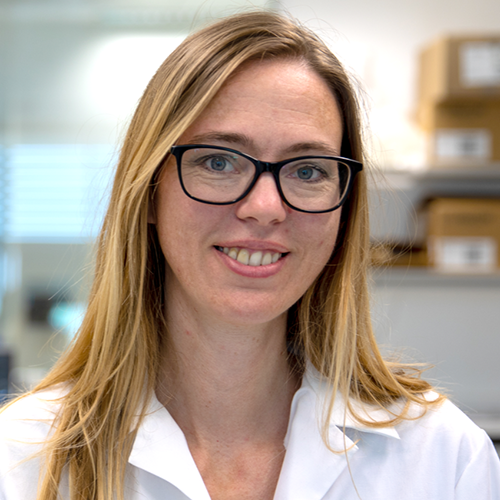
Madeline Lancaster, PhD
Medical Research Council (MRC), UK
Presenting in Plenary I: Presidential Symposium
-
Madeline Lancaster is a founder of human brain organoid technology, transforming disease modeling and evolutionary neuroscience. Her innovations have made it possible to dissect disease mechanisms, evolutionary divergence, and cognitive function in vitro, revolutionizing experimental neuroscience.
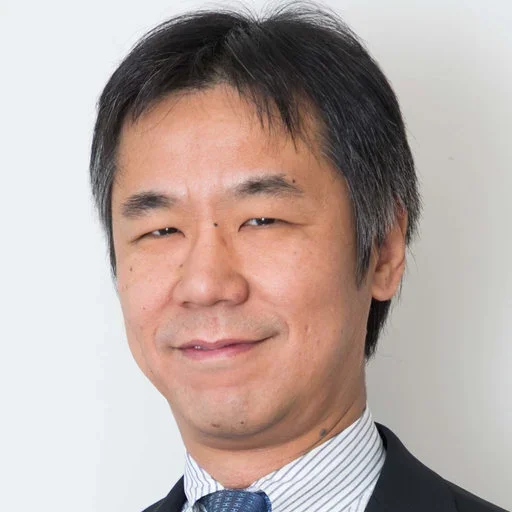
Nobukatsu Sawamoto, MD, PhD
Kyoto University, Japan
Presenting in Modulating the Tissue Niche for Therapeutic Success
-
Nobukatsu Sawamoto is a physician–scientist studying mechanisms of neural repair and functional recovery in the injured and diseased brain. His work integrates neuroimaging, clinical neurology, and regenerative approaches to understand how neural circuits reorganize and how repair processes can be enhanced after damage.

Hongjun Song, PhD
University of Pennsylvania, USA
Presenting in Precision Medicine and Drug Evaluation
-
Hongjun Song is a highly influential neuroscientist known for foundational work on adult neurogenesis and neural circuit plasticity. His research has expanded into human neural organoids and stem cell–based models to study brain development and disease, alongside translational efforts spanning cancer organoids and engineered cell therapies.
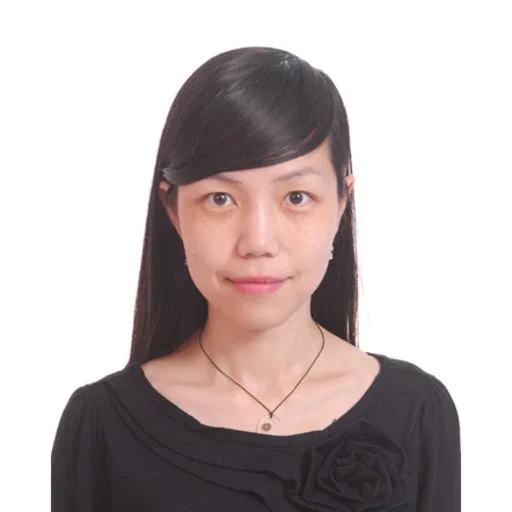
Yan Song, PhD
Peking University, China
Presenting in Transcriptional Regulation of Somatic Stem Cells
-
Dr. Song’s work focuses on the molecular mechanisms underlying stem cell fate decisions and fate memory in brain development and disease. Her lab investigates how stem cells remember or change their identity across mitosis, including mechanisms of mitotic bookmarking, chromatin accessibility, and transcriptional regulation that preserve neural stem cell fate or drive neuronal differentiation.