
early development
Explore the lineup of ISSCR 2026 speakers studying the process of early embryo development and organogenesis, using either animal models or in vitro models. Register to hear their presentations!
Elvan Böke, PhD
Centre for Genomic Regulation, Spain
Presenting in Plenary II: Modeling Early Development
-
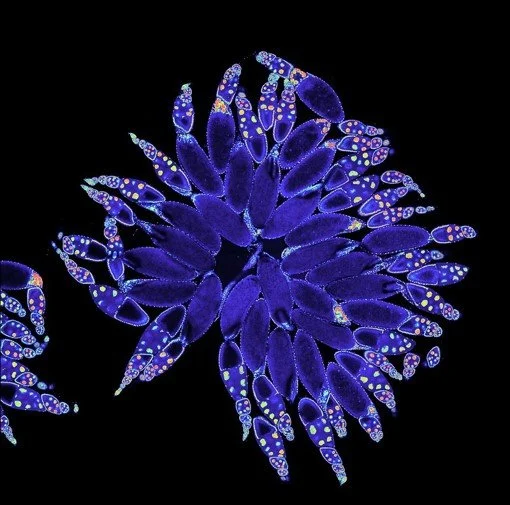
Elvan Böke studies the unique cell biology of mammalian oocytes, with a focus on cytoplasmic organization, protein homeostasis, and stress resistance. Her work reveals how oocytes maintain long-term cellular integrity, offering insight into fertility, aging, and fundamental principles of cell protection.
Alain Chédotal, PhD
Institut de la Vision, France
Presenting in Plenary V: Technologies to Understand and Engineer Stem Cell Systems
-
Alain Chédotal uses advanced single-cell and 3D imaging technologies to build cell atlas and understand processes including human gonad development, sex determination, and vision development.
Miguel Concha, MD, PhD
Universidad de Chile, Chile
Presenting in Plenary III: Tissue Stem Cells in Physiology and Disease
-
Miguel Concha studies regeneration using killifish as a comparative vertebrate model. His work examines how neural and tissue repair mechanisms operate across lifespan and species, providing insight into the principles that enable or limit regenerative capacity.
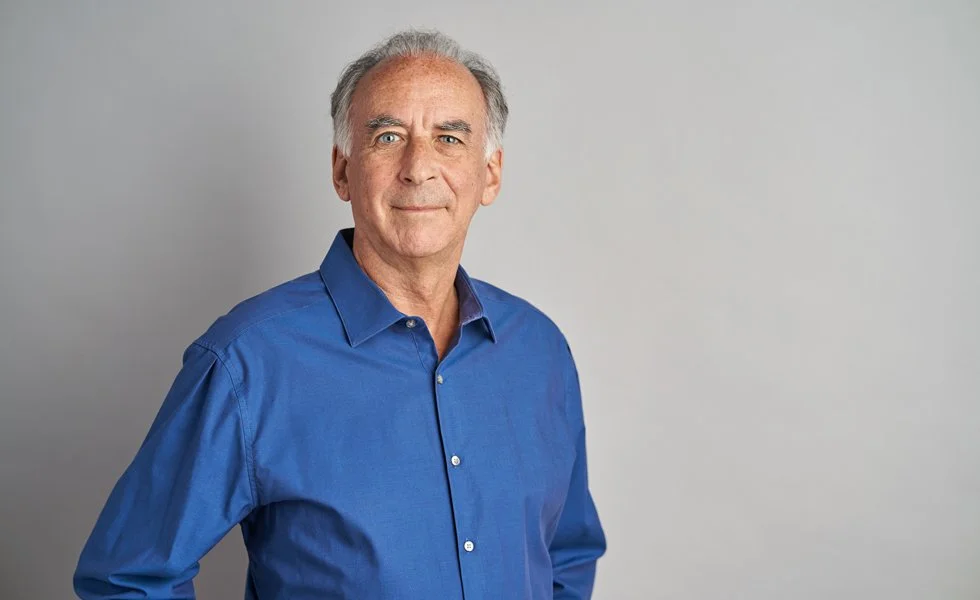
Jacques Drouin, DSc, FRSC
Institut de Recherches Cliniques de Montréal (IRCM), Canada
Presenting in Cell Fate and Identity Across Scales
-
Jacques Drouin’s work seeks to understand how genes function and how their disruption causes disease. His lab has discovered novel regulators of gene expression, including the Pitx subfamily and Tpit, which are essential for pituitary development and cell fate specification. His discoveries have advanced understanding of developmental disorders, hormone deficiencies, and Cushing disease.
Petra Hajkova, PhD
-
Petra Hajkova is a leading expert on primordial germ cell development and epigenetic reprogramming. Her work dissects how DNA methylation and chromatin states are erased and re-established during early human development, with implications for fertility, inheritance, and developmental disease.
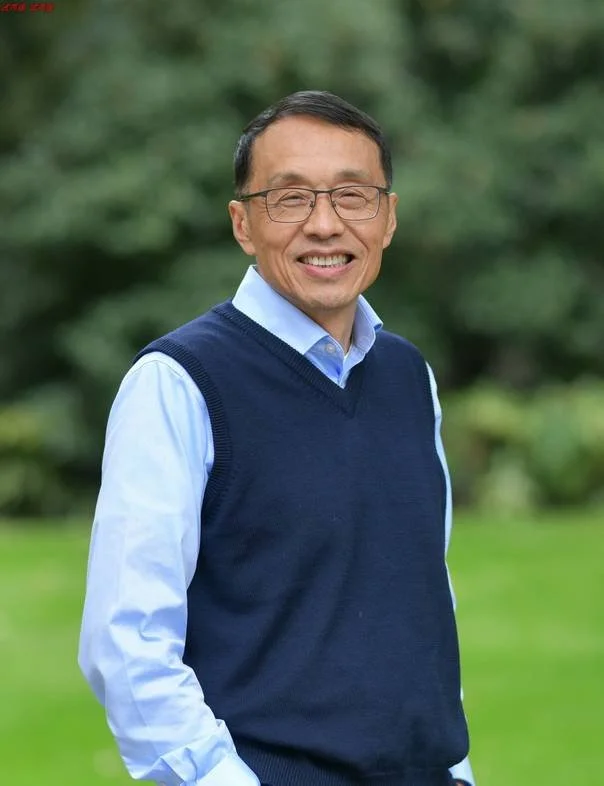
Naihe Jing, PhD
Guangzhou National Laboratory, China
Presenting in Spatial-temporal Control of Organ Formation
-
Naihe Jing works on large-scale, data-driven models of mammalian development, with a focus on uncovering mechanistic insights into stem cell fate specification and tissue patterning. His research integrates single-cell, spatial, and computational approaches to reconstruct developmental trajectories and cellular interactions during early embryogenesis.
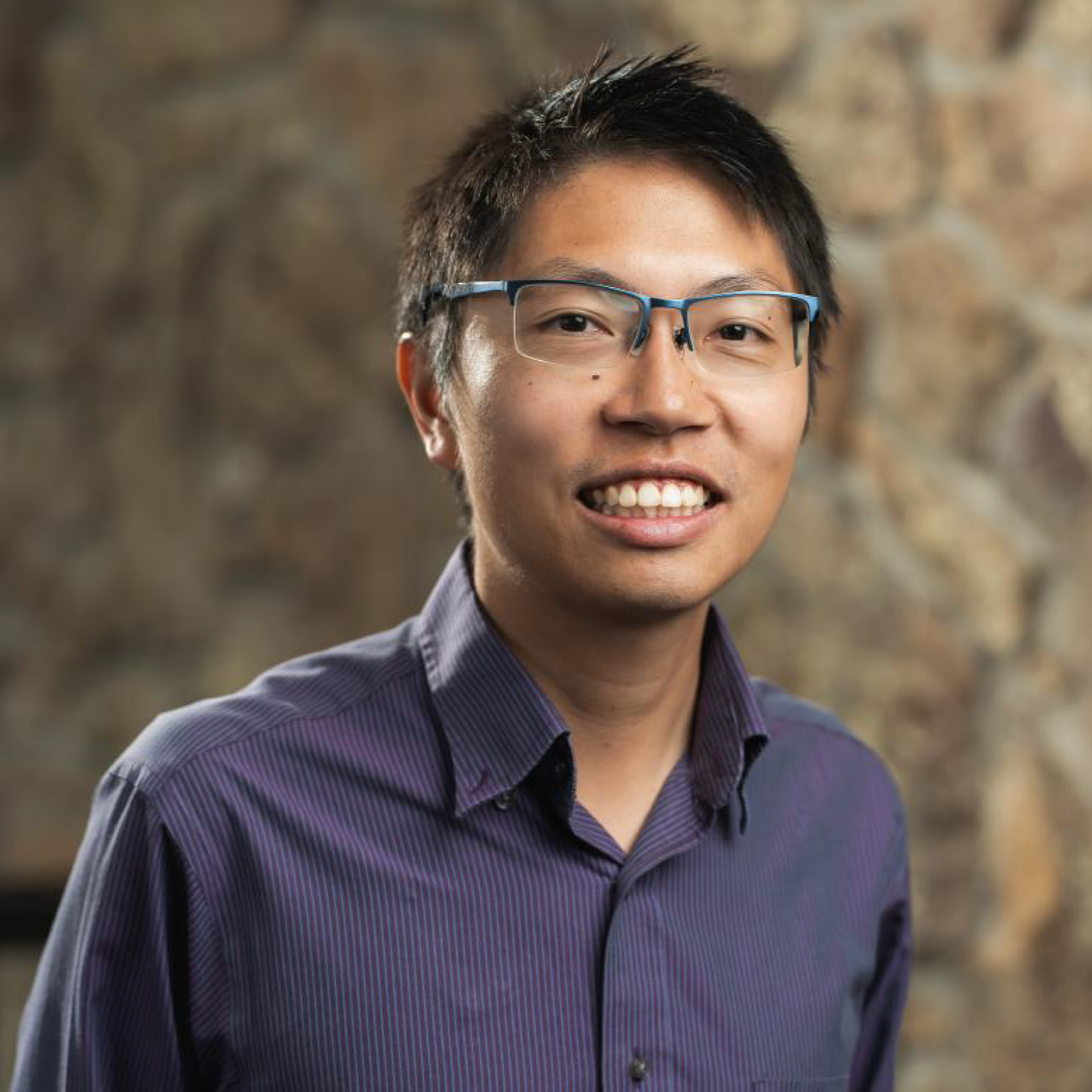
Kyle M. Loh, PhD
Stanford University School of Medicine, USA
ISSCR Early Career Impact Award Winner
-
Kyle Loh’s work identified lineage-specific progenitors and the signals that control cell fate decisions to developing methods to direct human pluripotent stem cells into highly purified cell types, particularly arterial and venous endothelial cells. His work advances understanding of human development and disease by enabling rapid generation of diverse cell types and applying these systems to study processes such as vascular biology, viral infection, and early brain development.
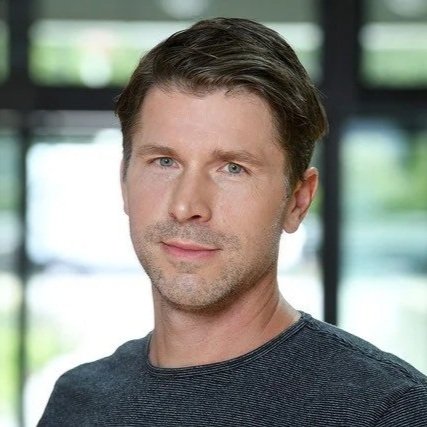
Alexander Meissner, PhD
Max Planck Institute for Molecular Genetics, Germany
ISSCR Momentum Award Winner
-
Alexander Meissner’s research focuses on understanding how cell identity is established, maintained, and reprogrammed through developmental and stem cell epigenetics. He has advanced the field by creating comprehensive transcriptional and epigenomic maps of pluripotent stem cells, developing the widely adopted “ScoreCard” assay, and elucidating chromatin remodeling and early regulatory dynamics during pluripotent cell specification.
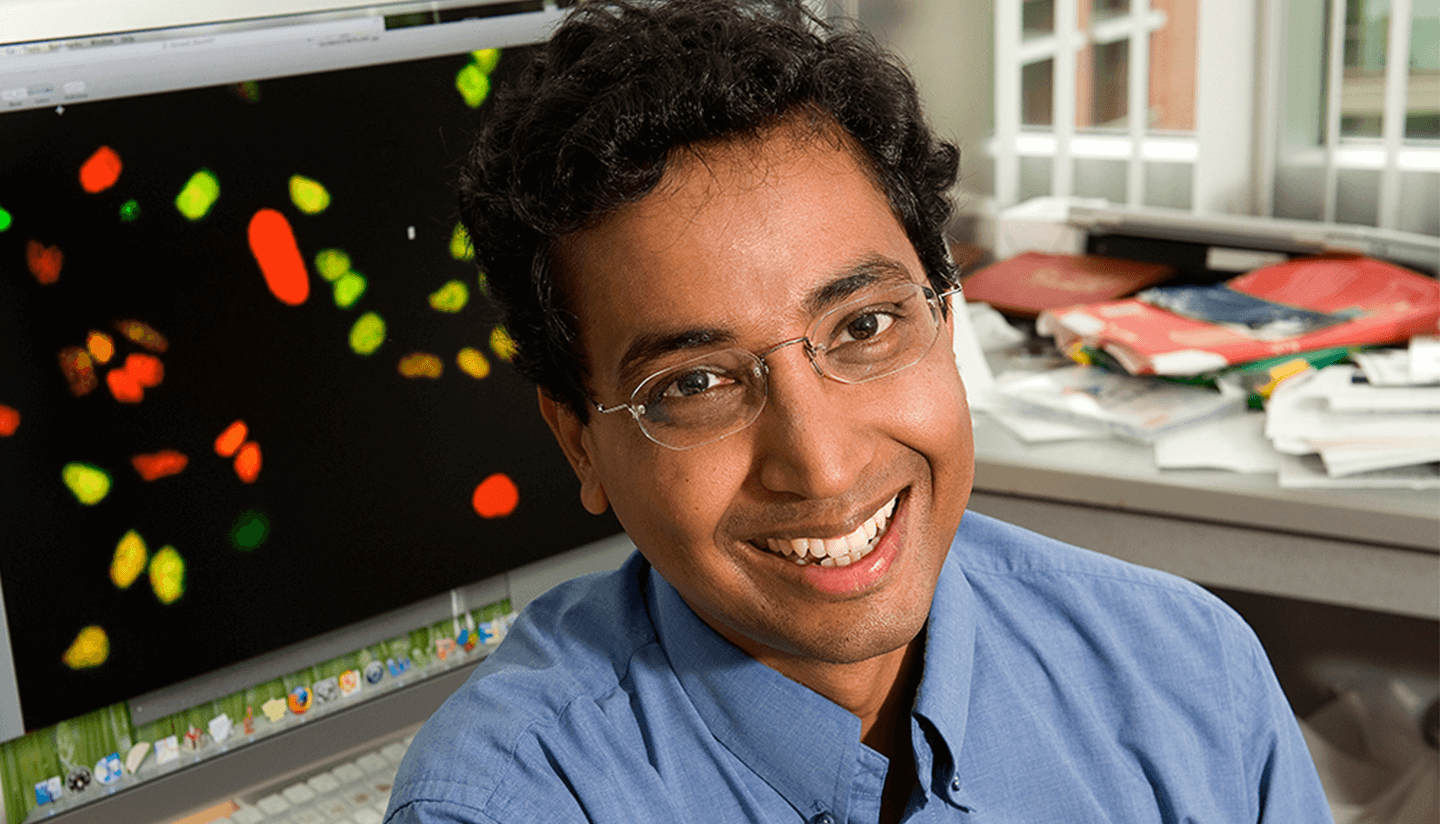
Sharad Ramanathan, PhD
Harvard University, USA
Presenting in Plenary II: Modeling Early Development
-
Sharad Ramanathan develops advanced gastruloid and stem cell–based models to study self-organization and pattern formation during early embryonic development. His work integrates quantitative experiments and theory to uncover the signaling and physical principles governing axis formation and tissue organization.
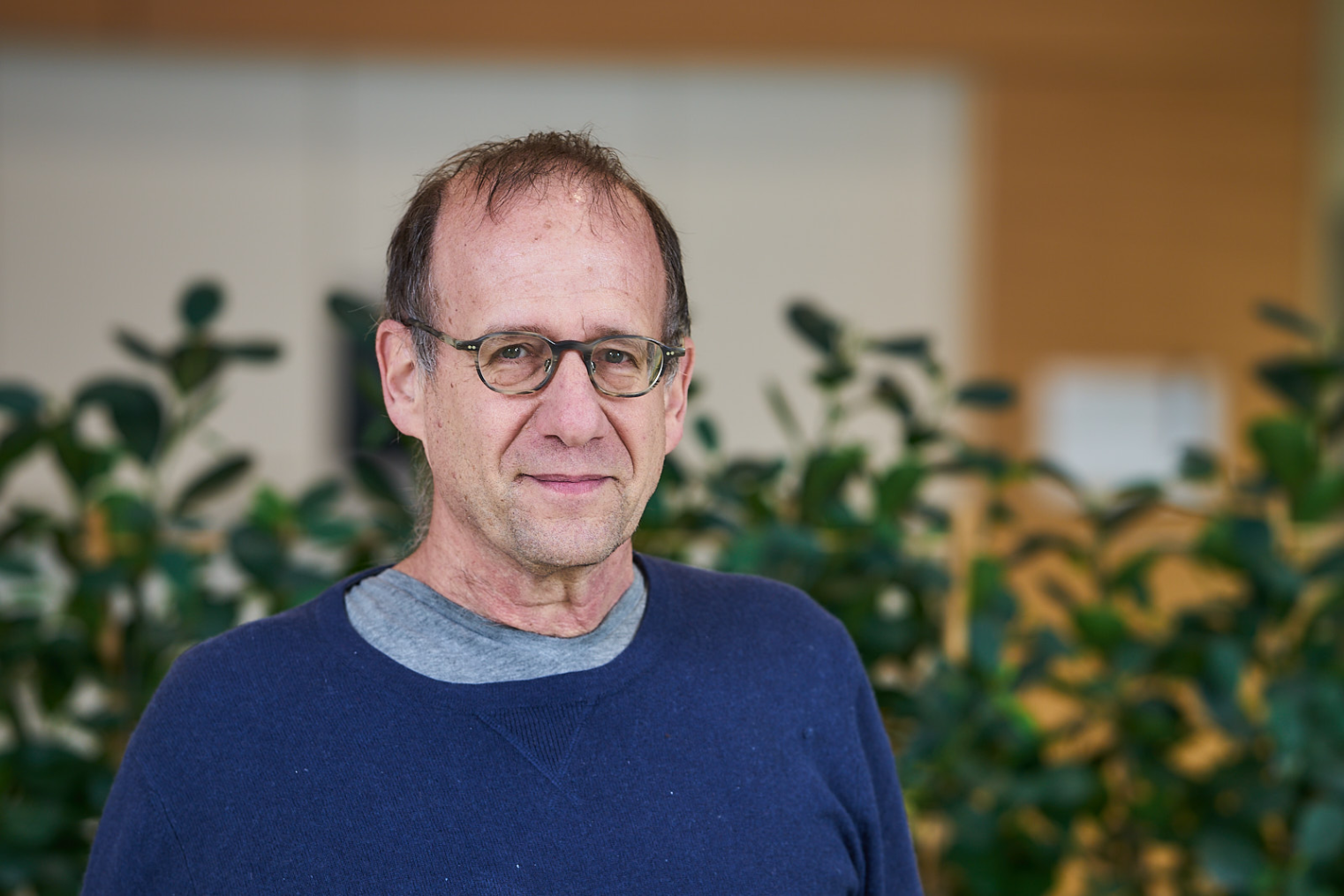
Erez Raz, PhD
Muenster University, Germany
Presenting in Germline Development and Maintenance
-
Erez Raz studies primordial germ cell specification and migration using zebrafish as a model organism. His work has uncovered molecular and cellular mechanisms that guide germ cell development, fate specification and maintenance, and migration during early embryogenesis.
Ramkumar Sambasivan, PhD
-
Ramkumar Sambasivan studies the molecular and cellular mechanisms governing mammalian development and disease with a focus on mesoderm germ layer differentiation. His work applies stem cell-derived organoid models to uncover stem cell lineage specification and dynamics to provide insight into mesoderm formation and positioning along the head-tail body axis during development.

Ina Sonnen, PhD
Hubrecht Institute, Netherlands
Presenting in Systemic and Metabolic Regulation of Development
-
Ina Sonnen studies signaling dynamics to uncover how cells communicate and coordinate during development and tissue regeneration. Her work applies model systems including gastruloids and blastoids to explore how molecular signaling pathways control cell fate, tissue patterning, homeostasis, and the role of signaling pathway disruption in disease
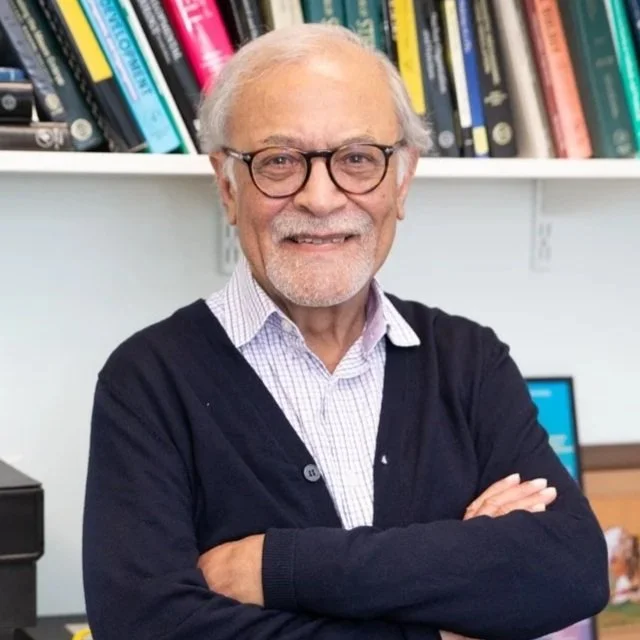
Azim Surani, FMedSci, FRS
-
Azim Surani is a pioneering developmental biologist best known for discovering genomic imprinting and elucidating parent-of-origin effects in mammalian development. His work has fundamentally shaped understanding of epigenetic regulation, germ cell development, and early embryogenesis, with lasting influence across developmental and stem cell biology.