
disease modeling and drug discovery
Register for ISSCR 2026 to discover the latest advances stem cell-based models for disease modeling and drug discovery, from organoid and engineered models to drug screening and evaluation, and AI-driven discovery.
Sonja Beken, PhD
Federal Agency for Medicines and Health Products, Belgium
Presenting in New Approach Methodologies
-
Sonja Beken's expertise spans regulatory science, non-clinical drug development, toxicology, and metabolism with a focus on how safety and efficacy are evaluated across all phases of therapeutic development. At the Belgian Federal Agency for Medicines and Health Products (FAMHP), she leads the assessment of non-clinical data supporting clinical trials, marketing authorizations, and scientific advice. Her work also focuses on alternative models to animal experiments.
Daniela Cornacchia, PhD
AstraZeneca, Sweden
Presenting in Precision Medicine and Drug Evaluation
-
Daniela Cornacchia leverages the power of Advanced Cell Models and NAMs for human-relevant drug development to improve predictivity of patient outcomes and ultimately deliver safer medicines to patients faster. As co-chair of the ISSCR Disease Models Consortium, she helps guide cross-sector efforts to standardize, validate, and advance stem cell–based disease models for research and therapeutic development.
Morgan Craig, PhD
Sainte-Justine University Hospital Azrieli Research Centre and Université de Montréal, Canada
Presenting in Biomanufacturing Stem Cell Therapies
-
Dr. Craig's Quantitative and Translational Medicine Laboratory applies computational biology approaches to study how heterogeneity impacts disease and treatment outcomes, developing predictive mechanistic models of cancer and viral respiratory diseases to identify pathophysiological mechanisms and tailor therapeutic regimens using in silico clinical trials and virtual patient cohorts. Her work combines delay differential equations and stochastic approaches to model the hematopoietic system in physiologically-complete ways, studying hematopoietic stem cell dynamics, clonal hematopoiesis, and optimization of treatments like granulocyte colony-stimulating factor therapy. Her research demonstrates how in silico clinical trials combine mechanistic disease modeling with computational strategies to rationalize pre-clinical and clinical studies and establish effective treatment strategies for complex diseases.
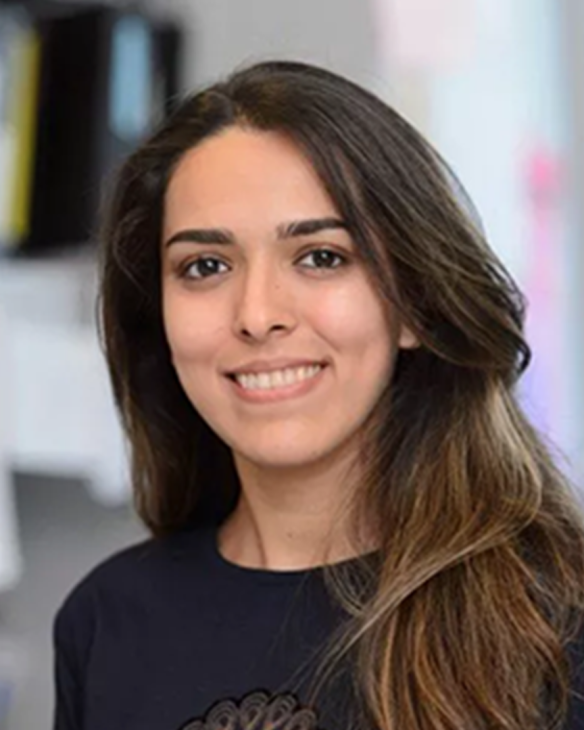
Faranak Fattahi, PhD
University of California, San Francisco, USA; ISSCR 2026 Early Career Impact Award Honorable Mention recipient
Presenting in Modeling Cellular Complexity for Tissue Therapies
-
The Fattahi laboratory develops human pluripotent stem cell-based models of the peripheral nervous system (PNS), including the enteric nervous system in health and disease. Her work provides insight into the developmental origins of gastrointestinal and neurodevelopmental disorders. Dr. Fattahi was recently recognized with an Honorable Mention distinction for the ISSCR 2026 Early Career Impact Award.
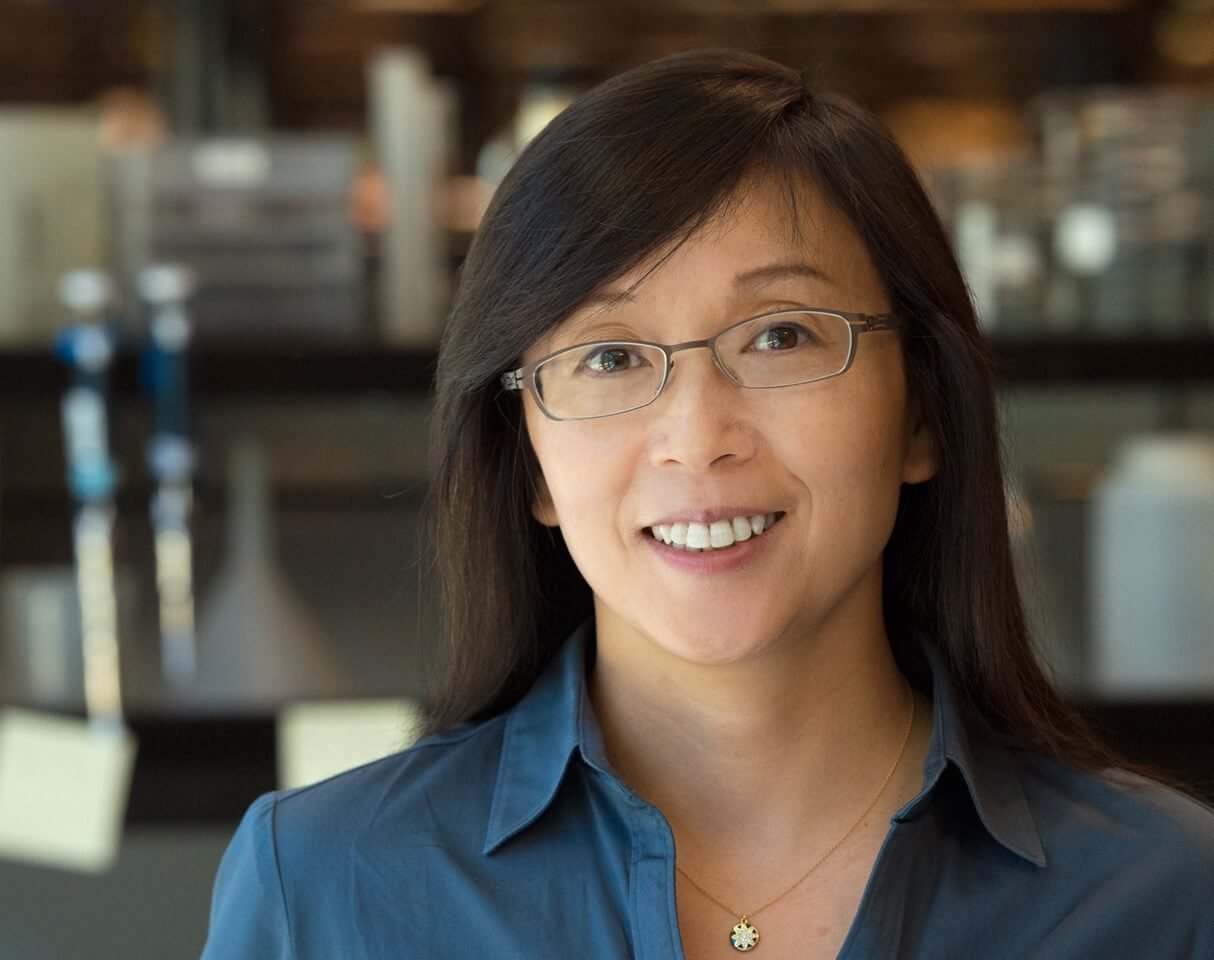
Li Gan, PhD
Weill Cornell Medical College, USA
Presenting in Aging Models and Age-Related Diseases
-
Li Gan develops stem cell–based models of Alzheimer’s disease that capture interactions among neurons, microglia, and astrocytes, including advanced triculture systems. Her work uses human iPSC models to dissect cell-type–specific contributions to neurodegeneration and inflammation.
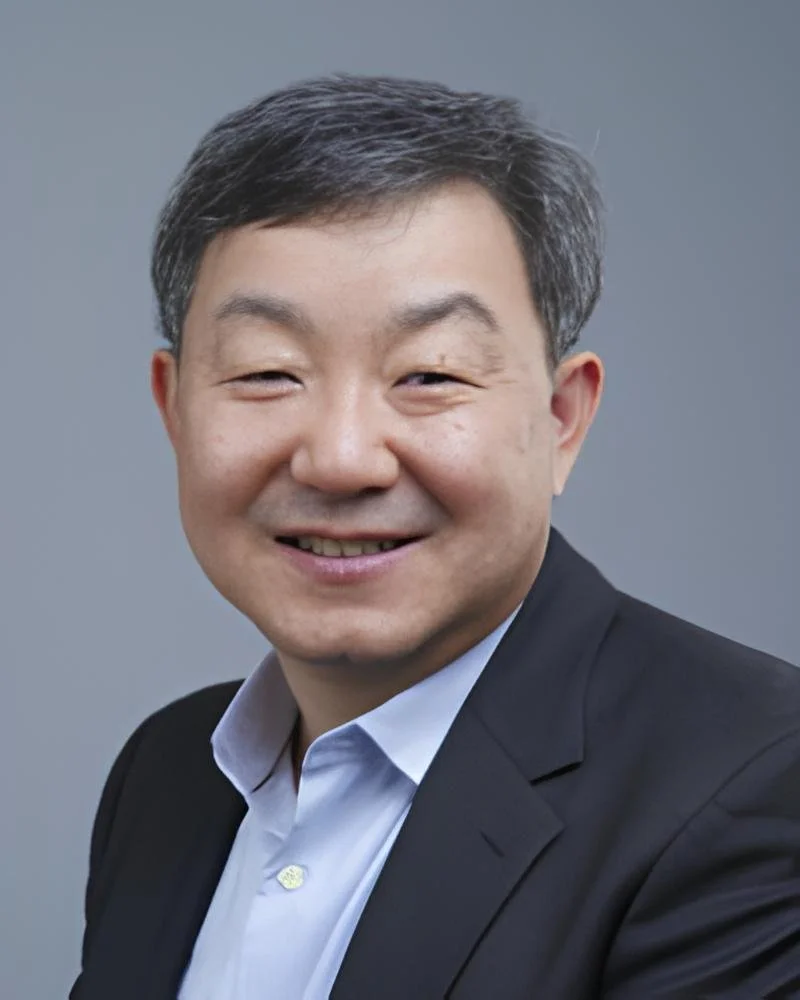
Noo Li Jeon, PhD
Seoul National University, Korea
Presenting in Tissue and Organoid Engineering Session
-
Noo Li Jeon is a bioengineer known for pioneering microfluidic platforms to study cell–cell communication and tissue organization. His work applies organ-on-chip and microphysiological systems to model vascular, neural, and multi-organ interactions in controlled in vitro environments.
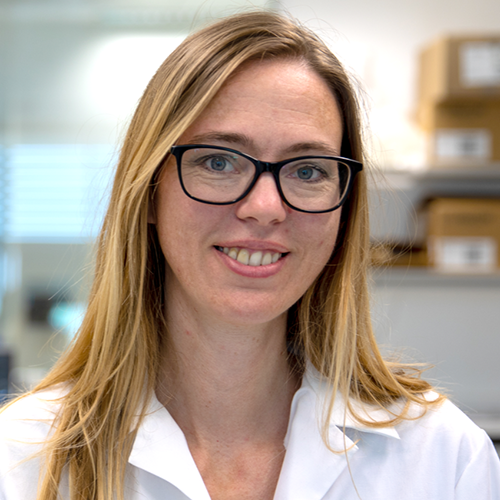
Madeline Lancaster, PhD
Medical Research Council (MRC), UK
Presenting in Plenary I: Presidential Symposium
-
Madeline Lancaster is a founder of human brain organoid technology, transforming disease modeling and evolutionary neuroscience. Her innovations have made it possible to dissect disease mechanisms, evolutionary divergence, and cognitive function in vitro, revolutionizing experimental neuroscience.
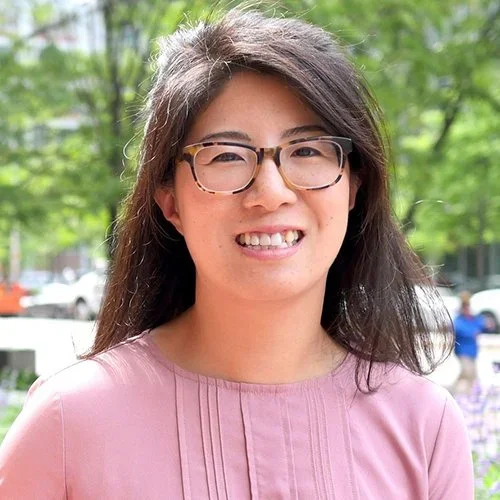
Pulin Li, PhD
-
Dr. Li's lab studies how genetic circuits in individual cells enable cell-cell communication and multicellular functions, focusing particularly on how cells organize into spatial patterns within tissues. Using synthetic biology tools and mathematical modeling, her team rebuilds morphogen signaling patterns in vitro to discover how signals spread through tissues and guide development, with current focus on patterning of the embryonic and adult lung. Her lab combines approaches from synthetic biology, developmental biology, biophysics, and systems biology, and is working to improve organoid development by engineering stromal tissues that provide supportive functions.
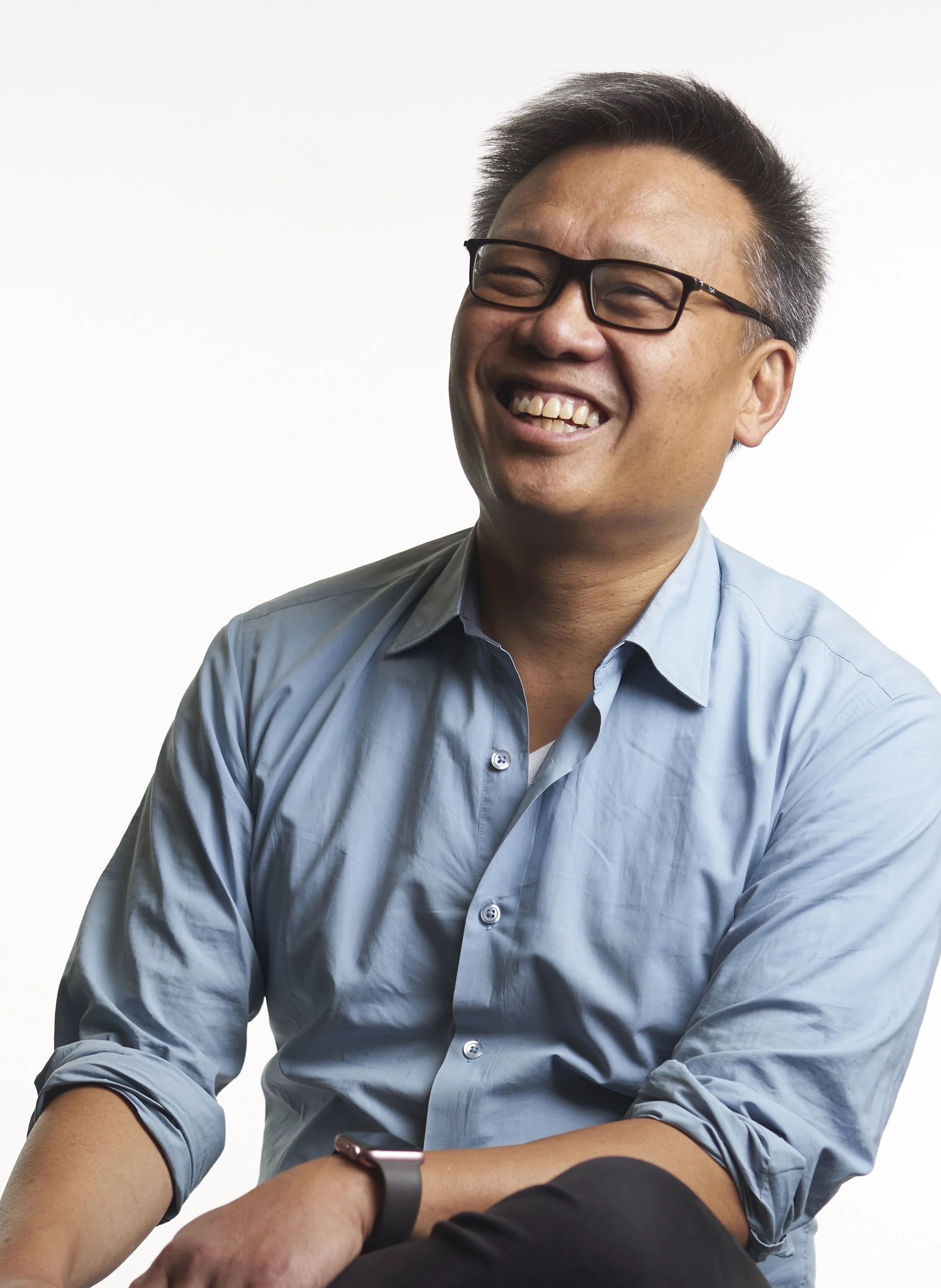
Wendell A. Lim, PhD
-
Dr. Lim's research focuses on understanding how genetically encoded molecular programs yield complex cellular behaviors, studying mechanisms of cell signaling and how cells sense their environment and process information to make functional decisions. His lab uses synthetic biology to rewire cellular signaling pathways and networks, engineering novel receptors and therapeutic immune cells programmed to recognize and treat disease. The lab has pioneered optogenetic approaches to control intracellular signaling dynamics and is developing synthetic cell-cell communication systems to understand multicellular spatial self-organization and emergent behaviors.
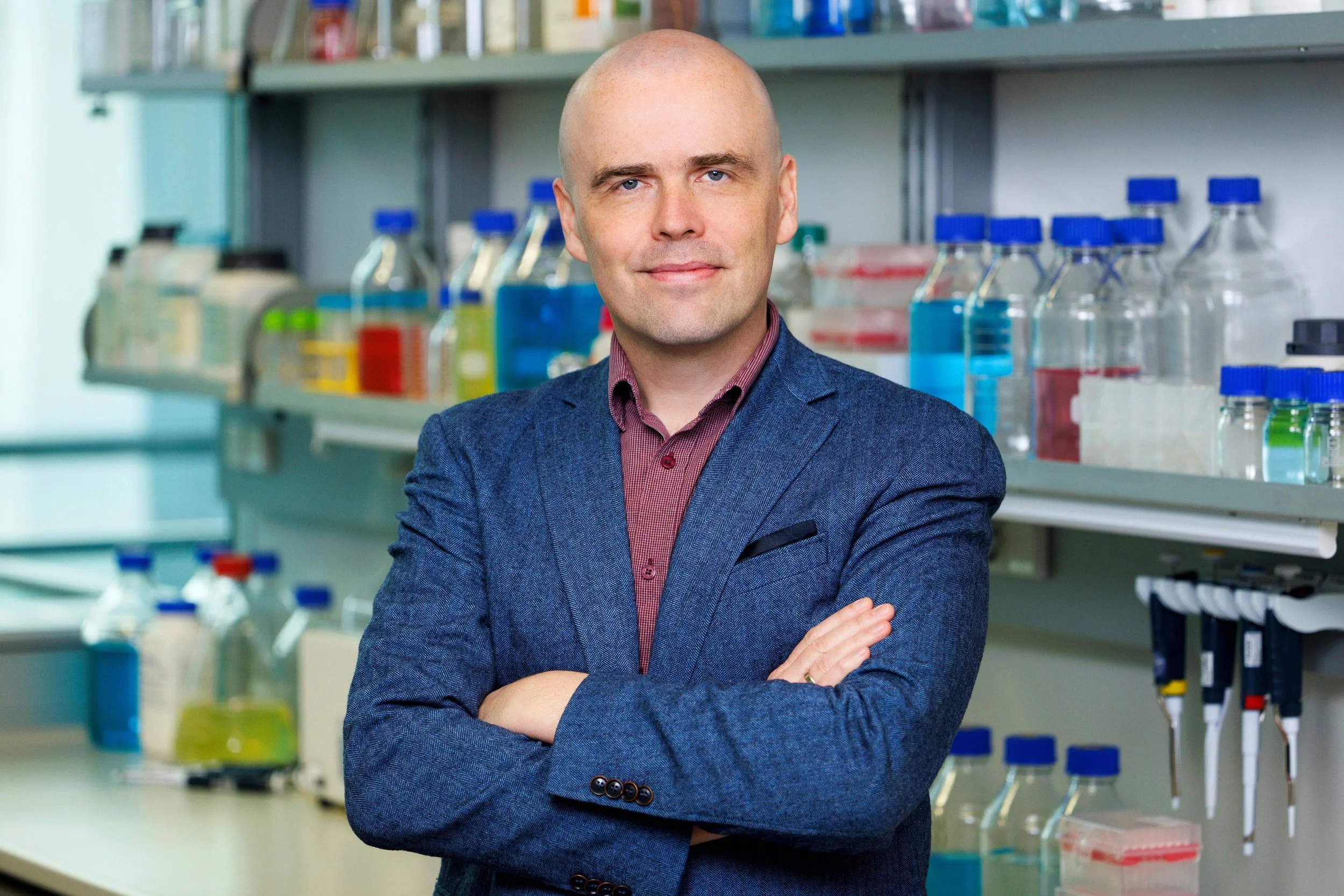
Sasha Mendjan, PhD
Institute of Molecular Biotechnology, IMBA, Austria
Presenting in Advanced Organoid Models
-
Sasha Mendjan is a stem cell biologist known for developing human heart organoid and multi-lineage cardiac models. His work uses pluripotent stem cells to study early human cardiogenesis and tissue–tissue interactions, providing mechanistic insight into heart development and disease.
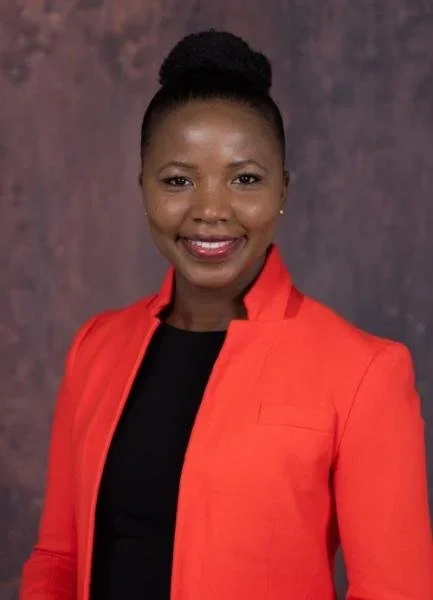
Samira Musah, PhD
Duke University, USA
Presenting in Advanced Organoid Models
-
Samira Musah integrates stem cell biology, biophysics, and microengineering to model human kidney function. Her work develops kidney organoid and microphysiological systems (organ-on-chip platforms) that capture mechanical and biochemical cues, enabling more physiologically relevant studies of renal development, disease, and developing new therapeutic strategies.
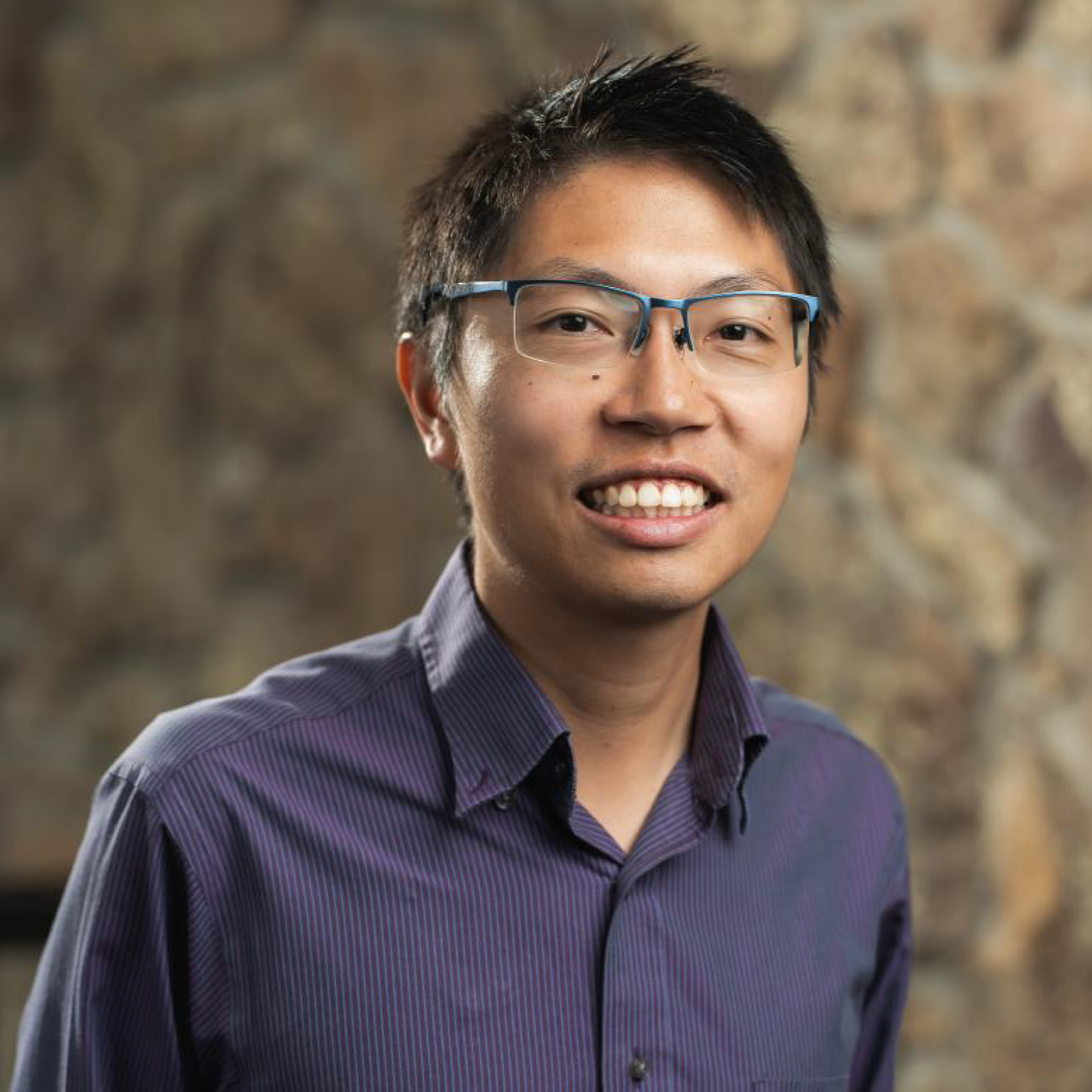
Kyle M. Loh, PhD
Stanford University School of Medicine,USA
ISSCR Early Career Impact Award Winner
-
Kyle Loh’s work identified lineage-specific progenitors and the signals that control cell fate decisions to developing methods to direct human pluripotent stem cells into highly purified cell types, particularly arterial and venous endothelial cells. His work advances understanding of human development and disease by enabling rapid generation of diverse cell types and applying these systems to study processes such as vascular biology, viral infection, and early brain development.

Josef Penninger, MD
Helmholtz Centre for Infection Research, Germany and The University of British Columbia, Canada
Presenting in Tissue and Organoid Engineering
-
Dr. Penninger developed the first self-organizing three-dimensional human blood vessel organoids from pluripotent stem cells, which contain endothelial cells and pericytes that self-assemble into capillary networks enveloped by a basement membrane. These blood vessel organoids transplanted into mice form stable, perfused vascular trees including arteries, arterioles and venules, and have been used to model diabetic vasculopathy. His lab has developed microfluidic platforms to vascularize biological tissues on-chip, enabling long-term culture of three-dimensional organoids and enhancing their growth, maturation, and function.
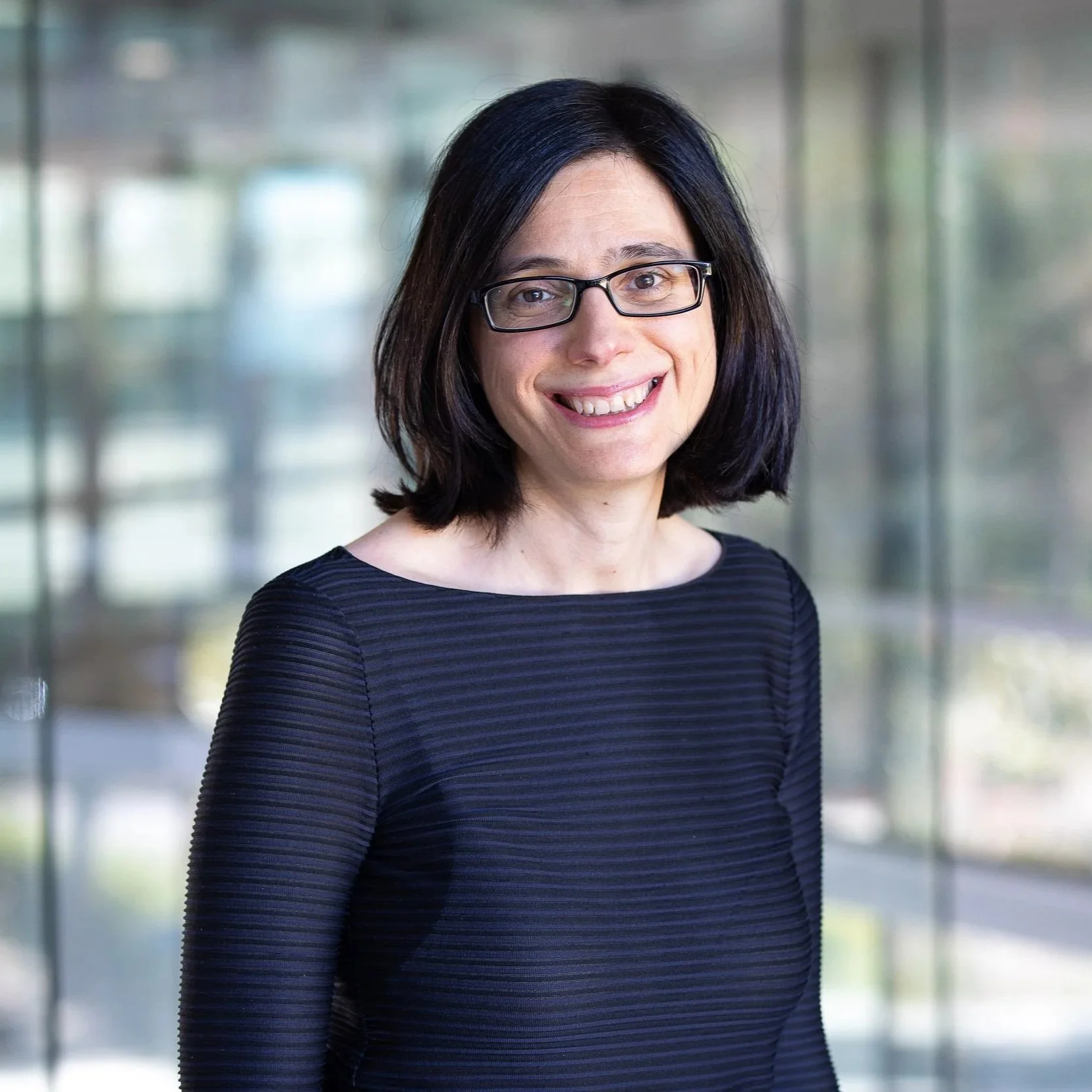
Aviv Regev, PhD
Genentech, USA
Keynote speaker in Plenary III: Tissue Stem Cells in Physiology and Disease
-
Aviv Regev is a pioneer in applying computational and AI-driven approaches to understand cell identity and tissue organization. She was a founding leader of the Human Cell Atlas and her work integrates large-scale single-cell data, machine learning, and systems biology to map human biology and disease at cellular resolution.
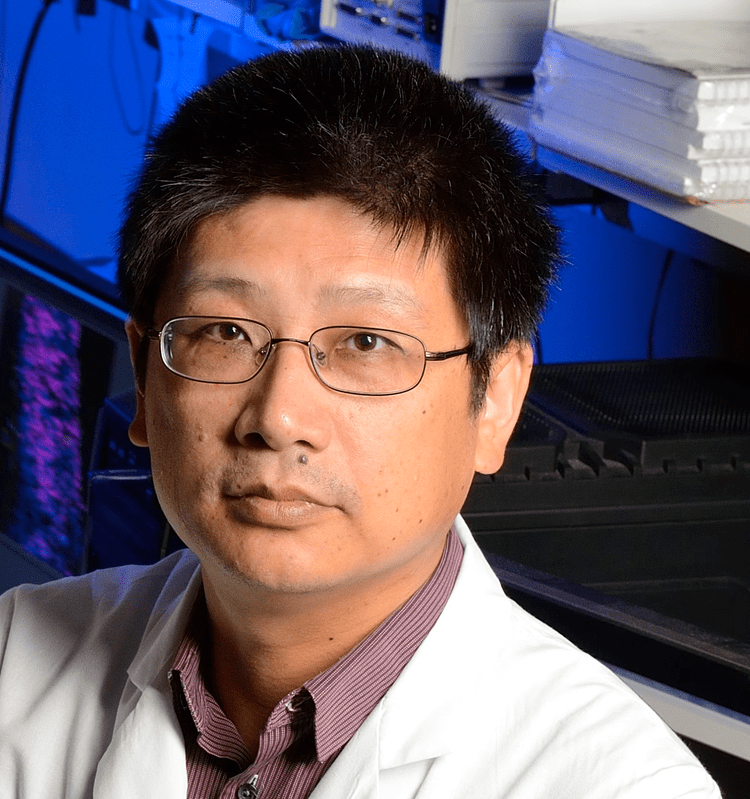
Hongjun Song, PhD
University of Pennsylvania, USA
Presenting in Precision Medicine and Drug Evaluation
-
Hongjun Song is a highly influential neuroscientist known for foundational work on adult neurogenesis and neural circuit plasticity. His research has expanded into human neural organoids and stem cell–based models to study brain development and disease, alongside translational efforts spanning cancer organoids and engineered cell therapies.
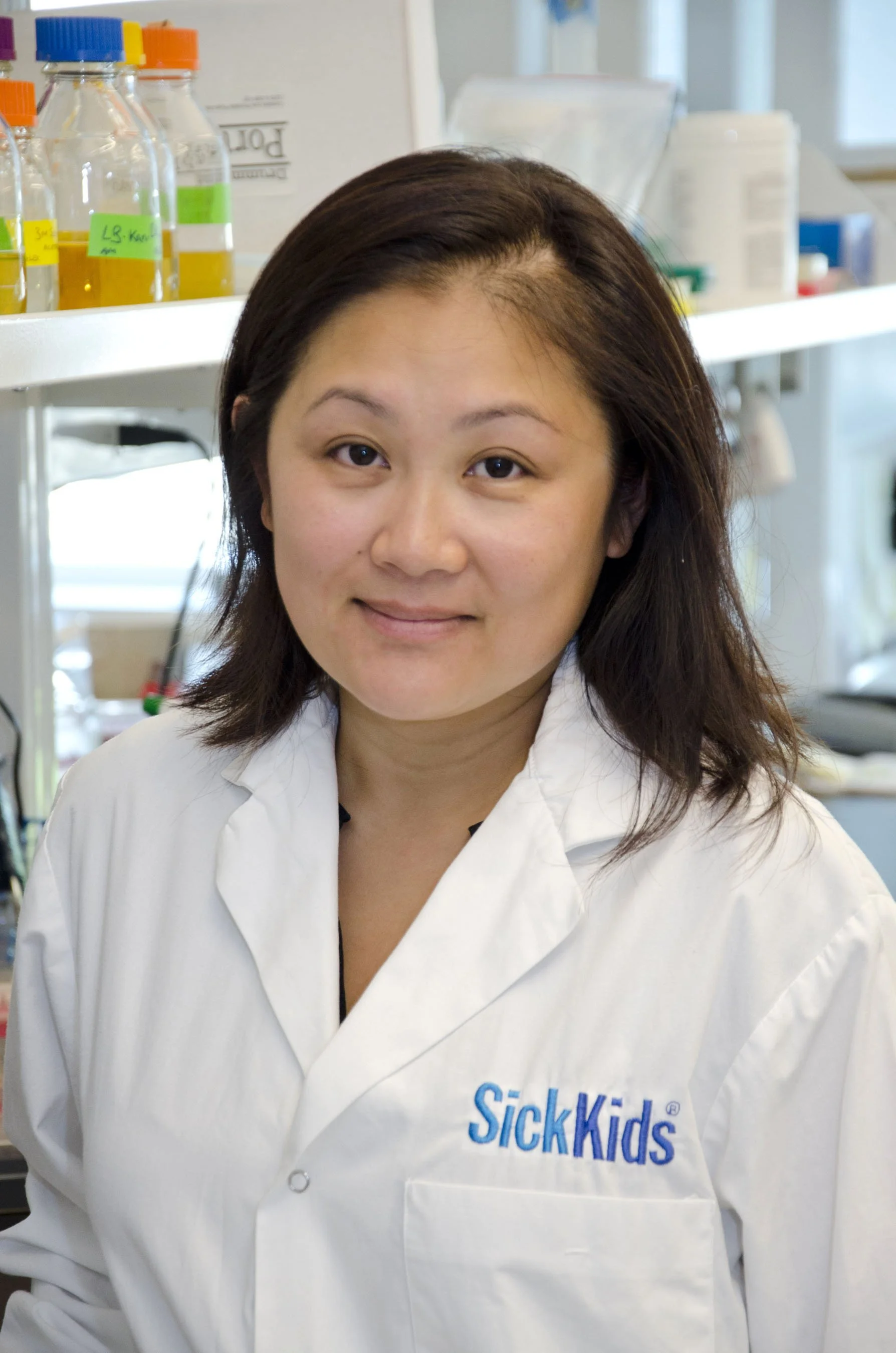
Amy Wong, PhD
The Hospital for Sick Children, Canada
Presenting in Plenary III: Tissue Stem Cells in Physiology and Disease
-
Amy Wong develops engineered human lung tissue models to study pulmonary disease, with a particular focus on cystic fibrosis. Her work combines stem cell biology and bioengineering to create physiologically relevant platforms for disease modeling and therapeutic testing, alongside service as an early-career editor for Stem Cell Reports.
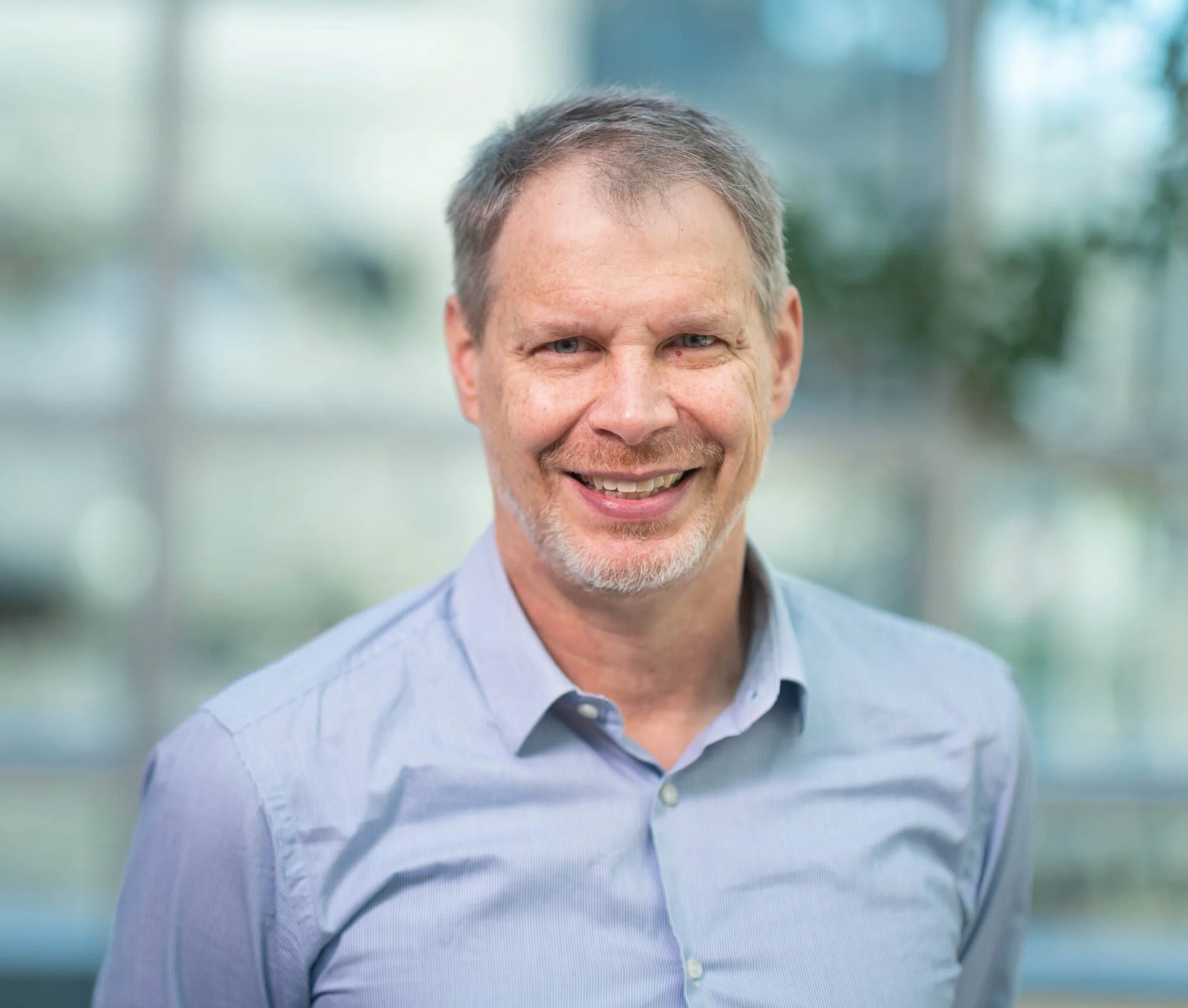
Peter Zandstra, PhD, FRSC, PEng
The University of British Columbia, Canada
Presenting in Engineering Cell Fate in Biological Systems
-
Dr. Zandstra's lab studies how individual cells form complex tissues and organs, focusing on multiscale interactions between cells and the influence of these interactions on internal regulatory control networks and the external microenvironment that shapes cell fate and functional tissue development. His team has developed hydrogel-based systems that provide serum-free, feeder-free thymic-like niches for hematopoietic stem cells to develop into T cells, creating the first feeder-free serum-free 3D system for T cell generation from pluripotent stem cell-derived cells. His research focuses on understanding how functional tissue forms from stem cells and applying this to design novel therapeutic technologies based on living cells, with particular focus on blood cell forming systems and biomanufacturing.