
bioengineering
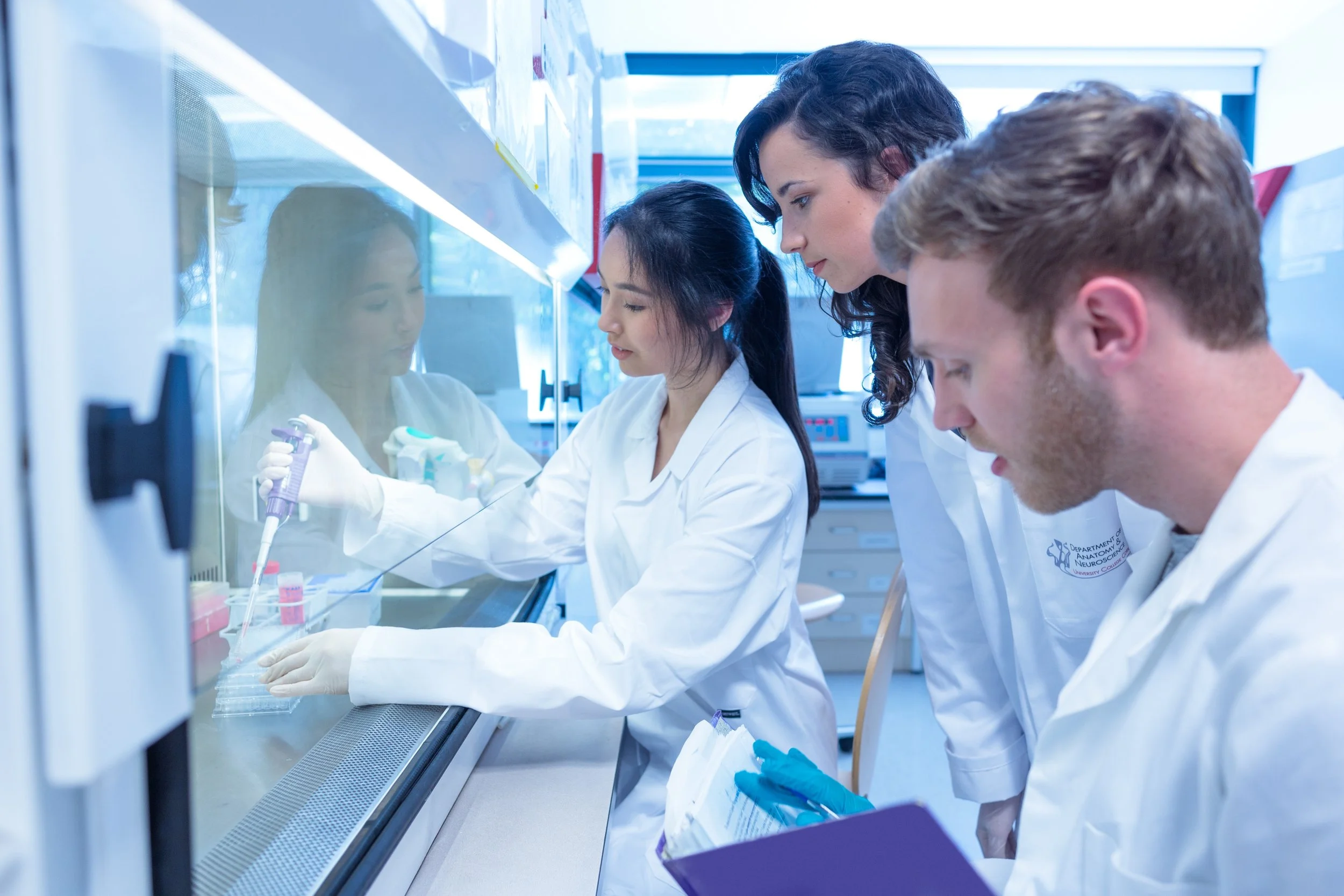
From developing new tools to deploying these technologies to address fundamental biological questions, bioengineering is accelerating our understanding of stem cells and their applications to human health. Attend ISSCR 2026 to hear speakers explore the latest bioengineering advances driving stem cell research to new frontiers. Topics will span tissue and genetic engineering, 3D bioprinting, synthetic biology, organs-on-a-chip and microfluidics, and more.
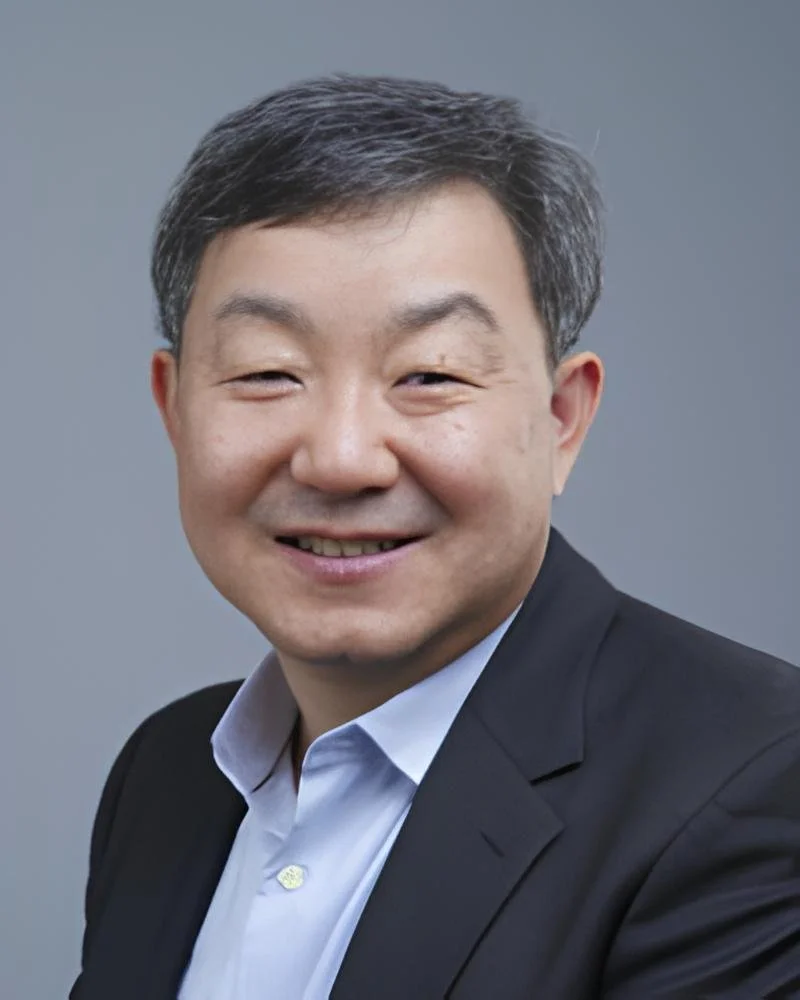
Noo Li Jeon, PhD
Seoul National University, Korea
Presenting in Tissue and Organoid Engineering Session
-
Noo Li Jeon is a bioengineer known for pioneering microfluidic platforms to study cell–cell communication and tissue organization. His work applies organ-on-chip and microphysiological systems to model vascular, neural, and multi-organ interactions in controlled in vitro environments.
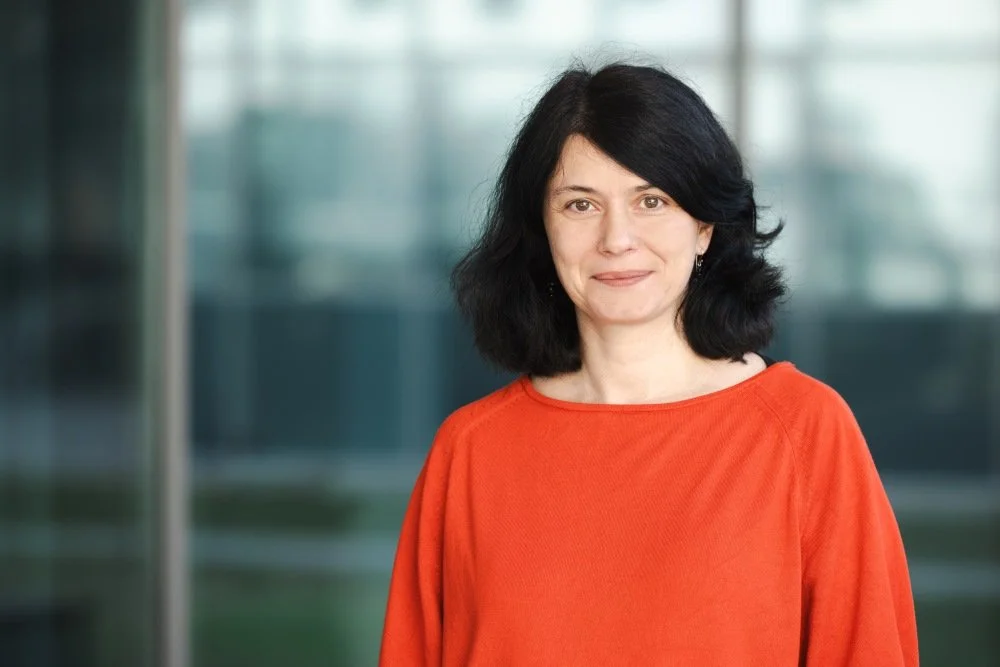
Anna Kicheva, PhD
Institute of Science and Technology Austria, Austria
Presenting in Tracking Cell Fate in Biological Systems
-
Dr. Kicheva studies how tissue growth and pattern formation are coordinated during vertebrate development, focusing on the vertebrate neural tube as a model system. Her research investigates how signaling molecules called morphogens spread to form concentration gradients that control both cell fate specification and tissue growth. Using quantitative approaches combining single-cell resolution measurements, genome editing techniques, and computational modeling, her lab addresses fundamental questions about how multiple morphogen signals are integrated to control pattern reproducibility and cell cycle dynamics.
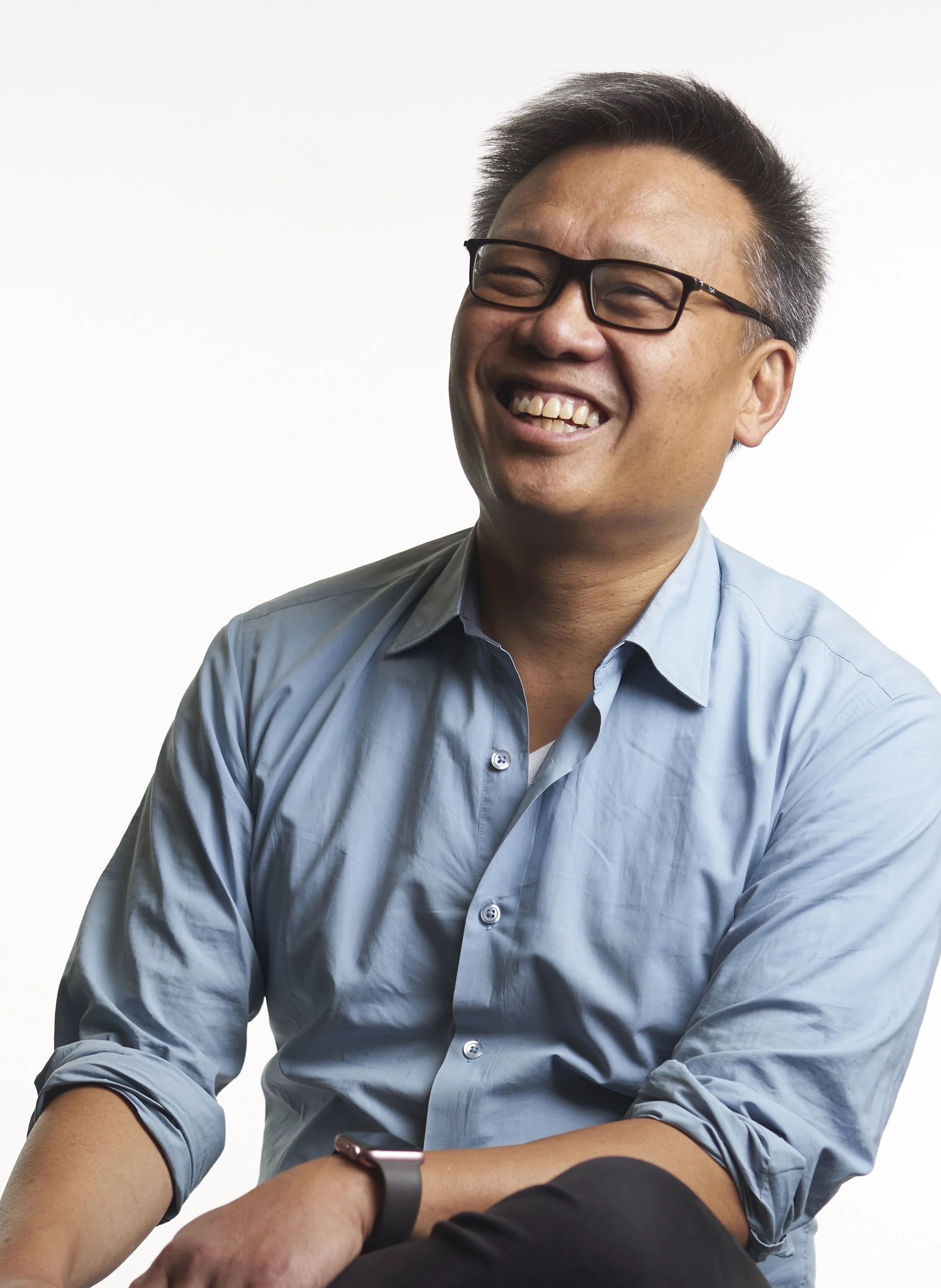
Wendell A. Lim, PhD
-
Dr. Lim's research focuses on understanding how genetically encoded molecular programs yield complex cellular behaviors, studying mechanisms of cell signaling and how cells sense their environment and process information to make functional decisions. His lab uses synthetic biology to rewire cellular signaling pathways and networks, engineering novel receptors and therapeutic immune cells programmed to recognize and treat disease. The lab has pioneered optogenetic approaches to control intracellular signaling dynamics and is developing synthetic cell-cell communication systems to understand multicellular spatial self-organization and emergent behaviors.
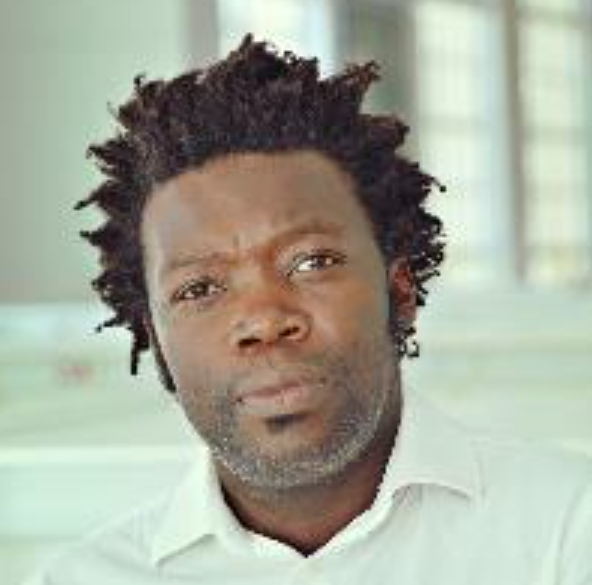
Musa M. Mhlanga, PhD
Radboud Institute for Molecular Lifesciences (RiMLS), Netherlands
Presenting in Transcriptional Regulation of Somatic Stem Cells
-
Musa M. Mhlanga studies gene regulation through single-cell and single-molecule biology using advanced single-molecule and super-resolution imaging techniques. His research explores nuclear architecture and the interplay between gene expression and coding and noncoding RNA. His laboratory investigates the epigenome and the role of noncoding RNA in genomic architecture and gene regulation, integrating single-cell genomics, spatial transcriptomics, and multi-omics microscopy approaches in translational immune system models.
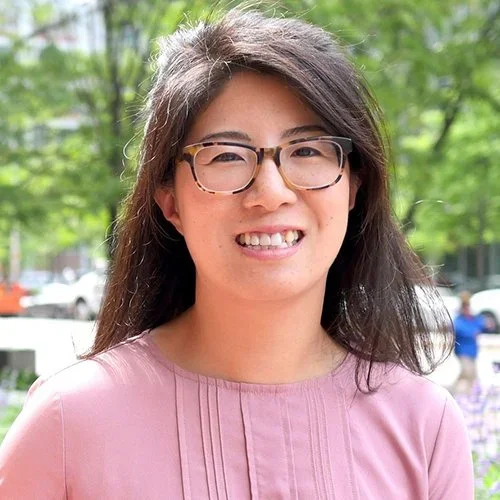
Pulin Li, PhD
-
Dr. Li's lab studies how genetic circuits in individual cells enable cell-cell communication and multicellular functions, focusing particularly on how cells organize into spatial patterns within tissues. Using synthetic biology tools and mathematical modeling, her team rebuilds morphogen signaling patterns in vitro to discover how signals spread through tissues and guide development, with current focus on patterning of the embryonic and adult lung. Her lab combines approaches from synthetic biology, developmental biology, biophysics, and systems biology, and is working to improve organoid development by engineering stromal tissues that provide supportive functions.
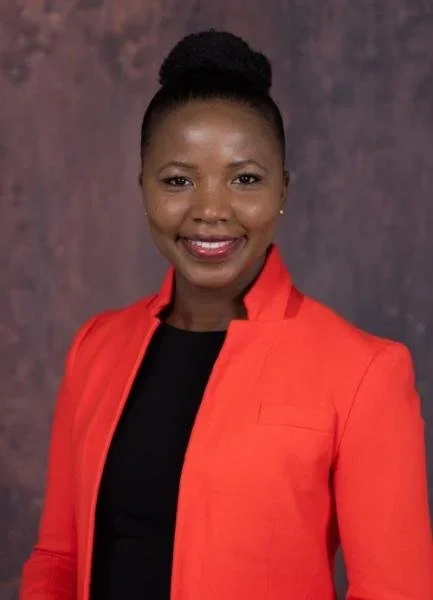
Samira Musah, PhD
Duke University, USA
Presenting in Advanced Organoid Models
-
Samira Musah integrates stem cell biology, biophysics, and microengineering to model human kidney function. Her work develops kidney organoid and microphysiological systems (organ-on-chip platforms) that capture mechanical and biochemical cues, enabling more physiologically relevant studies of renal development, disease, and developing new therapeutic strategies.
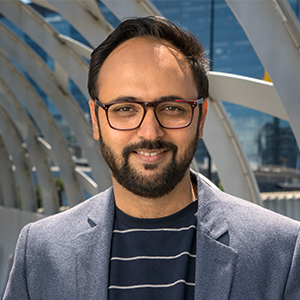
Shalin H. Naik, PhD
WEHI, Australia
Presenting in Plenary V: Technologies to Understand and Engineer Stem Cell Systems
-
Shalin Naik applies single-cell genomics to dissect immune cell diversity, development, and function. He is particularly known for developing and sharing new experimental and analytical tools that enable other researchers to more precisely interrogate immune systems at cellular resolution.
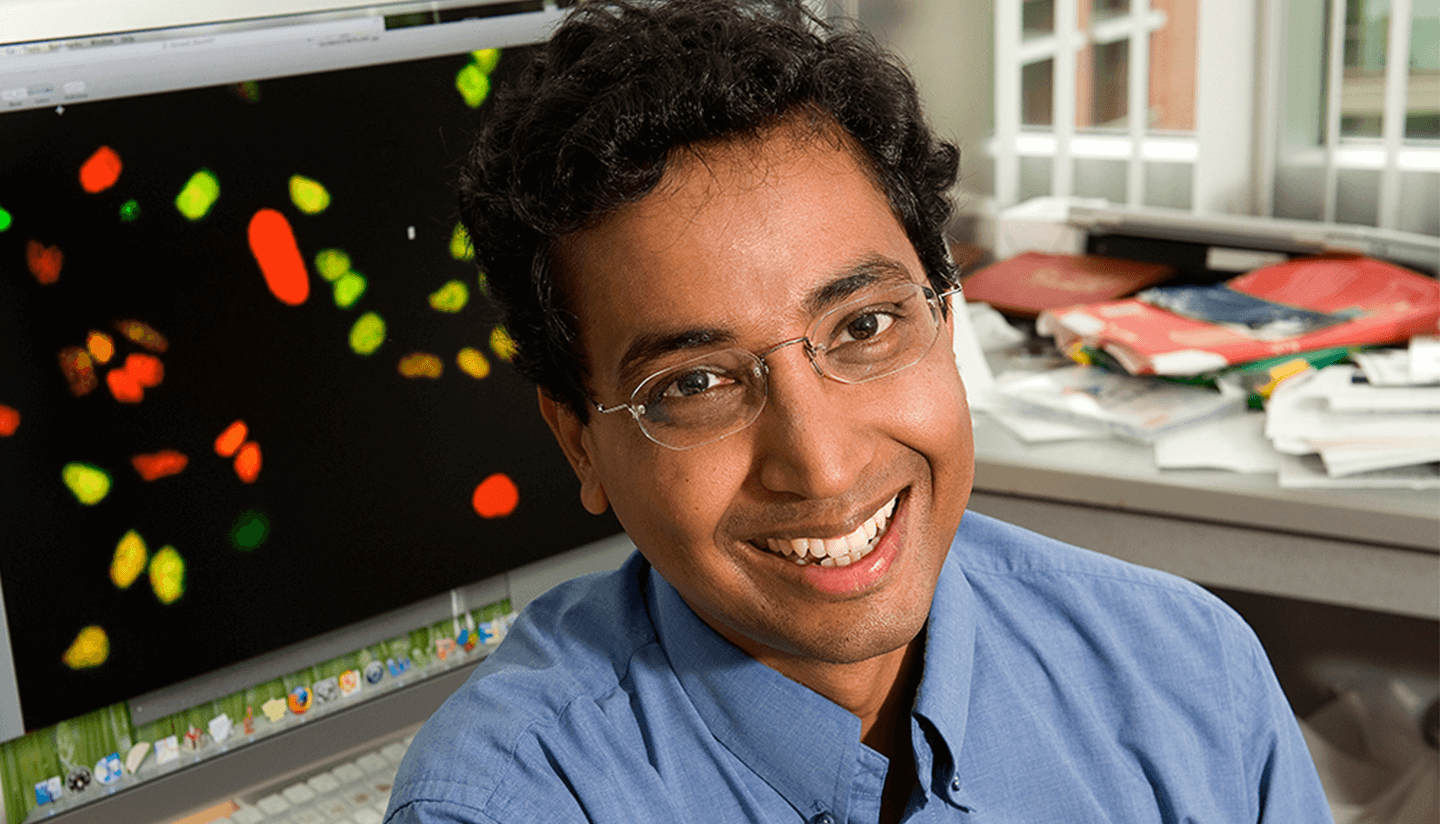
Sharad Ramanathan, PhD
Harvard University, USA
Presenting in Plenary II: Modeling Early Development
-
Sharad Ramanathan develops advanced gastruloid and stem cell–based models to study self-organization and pattern formation during early embryonic development. His work integrates quantitative experiments and theory to uncover the signaling and physical principles governing axis formation and tissue organization.
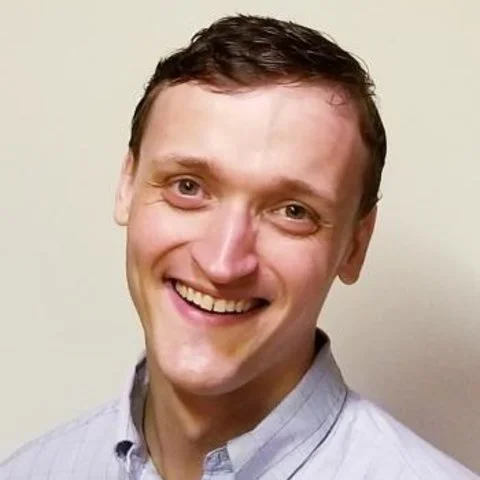
Mark Skylar-Scott, PhD
Stanford University, USA
Presenting in Biomanufacturing Stem Cell Therapies
-
Dr. Skylar-Scott's lab develops integrative technologies combining stem cell engineering, 3D bioprinting, and tissue vascularization to address cardiac tissue engineering at whole-organ scale. His lab has pioneered methods for bioprinting organ building blocks composed of multicellular spheroids and organoids, developing wholly-cellular bioinks for billion cell-scale organ engineering. The lab has demonstrated orthogonally induced differentiation of stem cells to generate patterned vascularized tissues and cortical organoids, bioprinting human induced pluripotent stem cell inks without extracellular matrix to generate layered neural tissues.
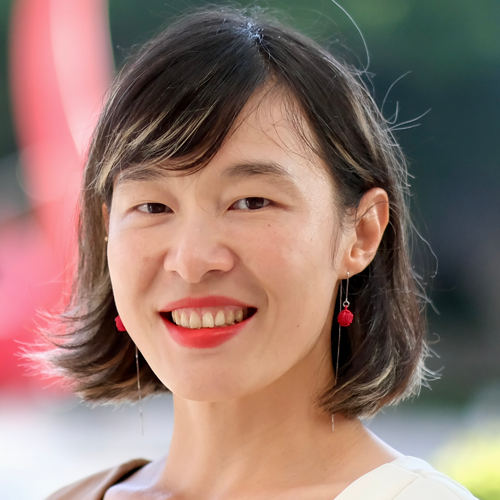
Angela Ruohao Wu, PhD
The Hong Kong University of Science and Technology, Hong Kong, China
Presenting in Plenary V: Technologies to Understand and Engineer Stem Cell Systems
-
Angela Wu develops microfluidic and organ-on-chip platforms to model human tissues and physiological systems. Her work integrates engineering and stem cell biology to create controllable, scalable in vitro models for studying development, disease mechanisms, and therapeutic responses.
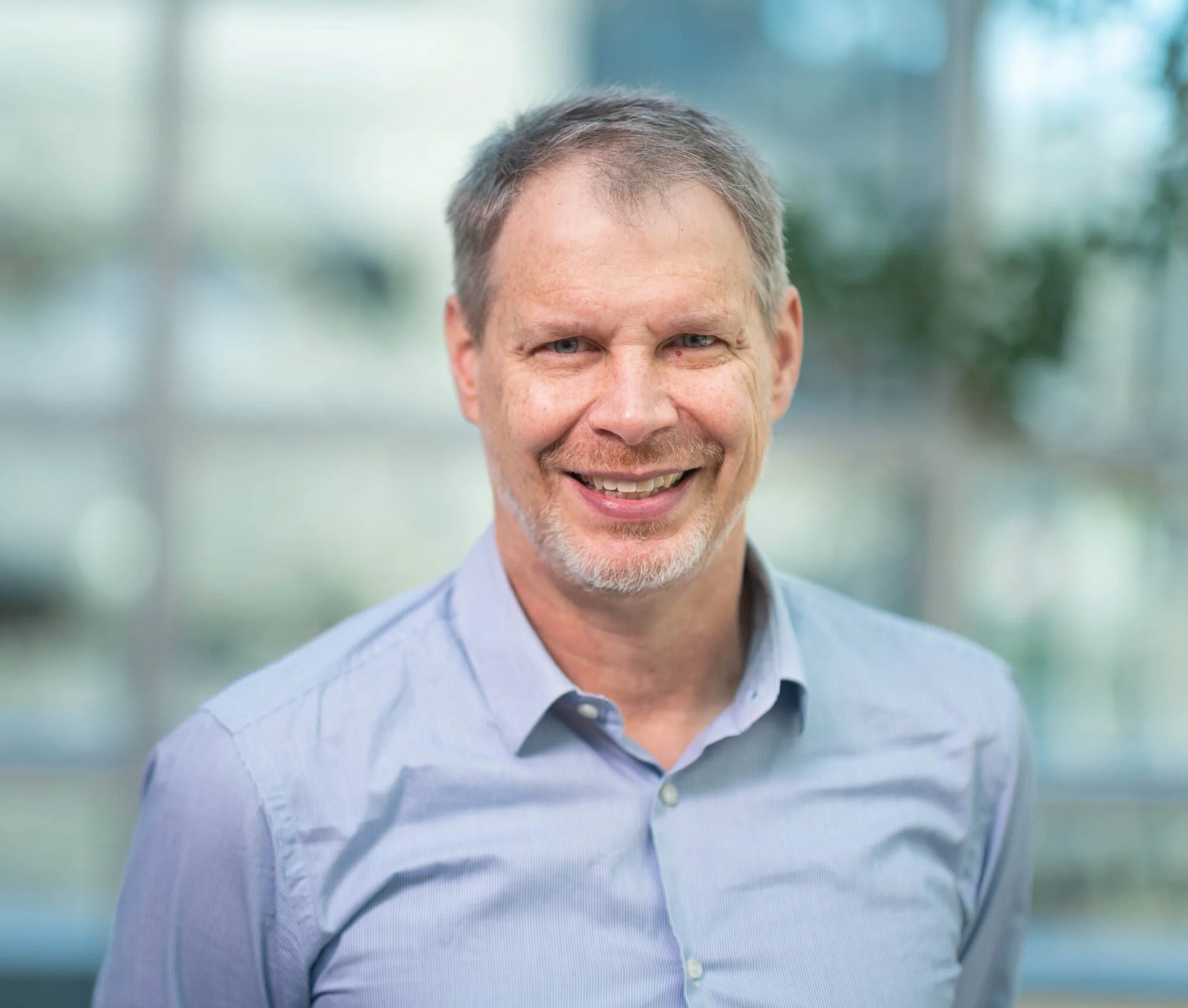
Peter Zandstra, PhD, FRSC, PEng
The University of British Columbia, Canada
Presenting in Engineering Cell Fate in Biological Systems
-
Dr. Zandstra's lab studies how individual cells form complex tissues and organs, focusing on multiscale interactions between cells and the influence of these interactions on internal regulatory control networks and the external microenvironment that shapes cell fate and functional tissue development. His team has developed hydrogel-based systems that provide serum-free, feeder-free thymic-like niches for hematopoietic stem cells to develop into T cells, creating the first feeder-free serum-free 3D system for T cell generation from pluripotent stem cell-derived cells. His research focuses on understanding how functional tissue forms from stem cells and applying this to design novel therapeutic technologies based on living cells, with particular focus on blood cell forming systems and biomanufacturing.
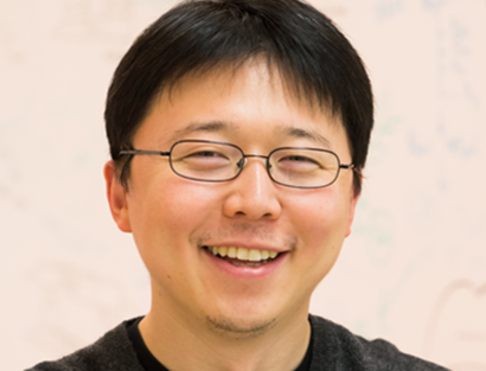
Feng Zhang, PhD
Broad Institute of MIT and Harvard, USA
Presenting in Plenary I: Presidential Symposium
-
Feng Zhang is the architect of CRISPR-based genome engineering and next-generation gene modulation platforms. His work is driving next-generation therapeutic modalities that integrate genetic modulation with stem-cell-based neural repair.